EN
EN

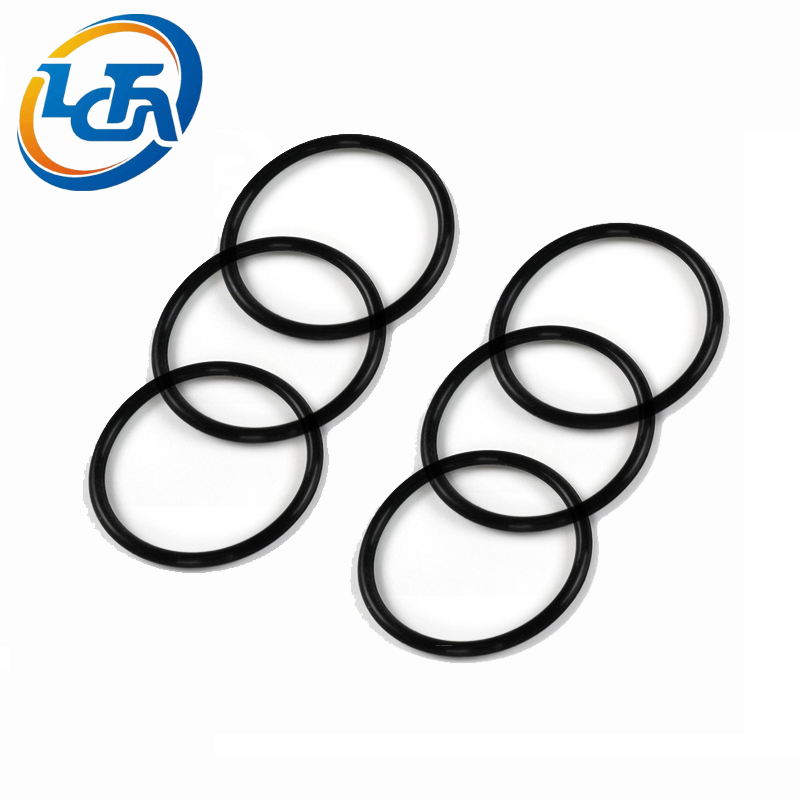
Bakit Mahalaga ang Tamang Pagtukoy sa Spesipikasyon para sa Pasadyang Silicone Gasket
Ang tamang pagtukoy sa spesipikasyon ng pasadyang silicone gasket ay isa sa pinakamahalagang hakbang upang matiyak ang epektibong pag-seal, haba ng buhay ng serbisyo, at katugmang pagkakabit. Maraming industriyal na gumagamit ang nakakaranas ng pagbubuga, pagbabago ng anyo, o maagang pagkabigo nang simpleng dahil sa hindi malinaw na tinukoy ang mga pangunahing parameter sa panahon ng pasadyang paggawa. Ang isang maayos na tinukoy na gasket ng silicone nagbibigay ng pare-parehong pag-seal sa ilalim ng nagbabagong temperatura, presyon, at pagkakalantad sa iba’t ibang media, kaya ito ay malawakang ginagamit sa automotive, electronics, medical equipment, home appliances, at marine systems. Ang paglaan ng oras upang tapusin ang mga detalye nang maaga ay nababawasan ang kailangang ulitin, pinikas ang lead time, at pinabubuti ang kabuuang katiyakan ng kagamitan.
Suriin ang Temperatura, Presyon, at Katugmang Media
Bago idisenyo ang iyong pasadyang silicone gasket, dapat mong suriin ang aktwal na kapaligiran sa pagpapatakbo. Ang silicone ay mahusay na gumaganap sa mga kondisyon ng mataas at mababang temperatura, ngunit ang eksaktong mga saklaw ng temperatura ang tumutukoy sa pagpili ng grado ng materyal. Dapat mong idokumento ang parehong temperatura ng patuloy na pagpapatakbo at panandaliang pinakamataas na temperatura. Mahalaga rin ang mga antas ng presyon: ang low-pressure static sealing ay nangangailangan ng iba't ibang suporta sa istruktura kaysa sa mga koneksyon ng high-pressure flange. Bilang karagdagan, tukuyin ang lahat ng likido o kemikal na madadaanan ng gasket—tubig, langis, singaw, tubig-alat, o mahinang kemikal. Ang pagtutugma ng mga kondisyon sa kapaligiran sa mga katangian ng materyal ay pumipigil sa pagtigas, pamamaga, o pagbibitak at nagpapahaba sa buhay ng iyong... gasket ng silicone .
Pumili ng Tamang Antas ng Materyal at Kawastuhan ng Silicone
Ang pagpili ng materyal ay direktang nagtatakda ng hangganan ng pagganap ng iyong pasadyang silicone gasket. Ang karaniwang silicone ay nag-aalok ng mabuting pangkalahatang layunin na pagse-seal, habang ang mga espesyal na grado ay kasama ang mataas na temperatura, food-grade, medical-grade, at mga pormula na may mababang compression-set. Sa LongchengSeal, nagbibigay kami ng buong pasadyang pag-unlad ng materyal upang tugunan ang mahigpit na pangangailangan ng industriya. Ang hardness ay isa pang mahalagang kadahilanan; karamihan sa mga silicone gasket ay nasa hanay na Shore A 40 hanggang 80. Ang mas malambot na mga grado ay mas mainam na sumasaklaw sa hindi pantay na mga ibabaw at nagpapabuti ng kakayahang mag-seal, samantalang ang mas matitigas na mga grado ay tumututol sa extrusion sa ilalim ng mataas na presyon. Ang balanseng pagitan ng hardness, torque ng pag-install, at flatness ng flange ay nagpapagarantiya ng optimal na pagse-seal nang walang pinsala.
Tukuyin ang Eksaktong Sukat, Toleransya, at Istukturang Profile
Ang tumpak na mga sukat ay mahalaga para sa pagkakapalit-palitan at parehong pagse-seal. Ibigay ang panloob na diameter, panlabas na diameter, kapal, at kabuuang hugis kapag humihingi ng pasadyang silicone gasket. Ang karaniwang mga profile ay kasama ang solid, hollow, lip-type, at kumplikadong espesyal na hugis ayon sa espasyo para sa pag-install. Ang mahigpit na kontrol sa toleransya ay nagsisiguro na ang gasket ay tumutugma nang perpekto nang walang mga butas o labis na compression. Ang aming advanced na mold design at proseso ng vulcanization ay nagpapanatili ng mataas na katiyakan kahit sa mass production. Maaari mo ring idagdag ang mga notches, mga butas para sa mounting, o mga positioning tab upang mapadali ang pag-install. Ang malinaw na mga pamantayan sa sukat ay nag-aalis ng mga isyu sa assembly at nagpapabuti ng kahusayan sa produksyon.
Kumpirmahin ang mga Kinakailangan sa Pagganap at mga Sertipiko ng Kalidad
Upang sumunod sa mga regulasyon ng industriya at mga pamantayan sa aplikasyon, kailangan mong tukuyin ang mga target na pagganap at ang mga kinakailangang sertipikasyon. Kasama sa mga pangunahing tagapagpahiwatig ng pagganap ang lakas sa paghila, paglalawig, laban sa pagsira, at compression set. Ang mababang halaga ng compression set ay nangangahulugan na ang gasket ay nananatiling elastiko kahit matagal nang naka-compress, na napakahalaga para sa matibay na pagse-seal. Ang aming mga produkto ay sumusunod sa mga kinakailangan ng CE, ISO 9001, at RoHS. Para sa mga aplikasyon sa pagkain o medikal, maaaring iproseso ang karagdagang mga sertipikasyon tulad ng FDA o LFGB. Ang pagtukoy sa mga pamantayang ito nang maaga ay nagpapatitiyak na ang iyong pasadyang gasket ng silicone produkto ay sumusunod sa mga kinakailangan ng pandaigdigang merkado at dumaada nang maayos sa mga inspeksyon ng customer.
I-customize ang Anyo, Kulay, at Espesyal na Panggamot na May Partikular na Function
Ang personalisadong pag-customize ay nagpapabuti ng kagamitan, pagkilala, at pagganap. Maaari mong piliin ang anumang kulay para sa visual na pagkakaiba sa pagitan ng iba't ibang uri ng gasket o para sa pagkakatugma sa kulay ng brand. Ang mga paggamot sa ibabaw tulad ng makinis, matte, o anti-adhesive na coating ay nababawasan ang friction at pinipigilan ang pagdikit. Ang mga espesyal na katangian tulad ng anti-static, flame-retardant, o conductive properties ay maaaring isama para sa mga mahihirap na kapaligiran. Ang mga pagpapahusay na ito ay nagpapadali ng adaptabilidad ng silicone gasket sa mga mapanganib na kondisyon sa trabaho habang sumusuporta sa maayos na produksyon at pagpapanatili.
Ipinapahiwatig ang MOQ, Sampling, at Logistics ng Produksyon
Ang huling hakbang ay ang pagpapatibay ng mga detalye ng order upang matiyak ang matatag na pagpapadala. Sinusuportahan ng mga propesyonal na tagagawa ang flexible na MOQ upang tugunan ang parehong pagsusuri ng prototype at malaking produksyon sa batch. Nag-ooffer kami ng libreng sample para sa pagpapatunay bago ang mass production. Dapat nang malinaw na ipagkasunduan ang lead time, mga pamantayan sa inspeksyon, packaging, at mga termino sa pagpapadala upang maiwasan ang mga pagkaantala. Ang pagbibigay ng tinatayang taunang paggamit ay tumutulong sa pag-optimize ng paghahanda ng materyales at pag-schedule ng mga mold. Ang malinaw na komunikasyon sa yugtong ito ay nagpapatitiyak ng on-time delivery at sumusuporta nang epektibo sa iyong iskedyul ng proyekto.
Talaan ng Nilalaman
- Bakit Mahalaga ang Tamang Pagtukoy sa Spesipikasyon para sa Pasadyang Silicone Gasket
- Suriin ang Temperatura, Presyon, at Katugmang Media
- Pumili ng Tamang Antas ng Materyal at Kawastuhan ng Silicone
- Tukuyin ang Eksaktong Sukat, Toleransya, at Istukturang Profile
- Kumpirmahin ang mga Kinakailangan sa Pagganap at mga Sertipiko ng Kalidad
- I-customize ang Anyo, Kulay, at Espesyal na Panggamot na May Partikular na Function
- Ipinapahiwatig ang MOQ, Sampling, at Logistics ng Produksyon