EN
EN

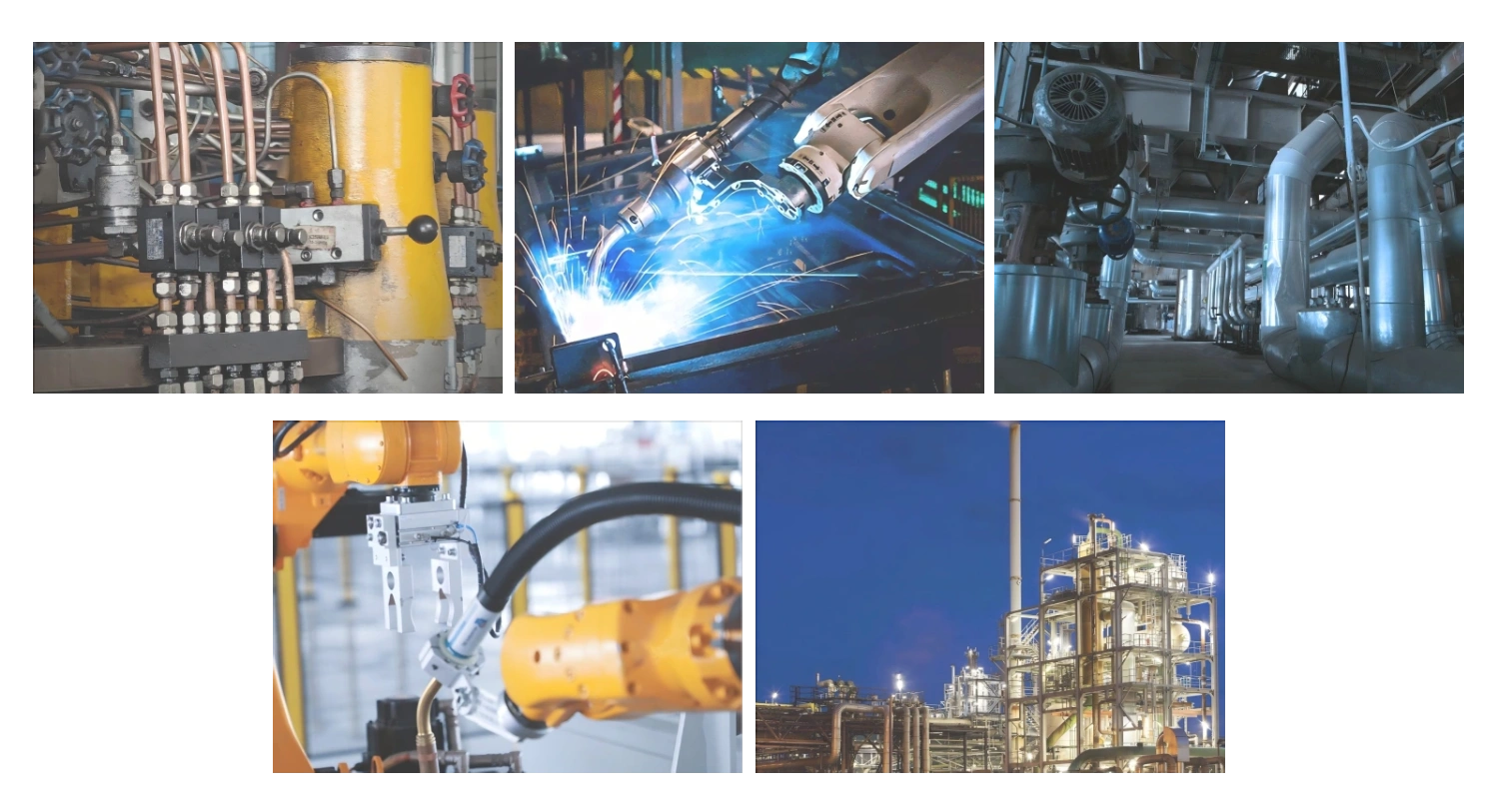
The Critical Role of Custom Seals in Demanding Industrial Applications
Understanding the Demand for Custom-Engineered Seals in Modern Industry
Modern industries face operational challenges that standard seals can’t address—62% of equipment failures in extreme environments stem from inadequate sealing solutions (Ponemon 2023). Custom seals fill this gap by adapting to unique pressure profiles, chemical exposures, and thermal cycles inherent in advanced manufacturing and energy systems.
Fluid Sealing Solutions for Complex Operational Challenges
Custom seals resolve three critical industrial pain points: containing 5000+ PSI hydrogen in fuel cell production, preventing microbiological contamination in pharmaceutical bioreactors, and maintaining seal integrity during -70°C cryogenic storage. Recent advancements in multi-layer sealing architectures now achieve 99.97% leakage prevention in aerospace hydraulics, outperforming conventional designs by 40%.
Key Applications in Aerospace, Medical, and Automotive Industries
The automotive sector leads custom seal adoption, accounting for 33.2% of the global market in 2023. Critical implementations include:
- Aerospace: Self-lubricating seals for satellite thrusters facing -150°C to 300°C thermal swings
- Medical: Transparent silicone seals enabling visual inspection in dialysis machines
- Automotive: Conductive elastomer seals isolating high-voltage EV battery connections
How Standard Seals Fall Short in Extreme or Unique Environments
Off-the-shelf seals degrade catastrophically under combined stresses—a 2024 material study showed standard FKM rubber loses 90% flexibility after 72 hours in synthetic biofuels. As noted in aerospace sealing research, mission-critical systems increasingly require seals engineered as performance-optimized system components rather than commodity parts.
Precision Engineering and Advanced Manufacturing for Reliable Seal Performance
Seal Performance Under Temperature Extremes, High Pressure, and Dynamic Loads
Industrial seals today can handle temperatures ranging from minus 100 degrees Fahrenheit all the way up to plus 500 degrees Fahrenheit while standing up to pressures over 10 thousand pounds per square inch. According to research published by the Fluid Sealing Association back in 2023, nearly two thirds of seal problems in energy sectors actually come down to poor performance when dealing with temperature changes over time. The best engineered solutions now rely on computer models to figure out how materials expand and contract, allowing designers to create better shapes for these components. This approach helps maintain reliability even when facing real world challenges like intense vibrations at frequencies reaching 200 cycles per second or small shifts in alignment measuring around half a millimeter either direction.
High-Performance Metallic and Elastomeric Seals for Critical Environments
| Material Type | Temperature Range | Pressure Resistance | Common Applications |
|---|---|---|---|
| Fluorocarbon (FKM) | -15°F to +400°F | 3,000 psi | Chemical processing valves |
| Metal Spring-Energized | -328°F to +1200°F | 15,000 psi | Aerospace fuel systems |
| PTFE Composite | -320°F to +500°F | 5,000 psi | Pharmaceutical cleanrooms |
Specialized manufacturers combine elastomeric flexibility with metallic structural support to meet simultaneous thermal, chemical, and mechanical demands.
Leak-Proof Design Through CNC Machining, Molding, and Tight-Tolerance Fabrication
CNC machining can get really tight tolerances when making metal seals, typically holding to about plus or minus 0.0002 inches radially. Compression molding works wonders too for keeping those rubber parts consistent across their cross section, usually within 0.001 inch variation. These kinds of specs matter a lot because they stop unwanted leaks from forming in those super sensitive vacuum systems that operate down at 10 to the negative ninth mbar levels. They also make all the difference in systems where fluids move at incredible speeds. For food processing equipment that needs to meet FDA standards, this level of control becomes absolutely critical. The surfaces just cant be rougher than 32 microinches Ra otherwise there's risk of contamination or product loss during operation.
Enhancing Wear and Abrasion Resistance With Advanced Materials and Surface Treatments
Plasma-sprayed tungsten carbide coatings reduce seal wear rates by 83% in abrasive media handling (ASME 2022). Laser surface texturing creates micro-dimples that retain lubricants, decreasing friction coefficients by 40—60% in reciprocating pump applications.
Ensuring Chemical Resistance in Aggressive Media Across Industrial Processes
Cross-linked polyurethane formulations demonstrate 99.9% resistance to aliphatic hydrocarbons after 1,000-hour immersion tests (ASTM D471). For sulfuric acid transport systems, PTFE-lined seals maintain integrity at 98% concentration levels and 300°F temperatures, outperforming standard elastomers tenfold in lifespan comparisons.
Smart Material Selection for Long-Term Durability in Custom Sealing Solutions
Comparing elastomers, metals, and composites for extreme temperature and pressure sealing
Picking the right material for sealing applications means finding that sweet spot between heat resistance, chemical compatibility, and ability to withstand mechanical stresses. Take fluoroelastomers (FKM) for instance they work pretty well until temperatures hit around 230 degrees Celsius. For those nasty chemical environments in pharmaceutical plants, engineers often turn to high performance PTFE composites which stand up to all sorts of corrosive substances. When dealing with really heavy pressures, say over 10,000 pounds per square inch in oil field equipment, metallic seals become necessary. Stainless steel spring energized designs are common choice there. The newer hybrid materials on the market, particularly graphite reinforced elastomers, are changing the game. These can handle wild temperature swings from as cold as minus 50 degrees all the way up to 315 degrees Celsius while still resisting attack from aggressive chemicals something traditional materials struggle with.
Matching seal material properties to specific operational demands
When picking materials for industrial applications, there are basically six main things engineers need to consider first. These include how hot or cold things get, what kind of chemicals will be around, how often pressure changes happen, if parts move against each other, whether sterilization is needed, and just how long everything needs to last before replacement. Take EPDM rubber for instance. The peroxide cured version works better than regular sulfur cured stuff when dealing with steam because it stands up to water breakdown much longer. And then there's HNBR which has pretty much replaced normal NBR in car transmission systems lately since biodiesel can eat through standard rubber over time. Big companies actually create these complex charts that match different material properties against specific ways equipment might fail in real world conditions. It's all about finding that sweet spot where cost meets performance without compromising safety margins.
Designing for long-term durability and reliability in mission-critical systems
The materials used in aerospace hydraulic seals really show what modern engineering can achieve when it comes to durability. Standard fluoroelastomer seals typically handle around a million flight cycles before needing replacement, but when manufacturers start adding polyimide compounds into the mix, they get about 40% more service life out of these components in supersonic planes. For mining operations dealing with extreme conditions, surface treatments matter a lot too. Applying tungsten carbide through plasma processes cuts down on abrasive wear by nearly two thirds compared to regular seals according to Parker Hannifin's research from last year. This kind of performance makes all the difference in critical applications like nuclear containment systems where technicians might not want to replace seals for over fifteen years at a time because shutting down those facilities costs millions.
Balancing cost, performance, and lifecycle in material decisions
Specialty materials such as FFKM do come with a price tag that's roughly three to five times higher than regular FKM at first glance. But when looking at how these materials perform over time, particularly in those semiconductor wet benches lasting around ten years, the long term savings start adding up. Lifecycle analysis shows something pretty interesting here - about a 62% reduction in what it actually costs to own and maintain these systems throughout their lifespan. Because of this better value proposition, we're seeing more companies turn to glass filled PEEK seals for automotive electric vehicle battery cooling applications. Makes sense really, since these systems need both excellent thermal stability and good electrical insulation properties, which justifies spending extra on quality components despite the initial expense.
Customization Through In-House Design and Rapid Prototyping
Leveraging CAD, FEA, and simulation tools for precision seal geometry design
Advanced computer-aided design (CAD) enables micron-level modeling of sealing interfaces, identifying potential leakage paths before prototyping. Finite element analysis (FEA) optimizes geometry for uneven surface contacts common in aerospace hydraulics, while computational fluid dynamics verifies performance across pressure differentials up to 10,000 PSI.
Rapid prototyping and iterative development for fast validation
Manufacturers leverage multi-material 3D printing and 5-axis CNC machining to produce functional prototypes within 72 hours. This allows three design iterations per week—compared to traditional methods requiring two weeks per cycle—accelerating validation under real operating conditions.
Case study: Solving a non-standard sealing challenge in aerospace hydraulics
An aerospace company was dealing with constant problems with their hydraulic seals when temperatures dropped to -65 degrees Fahrenheit. To fix this, the engineering team came up with a special fluorocarbon composite material. They used computer simulations through CAD software and built prototypes right in their own workshop instead of sending it out. According to the latest data from the 2024 Aerospace Manufacturing Report, this method not only handled pressures up to 5,000 pounds per square inch but also cut down the testing process by almost three quarters compared to traditional outsourcing approaches. Some recent studies in the field indicate that bringing production processes in house can actually speed things up significantly for sealing systems. One particular finding suggests companies might get their products ready for market around 34 percent quicker when they handle these critical components themselves rather than relying on external suppliers.
Benefits of vertical integration in custom seal manufacturing
Controlling design, prototyping, and production internally eliminates supplier communication delays, reducing typical development timelines from 12 weeks to 5 weeks for specialty seals. Real-time collaboration between engineering and manufacturing teams enables same-day design adjustments based on prototype test results.
Testing, Validation, and Compliance: Ensuring Custom Seals Meet Industry Standards
In-house testing to replicate real-world operating conditions
Rigorous in-house protocols simulate extreme environments to validate seal integrity. Facilities recreate temperature swings (-65°F to 500°F), pressure spikes (up to 60,000 psi), and dynamic motion cycles, ensuring reliable performance under actual industrial conditions.
Pressure cycling, thermal shock, and chemical exposure test protocols
Seals undergo 10,000+ pressure cycles and rapid 300°F temperature transitions to assess fatigue resistance. Immersion testing in hydraulic fluids, jet fuels, and sterilization chemicals evaluates material stability, with leakage thresholds set below 0.1 cc/min per ASTM F37 standards.
Certification requirements in medical, automotive, and aerospace sectors
Compliance with FDA regulations ensures biocompatibility for medical-grade seals used in implantable devices. Automotive seals require ISO/TS 16949 certification for vibration resistance, while aerospace applications demand NADCAP-accredited testing for fuel and hydraulic systems.
Using test data to refine seal design and improve performance
Real-time strain gauges and CFD analysis identify stress concentrations during testing, guiding cross-sectional geometry optimization. Post-test hardness measurements (±2 Shore A) inform surface treatment choices, reducing wear rates by 40% in valve seal applications.
Frequently Asked Questions
What are the main challenges that custom seals address in industry?
Custom seals are designed to handle unique operational environments, including extreme pressures, thermal variations, and chemical exposures that standard seals cannot manage effectively.
How do custom seals contribute to leak prevention?
By utilizing advanced sealing architectures and precision manufacturing techniques, custom seals can achieve extremely low leakage rates, often outperforming traditional sealing solutions by a significant margin.
Why are custom seals important in the aerospace sector?
Custom seals in aerospace applications are critical due to the extreme conditions such as temperature fluctuations and high pressures encountered during flights. These seals ensure reliability and safety.
What materials are commonly used in the construction of custom seals?
Materials such as fluorocarbon (FKM), metal-spring energized composites, and PTFE are commonly used, chosen based on their performance under the demanding conditions of specific industrial applications.
How does rapid prototyping benefit the custom seal manufacturing process?
Rapid prototyping allows for quick iteration and validation of seal designs, significantly reducing development time and ensuring that the final product meets all performance criteria.
Table of Contents
- The Critical Role of Custom Seals in Demanding Industrial Applications
-
Precision Engineering and Advanced Manufacturing for Reliable Seal Performance
- Seal Performance Under Temperature Extremes, High Pressure, and Dynamic Loads
- High-Performance Metallic and Elastomeric Seals for Critical Environments
- Leak-Proof Design Through CNC Machining, Molding, and Tight-Tolerance Fabrication
- Enhancing Wear and Abrasion Resistance With Advanced Materials and Surface Treatments
- Ensuring Chemical Resistance in Aggressive Media Across Industrial Processes
- Smart Material Selection for Long-Term Durability in Custom Sealing Solutions
- Customization Through In-House Design and Rapid Prototyping
- Testing, Validation, and Compliance: Ensuring Custom Seals Meet Industry Standards
-
Frequently Asked Questions
- What are the main challenges that custom seals address in industry?
- How do custom seals contribute to leak prevention?
- Why are custom seals important in the aerospace sector?
- What materials are commonly used in the construction of custom seals?
- How does rapid prototyping benefit the custom seal manufacturing process?