 EN
EN

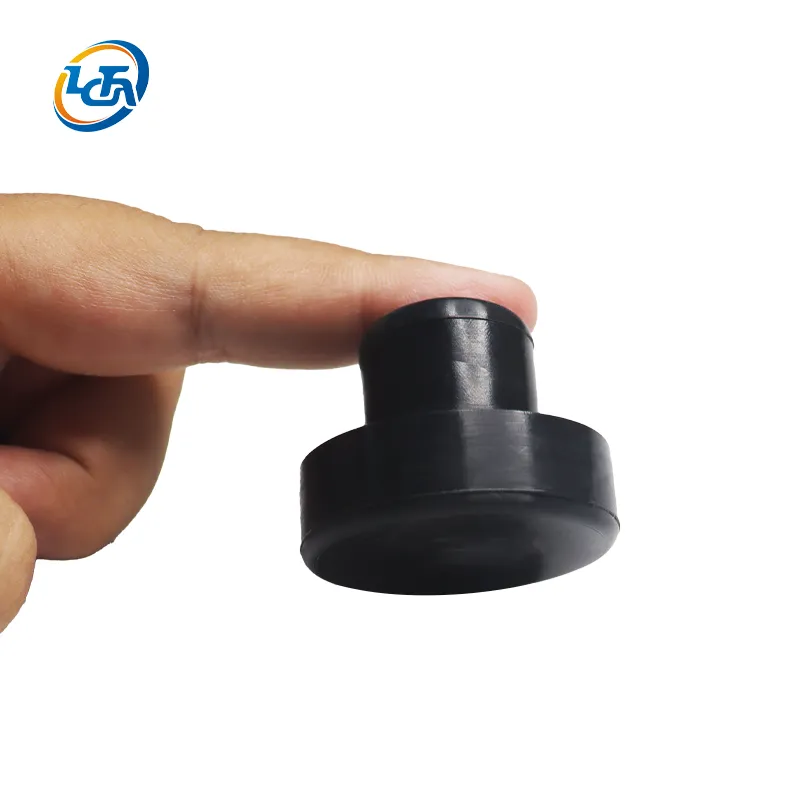
Silicone plugs serve as protective, sealing, and masking components across industries ranging from automotive manufacturing to medical device production. Unlike rubber plugs made from NBR or EPDM, silicone plugs offer a unique combination of high-temperature resistance, chemical inertness, and flexibility that makes them essential for applications where standard rubber materials would fail. With a continuous service temperature range from minus 60 to 200 degrees Celsius and the ability to withstand short-term exposure up to 250 degrees Celsius or higher, silicone plugs solve problems in powder coating, sterilization, electronics assembly, and food processing that no other plug material can handle as effectively.
High-temperature masking in surface finishing
One of the most important industrial uses for silicone plugs is masking threaded holes, ports, and fittings during high-temperature finishing processes. When metal parts undergo powder coating, e-coating, anodizing, or plating, the coating material must be kept out of critical surfaces such as threaded holes, bearing seats, and sealing faces. Silicone plugs inserted into these openings withstand oven curing temperatures of 200 to 250 degrees Celsius without melting, degrading, or leaving residue on the part surface. After the curing cycle, the plugs are removed and can often be reused multiple times, making them cost-effective compared to single-use paper or plastic masking products. The flexibility of silicone allows the plug to conform to the thread profile, creating a positive seal that prevents coating material from wicking into the opening. For large production runs, custom-molded silicone masking plugs designed for specific part geometries provide faster insertion and removal than generic tapered plugs, reducing labor costs in high-volume finishing operations.
Medical and pharmaceutical closures
The chemical inertness and biocompatibility of silicone make it the preferred material for plugs used in medical and pharmaceutical packaging. Silicone plugs serve as closures for vials, IV bags, syringe tips, and medical tubing connections where the plug material must not react with or contaminate the contents. Medical-grade silicone plugs meeting USP Class VI and ISO 10993 biocompatibility standards are tested for cytotoxicity, sensitization, and irritation to ensure patient safety. These plugs also withstand repeated sterilization by autoclave at 121 to 134 degrees Celsius, ethylene oxide gas, or gamma irradiation without losing their elastic sealing properties. In pharmaceutical manufacturing, silicone lyophilization stoppers are used in freeze-drying processes, where they must maintain a seal while allowing water vapor to escape during the drying phase and then be fully seated after the process completes. The demand for silicone medical plugs continues to grow as drug delivery devices and combination products require more sophisticated sealing solutions.
Food and beverage processing equipment
Silicone plugs used in food and beverage processing must meet stringent regulatory requirements, including FDA 21 CFR 177.2600 for rubber articles intended for repeated food contact and EU 10/2011 for plastic food contact materials. In dairy processing equipment, silicone plugs seal sampling ports, drain openings, and CIP system connections while resisting degradation from hot water, caustic cleaning chemicals, and acid sanitizers used in clean-in-place cycles. Brewing and beverage equipment uses silicone plugs as fermentation bungs, keg bungs, and sampling port seals that must not impart taste or odor to the product. Unlike NBR or natural rubber, silicone does not contain plasticizers or processing oils that can leach into food products. Silicone also resists microbial growth better than many other elastomers, an advantage in food processing environments where hygiene is paramount. For processing equipment that cycles between hot and cold conditions, silicone plugs maintain their flexibility and sealing force across the full temperature range without the stiffening that affects other rubber materials at low temperatures.
Electronics assembly and connector protection
During electronics manufacturing, connectors, ports, and circuit board components need protection from conformal coating, soldering flux, and cleaning solvents. Silicone plugs and caps shield USB ports, HDMI connectors, RJ45 jacks, and pin headers during the coating and soldering processes. Because silicone withstands the temperatures of reflow soldering and wave soldering without outgassing harmful substances, the plugs do not contaminate solder joints or leave residue on connector contacts. In completed electronic products, silicone plugs serve as dust covers and environmental seals for unused ports and connectors in outdoor equipment, marine electronics, and industrial control systems. The plugs prevent moisture, salt spray, and dust from corroding connector contacts, extending product service life in harsh environments. Silicone's high dielectric strength also makes it suitable for insulating high-voltage connector caps and test point covers in power electronics and electrical distribution equipment.
Plumbing and pipe testing applications
Construction and plumbing contractors use silicone plugs for temporary sealing and pressure testing of pipe systems. Silicone test plugs inserted into pipe ends create an expandable seal that allows sections of plumbing to be pressurized with air or water to check for leaks before final connection. The plugs are removed after testing and can be reused on subsequent projects, unlike glued-in test caps that must be cut off. Silicone drain plugs and cleanout plugs in residential and commercial plumbing withstand hot water exposure and chemical drain cleaners that would harden NBR plugs over time. In industrial piping, silicone plugs seal unused ports and instrument connections on pumps, valves, and tanks, preventing contamination and corrosion during storage and transport. The silicone plugs can be formulated with metal detectable additives for food processing facilities where fragment detection systems are required by HACCP plans.
Laboratory and analytical equipment
Research laboratories and analytical instrument manufacturers use silicone plugs in applications requiring chemical resistance and temperature stability. Silicone stoppers and plugs seal glassware such as flasks, test tubes, and chromatography columns where they must resist attack from solvents, acids, and bases that would swell or dissolve other rubber materials. In environmental sampling equipment, silicone plugs seal sample containers and collection vessels, ensuring that the plug itself does not contribute organic contaminants that could interfere with analytical results. Thermal analysis instruments use small silicone plugs to seal sample chambers during heating and cooling cycles. The combination of wide temperature range capability, low extractable content, and availability in USP Class VI certified formulations makes silicone the default plug material for many laboratory and analytical applications where material purity is critical.
What makes silicone plugs different from rubber plugs?
The primary difference is silicone's superior temperature range, spanning from minus 60 to 200 degrees Celsius continuously with short-term tolerance above 250 degrees Celsius, compared to 100 to 120 degrees Celsius maximum for standard NBR rubber plugs. Silicone also offers better chemical inertness, lower extractable content for medical and food applications, and does not harden or crack with UV and ozone exposure. However, silicone plugs generally have lower tear strength than NBR or EPDM equivalents and cost more per unit. The choice between silicone and other rubber materials depends on whether the application requires the unique properties of silicone or whether a standard rubber plug would serve adequately at lower cost.
Can silicone plugs be custom molded for specific applications?
Yes, silicone plugs can be custom molded to match specific thread sizes, port geometries, and application requirements. The liquid silicone rubber injection molding process achieves tight tolerances and complex shapes, making it suitable for medical device plugs and precision masking applications. High-consistency silicone rubber compression molding is more common for larger plugs used in industrial masking and pipe testing. Custom plugs can include design features such as pull tabs for easy removal, vent holes for pressure equalization, and textured gripping surfaces. Working with a manufacturer that offers in-house mold design and silicone compounding can reduce lead times for custom plug development.
Are silicone plugs safe for food contact applications?
Food-grade silicone plugs manufactured from FDA 21 CFR 177.2600 compliant formulations are safe for repeated food contact when used within their temperature and chemical resistance limits. These plugs must use only FDA-approved pigments if colored and must not contain fillers or plasticizers that could migrate into food. For food processing applications, verify that the supplier provides material certification documents confirming the specific FDA or EU compliance of the silicone compound used. Platinum-cured silicone is preferred over peroxide-cured silicone for food contact because it produces fewer extractable byproducts.


