EN
EN

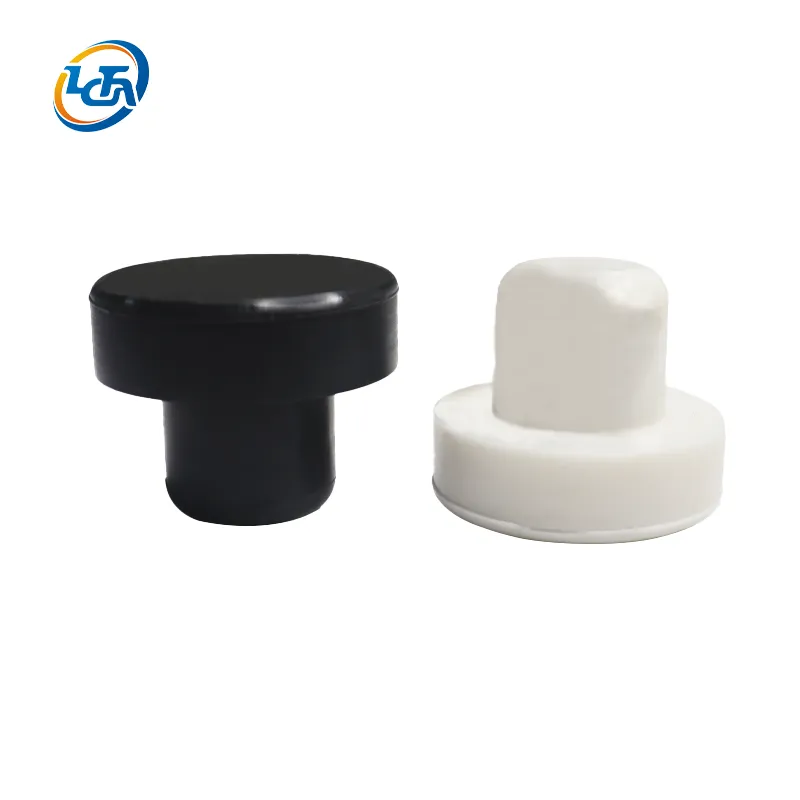
Understanding the Role of Rubber Plug Materials in Sealing Performance
In sealing equipment, the choice of material for a rubber plug directly determines performance, durability, and reliability. Based on practical experience working with industrial sealing components similar to those offered on Longcheng Seal’s product lines, material selection is not just about flexibility—it must match the operating environment. A rubber plug must maintain elasticity under pressure, resist deformation, and ensure consistent sealing over repeated use. For example, in fluid control systems, selecting the wrong material often leads to leakage or premature wear, especially when exposed to temperature fluctuations or chemicals. This makes material compatibility a critical starting point when evaluating any rubber plug.
Common Materials Used for Rubber Plug Applications
From an industry perspective, the most commonly used materials for a rubber plug include silicone rubber, nitrile rubber (NBR), EPDM, and natural rubber. Each has distinct properties that suit different sealing environments. Silicone rubber is widely used for its excellent temperature resistance and flexibility, making it suitable for applications where stability across varying conditions is required. Nitrile rubber, on the other hand, is known for its resistance to oils and fuels, making it a practical choice in mechanical and automotive sealing equipment. EPDM performs well in outdoor or water-based environments due to its resistance to weathering and aging. In actual applications, manufacturers often select a rubber plug material based on the specific medium being sealed—whether it is air, water, or oil—rather than relying on a one-size-fits-all solution.
Matching Rubber Plug Materials to Real-World Applications
In real-world sealing equipment scenarios, selecting the best rubber plug material depends heavily on working conditions. For example, in equipment exposed to high temperatures, silicone rubber plugs are often preferred because they maintain elasticity without cracking. In contrast, for systems involving lubricants or petroleum-based fluids, nitrile rubber plugs are more suitable due to their chemical compatibility. From a practical case perspective, production lines that switched from general-purpose rubber plugs to application-specific materials saw a noticeable improvement in sealing consistency and reduced maintenance frequency. This aligns with industry best practices, where material selection is guided by environmental factors such as pressure, temperature, and exposure to chemicals.
Key Performance Factors to Evaluate Rubber Plug Materials
When evaluating which rubber plug material is best, several technical factors should be considered. These include elasticity, compression set resistance, chemical resistance, and aging performance. A high-quality rubber plug should return to its original shape after compression, ensuring a tight seal over time. Additionally, resistance to environmental factors such as UV exposure, moisture, and temperature cycling plays a major role in long-term performance. In professional sealing applications, engineers often prioritize materials that provide a balance between flexibility and durability. While softer materials may seal more easily, they may also wear faster, so selecting the right hardness level is equally important.
How to Choose the Best Rubber Plug for Your Equipment
Choosing the right rubber plug ultimately comes down to understanding your equipment requirements. Start by identifying the operating conditions, including temperature range, pressure level, and type of medium being sealed. Then match these requirements with the material properties. For instance, if your equipment operates outdoors or in humid conditions, EPDM rubber plugs may offer better longevity. If precision sealing is required in controlled environments, silicone rubber plugs are often more reliable. Based on industry experience, working closely with a manufacturer that offers customizable rubber plug solutions—like those highlighted on Longcheng Seal’s website—can significantly improve product performance by ensuring the material and design are tailored to your specific application.
Frequently Asked Questions (FAQs)
1. What is the most versatile material for a rubber plug?
Silicone rubber is often considered the most versatile because it performs well across a wide temperature range and maintains flexibility in various conditions.
2. How do I know if a rubber plug is compatible with my application?
You should evaluate the operating environment, including temperature, pressure, and the type of fluid or gas involved. Matching these factors with material properties is essential.
3. How often should rubber plugs be replaced in sealing equipment?
Replacement frequency depends on usage conditions. In stable environments, rubber plugs can last a long time, but in harsh conditions, regular inspection is recommended to prevent sealing failure.
Table of Contents
- Understanding the Role of Rubber Plug Materials in Sealing Performance
- Common Materials Used for Rubber Plug Applications
- Matching Rubber Plug Materials to Real-World Applications
- Key Performance Factors to Evaluate Rubber Plug Materials
- How to Choose the Best Rubber Plug for Your Equipment
- Frequently Asked Questions (FAQs)