EN
EN

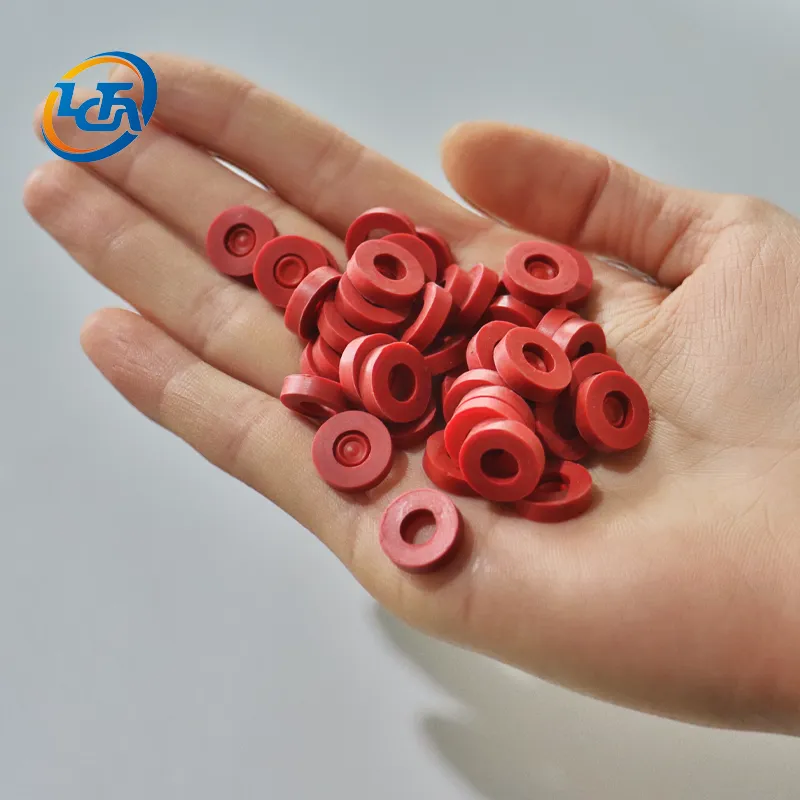
Whether it's an industrial system or high-performance machinery, we's critical to keep machinery components functioning properly. Rubber seals are the first to counter leakage, unwanted vibration, and environmental damage. Longcheng prefers to use engineering as an art, coupled with an academic approach to engineering to create long-lasting industrial rubber products. Longcheng values long term partnerships with customers. Our technical partnerships start with an operational analysis of the stress phenomena the customer’s work equipment is subject. From this stress analysis, we incorporate our experience in molding and our custom manufacturing processes that are coupled with rigorous inspections. Our products, such as seals and gaskets, and other customized industrial rubber products, are high precision masterpieces.
Precision Custom Molding and Engineering Design
Custom molding, which is the molding of rubber parts, is one of our services. Our custom molding is made according to architectural and mechanical engineering standards. Our design also takes into consideration the application environment, which varies in temperature, pressure, and the presence of chemicals, among other materials that may be part of the mechanical engineering structure to which these products are applied. We apply advanced techniques of compression and injection molding rubber products, obtaining parts that will not deform or lose their functional properties. We maintain dimensional stability, which means that we design and manufacture all of our products, whether a simple one, such as an O-ring, or a complex one, such as a custom profile gasket, with utmost precision. Our attitude towards dimensional tolerances is strict; by maintaining the tolerances we set, we avoid operational problems, such as improper seating, which leads to premature wear and failure of the system in hydraulic and pneumatic applications.
Specialized Compounding and Material Selection
The composition of chemicals in rubber parts determines their performance. We assist you in identifying the appropriate elastomer for your particular line of work. We have a broad selection to choose from including Nitrile (NBR) for oil resistance. Ethylene Propylene Diene Monomer (EPDM) provides you with weather and ozone resistance, and Silicone that has stability at high temperatures. With compounding, you can be sure that the intended purpose of the rubber is met with optimized attributes including, but not limited to, tensile strength, elongation at break, and compression set. If, for example, the customer has a need for seals used in outdoor facilities, then we select appropriate EPDM-based formulations that will not lead to cracking and hardening of the seal due to many years of ageing with the sunlight and UV rays.
Quality Control and Testing of Performance
The manufacturing of rubber parts is a trust that can be built and earned with reproducible and transparent results from testing. In our shop, we have a rigid set of standards that every single produced batch need to pass every one of the quality assurance checkpoints to verify that the batch is compliant with the standards set at the international level. On top of the quality assurance testing, we also perform a hand full of utilization testing. For example, we can simulate the real world conditions that will be used to test the performance of the seals and gaskets and provide feedback to our customers not just on the quality of the seals and gaskets, but also their on the expected and tested life spans. With the data received, customers are able to develop an informed plan for the maintenance of the seals and gaskets throughout the expected lifespan; ultimately to be confident in the seals and gaskets before they reach the assembly line.
Technical Support and Maintenance Consultancy
Apart from the production aspect, we provide sealing challenges troubleshooting consultations. Knowing the correlation between rubber and various metals and liquids is crucial to sealing. Our technicians advise on the best placements and techniques to minimize the \"shelf aging\" of rubber compounds, which is the process whereby rubber loses its elasticity before actual usage. We examine and test all failing components in the field to eliminate root causes, which may include chemical incompatibilities or mechanical over compressions, and we provide recommendations for design modifications. Our all-inclusive service module make sure our customers receive more than just products, but long-term sealing solutions that minimize the seal's downtime and maximize the productivity of their asset.
Frequently Asked Questions
- How do I know which rubber material is best for my specific application?
Choosing the right material depends on the environment. For example, if your rubber parts will be in constant contact with petroleum-based oils, NBR is the industry standard due to its excellent swelling resistance. However, if the application involves extreme temperatures or food-grade requirements, Silicone or EPDM may be more appropriate. We recommend reviewing the chemical compatibility and temperature range of your system with our technical team to ensure the longest service life.
- What is the typical lead time for custom-molded rubber components?
Lead times vary based on the complexity of the mold and the specific material compounding required. Generally, the process involves mold design, prototyping, and final production. Because we handle the engineering and manufacturing in-house, we can streamline these stages. We provide a transparent timeline at the start of every project to help you manage your inventory and production schedules effectively.
- Can you produce rubber parts that meet specific international safety standards?
Yes, our manufacturing processes are designed to align with various global standards for quality and safety. We perform rigorous testing to ensure that our products meet the necessary hardness, tensile, and durability metrics. If your project requires specific certifications for material purity or environmental resistance, we provide the relevant test reports and data sheets to verify that the components are fit for purpose.