EN
EN

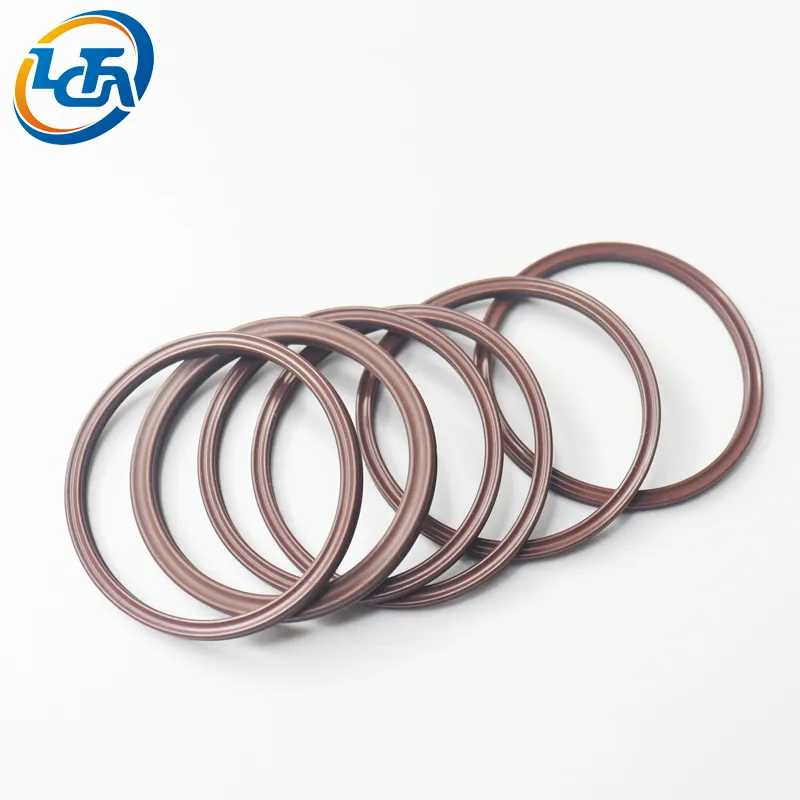
Understanding High-Pressure Challenges and the Xring Solution
In modern industrial machinery, high-pressure hydraulic systems demand sealing components that can withstand extreme operational stress without failing. Traditional sealing solutions often struggle when systemic pressure spikes, leading to fluid leaks, downtime, and premature component wear. To solve these challenges, an advanced alternative known as the xring has become a preferred choice across critical manufacturing applications. So, why are X-Ring seals effective in high-pressure hydraulic systems? The answer lies in their unique cross-sectional design and superior operational mechanics. Unlike standard seals, an xring provides multi-lobed contact points that distribute mechanical loads more evenly across the sealing surface. This specialized xring geometry ensures that the component maintains its functional integrity even when subjected to intense, continuous hydraulic forces. For industrial buyers looking for reliable system performance, selecting a premium xring configuration is often the most direct path to reducing unexpected operational failure.
The Four-Point Contact Design Prevents Leakage
The primary reason why an xring excels under pressure is its unique four-point contact profile, which creates an exceptional barrier against hydraulic fluid. A standard sealing ring relies on a single concentrated contact line, but the four-lobed xring design splits the sealing load across multiple distinct ridges. This structural setup significantly expands the contact area, making the xring highly efficient at preventing fluid or gas leakage in dynamic hydraulic cylinders. When heavy hydraulic pressure pushes against the xring, the lobes actively distribute the force, which seals the gap tighter without overloading a single point. This dual-action sealing capability means that the xring delivers twice the sealing protection compared to conventional alternatives. By maintaining multiple contact zones, the xring remains secure against sudden pressure fluctuations, ensuring a leak-free environment for sensitive machinery.
Lower Friction and Less Wear Under Heavy Loads
In high-pressure dynamic systems, friction is a primary enemy that causes heat generation, rubber degradation, and premature seal failure. An xring addresses this technical challenge by requiring less initial squeeze to create a reliable fluid seal within the housing groove. Because the xring geometry naturally conforms to the sealing surface, it minimizes the radial friction force that often plagues traditional dynamic seals. Reduced friction means that the xring generates significantly less heat during rapid reciprocating motions or high-speed rotational operations. As a result, using an xring helps protect the sealing surfaces from deep mechanical wear and extends the overall service life of the entire system. This lower operating friction also optimizes energy efficiency, making the xring an economically sound and highly reliable technical option for demanding hydraulic circuits.
Superior Extrusion Resistance Eliminates Spiral Failure
Extrusion is a common failure mode where intense hydraulic pressure forces a soft seal into the small clearance gap between moving parts. The balanced quadrilateral shape of an xring effectively resists this type of physical extrusion, even under extreme pressure conditions. Furthermore, traditional round seals tend to twist or roll when moving back and forth, leading to a destructive phenomenon known as spiral failure. In contrast, the stable configuration of the xring prevents it from rolling inside the groove, maintaining its position during heavy reciprocating strokes. This structural stability allows the xring to provide long-term reliability without requiring bulky backup mechanisms in most standard high-pressure systems. Choosing an engineered xring ensures that your hydraulic components remain fully protected against deformation, tearing, and sudden pressure blowouts.
Material Versatility and LongCheng Sealing Expertise
Achieving optimal sealing performance requires matching the xring with the specific chemical and thermal demands of the target hydraulic fluid. High-quality xring components can be manufactured from a wide variety of rubber compounds, including Nitrile Rubber (NBR), Fluororubber (FKM), and Polyurethane (PU). For example, an FKM xring provides outstanding resistance to high temperatures and aggressive industrial chemicals, while a PU xring offers exceptional mechanical strength. Xingtai Longcheng Sealing Co., Ltd. brings sixteen years of deep manufacturing experience to producing these high-performance xring components with precise dimensional control. As an ISO 9001, CE, and RoHS certified manufacturer, the factory ensures that every xring meets strict international quality and performance standards. Whether your application involves construction machinery, automotive systems, or industrial pumps, a customized xring from a trusted partner ensures lasting durability.
Conclusion: Enhancing System Integrity with a Custom Xring
In conclusion, the xring stands out as a highly effective component for high-pressure hydraulic systems due to its low friction, extrusion resistance, and four-point contact design. Implementing an xring into your machinery directly translates into fewer fluid leaks, lower maintenance costs, and minimized equipment downtime. Xingtai Longcheng Sealing Co., Ltd. provides a complete range of xring specifications, supporting full custom orders to match unique engineering blueprints. With 16 years of industry experience and a professional technical team, the factory delivers standard and non-standard xring solutions tailored to global industry needs. Investing in the right xring technology is a strategic step toward optimizing the reliability, safety, and longevity of your heavy-duty hydraulic assets.
Table of Contents
- Understanding High-Pressure Challenges and the Xring Solution
- The Four-Point Contact Design Prevents Leakage
- Lower Friction and Less Wear Under Heavy Loads
- Superior Extrusion Resistance Eliminates Spiral Failure
- Material Versatility and LongCheng Sealing Expertise
- Conclusion: Enhancing System Integrity with a Custom Xring