 EN
EN

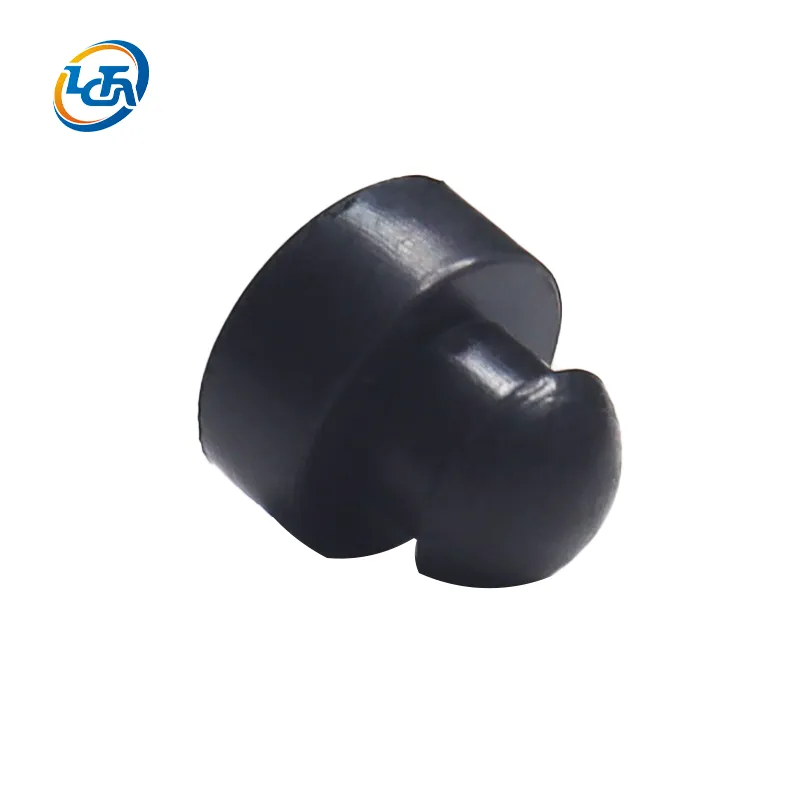
Rubber plugs come in several distinct engineered configurations, each designed for specific industrial sealing, port protection, and masking applications. Selecting the appropriate rubber plug type—such as solid, tapered, threaded, or specialized laboratory stoppers—prevents fluid leakage, environmental contamination, and thread damage during operating, finishing, or international shipping. This technical guide breaks down the primary types of rubber plugs and details how to match elastomer materials and geometries to your operational requirements.
Solid Rubber Plugs for High-Integrity Sealing
Solid rubber plugs are molded as one-piece cylinders or cones without internal voids, sealing strictly through interference fit when pressed into an opening. They are widely specified to isolate pipe ends, hydraulic hose fittings, and machined housing bores during pressure testing, transport, or long-term storage. Because retention relies entirely on the elastomer's physical memory and contact force, tight dimensional tolerances and durometer selection are critical. Standard materials like Nitrile (NBR), Ethylene Propylene Diene Monomer (EPDM), and Fluorocarbon (FKM) cover oil, water, and chemical handling, while high-temp Silicone plugs suit food-grade and high-heat thermal processing lines.
Tapered and Stepped Rubber Plugs for Variable Port Diameters
Tapered rubber plugs feature a gradually reducing outer diameter along the body, enabling a single plug size to seal a range of opening dimensions based on insertion depth. This versatile design makes tapered plugs a standard choice for quality control labs and powder coating operations that manage multiple port dimensions without stocking excessive inventory sizes. Stepped plugs incorporate molded external ribs or steps along the profile, providing enhanced mechanical grip and multiple sealing points within smooth through-holes. These geometries are ideal for low-to-moderate pressure environments, paint masking, dust protection, and preliminary fluid isolation.
Threaded Rubber Plugs and Protective Caps for Port Integrity
When internal or external threads require complete protection against ingress, threaded rubber plugs and flexible caps deliver positive sealing directly against the thread form. Threaded plugs screw into female ports, while matching caps stretch over male thread ends, providing an imperative barrier in hydraulic blocks, pneumatic valves, and automotive subassemblies during transport. The flexible rubber conforms to thread root profiles to lock out moisture, dust, and abrasive particulate. Integrated sealing lips or flanges can be incorporated into the mold design to enhance surface contact and ensure rapid manual or automated installation.
Rubber Stoppers and Container Plugs for Fluid and Powder Handling
Rubber stoppers represent a specialized category engineered for bottles, glass vials, and chemical vessels within pharmaceutical, food processing, and laboratory equipment. Their physical design typically pairs a tapered sealing stem with an oversized top flange for rapid insertion, grip, and vacuum sealing. Material purity and gas permeability drive selection in these environments: food-grade Silicone stoppers excel in elevated temperatures and sanitary systems, whereas Butyl and NBR compounds deliver low gas permeability for sealed liquid storage. These stoppers are engineered to withstand continuous mechanical stress on automated filling and capping machinery.
How to Select the Right Industrial Rubber Plug
To specify the correct rubber plug, start by defining the primary operational function: temporary fluid sealing, permanent closure, masking protection, or transit cap. Next, evaluate the working media, operating pressure, service temperature, and port geometry. Fluid compatibility determines the elastomer compound, system pressure indicates whether solid or threaded designs are required, and thermal requirements establish compound selection. Standard hardness ranges from 40 to 80 Shore A, balancing ease of manual insertion with secure retention. Verifying port tolerances against plug dimensions ensures a reliable interference fit prior to production.
Application Example: Protecting Threaded Hydraulic Ports During Export
A global hydraulic valve manufacturer needed a reliable solution to protect dozens of open threaded ports on cast iron valve blocks against salt fog and dust during ocean freight. Previously, ports were sealed with tape, which degraded in transit and required tedious cleaning prior to final assembly. By transitioning to custom-molded 60 Shore A NBR threaded plugs, the manufacturer eliminated moisture ingress and shipping contamination while cutting manual packaging time per unit by half.
Frequently Asked Questions
What is the difference between a rubber plug and a rubber cap?
A rubber plug is inserted into a hole, pipe, or threaded cavity to seal it from the inside, whereas a rubber cap fits over the outside of an exposed component, shaft, or male thread.
Can rubber plugs handle high operating pressures?
Solid rubber plugs relying solely on friction hold moderate pressures in static applications, but high-pressure system sealing requires threaded rubber plugs or mechanical retention plates to prevent blow-out.
Which rubber material is best for chemical sealing?
Fluorocarbon (FKM) provides the broad spectrum chemical resistance for aggressive fluids and solvents, NBR is ideal for petroleum oils and fuels, and EPDM is recommended for water, steam, and polar solvents.
Table of Contents
- Solid Rubber Plugs for High-Integrity Sealing
- Tapered and Stepped Rubber Plugs for Variable Port Diameters
- Threaded Rubber Plugs and Protective Caps for Port Integrity
- Rubber Stoppers and Container Plugs for Fluid and Powder Handling
- How to Select the Right Industrial Rubber Plug
- Application Example: Protecting Threaded Hydraulic Ports During Export
- Frequently Asked Questions


