EN
EN

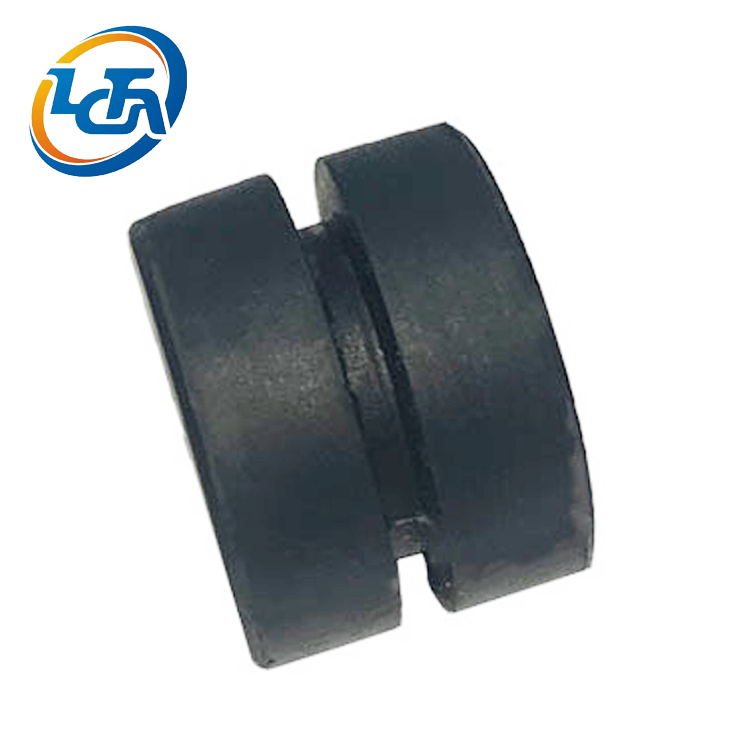
Why Engine Bays Demand Specialized Heat-Resistant Rubber Grommets
Thermal Stress and Mechanical Degradation in Modern Engine Compartments
The modern engine bay is basically a sauna for materials, with temps regularly hitting over 150 degrees Celsius right around those exhaust manifolds and turbochargers. All that heat really takes its toll on parts over time. Rubber starts breaking down faster because of oxidation and this thing called compression set where it just gets squished out of shape permanently after sitting under pressure for too long. Then there's the constant shaking from engine vibrations that creates tiny cracks in rubber compounds. Throw in contact with motor oil, coolant leaks, and whatever nasty stuff splashes up from the road, and rubber components start swelling up and basically falling apart at the molecular level. These combined stresses mean most grommets won't last much beyond six months in many vehicles, particularly those with forced induction systems or hybrid setups. We've seen countless cases where failed grommets lead to major problems downstream in the drivetrain.
How Standard Rubber Grommets Fail: EPDM, NR, and SBR Limitations Above 120°C
Rubber materials commonly used in industrial applications such as EPDM (Ethylene Propylene Diene Monomer), Natural Rubber (NR), and Styrene Butadiene Rubber (SBR) start breaking down when temperatures exceed about 120 degrees Celsius. Take EPDM for instance it gets stiff and loses all that nice elastic quality we need. Natural Rubber isn't far behind either, oxidizing pretty fast. According to some research published in 2022 by Polymer Degradation Studies, NR can lose around 80% of its tensile strength just after sitting at 130C for 500 hours straight. And then there's SBR which tends to swell anywhere between 25 to 40 percent when exposed to oil environments. What happens next? All these materials end up developing those annoying surface cracks through repeated heating and cooling cycles. These cracks become entry points for fluids and cause wires to wear down over time. The result? Higher chances of electrical short circuits, fluid leakage issues, and weakened EMI shielding performance in areas where heat levels regularly push past what standard rubbers are designed to handle.
Material Comparison: Selecting the Right Rubber Grommet for High-Temperature Performance
Silicone, FKM (Fluoroelastomer), and TPV: Heat Resistance, Oil Compatibility, and Compression Set at 200°C+
Engine bays get pretty hot sometimes, often exceeding 200 degrees Celsius where regular materials just can't cut it anymore. Take silicone for instance. It stays pliable all the way up to around 250 degrees Celsius and still holds onto about 80 percent of its original tensile strength even after spending 1,000 hours at those extreme temperatures according to ASTM D573 standards. The catch? Silicone tends to expand by as much as 30 percent when exposed to hydrocarbons, which makes it less than ideal for parts that might come into contact with oils or fuels. Fluoroelastomers (FKM) are another option though. These bad boys handle temperatures well beyond 300 degrees Celsius and barely swell at all in ASTM Oil No. 3 tests, typically under 10 percent expansion. That makes them great choices for harsh chemical environments. But there's a tradeoff here too. After repeated heating cycles at 200 degrees Celsius, FKM materials usually end up with compression sets ranging between 15 and 25 percent. Thermoplastic Vulcanizates (TPV) strike a nice middle ground. High quality TPV grades can tolerate temperatures up to 200 degrees Celsius while keeping compression sets under 40 percent. Plus, their ability to be processed like plastics combined with adjustable hardness properties makes them particularly useful for manufacturing intricate grommet designs that need both durability and flexibility.
| Material | Max Temp (°C) | Oil Resistance | Compression Set (200°C) |
|---|---|---|---|
| Silicone | 250 | Moderate | 20–30% |
| FKM | 300+ | Excellent | 15–25% |
| TPV | 200 | Good | 30–40% |
Trade-Off Analysis: Flexibility vs. Chemical Resistance in Greasy, Vibration-Prone Environments
When dealing with greasy engine compartments that experience constant vibrations, picking the right materials requires some tough decisions. Silicone works really well at absorbing those vibrations compared to FKM because it has a softer texture (around 50 to 70 on the Shore A scale). This helps keep delicate wires from getting damaged through rubbing against other parts. But there's a catch - when exposed to fuel for any length of time, silicone loses about half its ability to stretch, which means it can't handle direct contact with oil. On the flip side, FKM stands up better to chemicals but becomes quite rigid (typically 75 to 90 Shore A), and this stiffness actually makes cracks more likely to form in areas where parts move around a lot. TPV offers something in between with adjustable hardness levels (usually between 60 and 80 Shore A) plus good resistance to hydrocarbons. However, if it stays in hot conditions for too long, it starts losing its springiness. Looking at actual applications, FKM tends to be the go-to choice for fuel rail connections since durability matters more than being flexible there. Meanwhile, silicone remains the best option for ECU wiring located away from oil spots thanks to how effective it is at dampening vibrations.
Core Functional Applications of Heat-Resistant Rubber Grommet in Engine Bays
Wire and Cable Protection: Preventing Chafing, Insulation Breakdown, and Short Circuits
Rubber grommets that resist heat are essential for protecting wiring harnesses against sharp edges and those annoying engine vibrations we all know too well. Left unprotected, wires start to rub through pretty quickly actually, sometimes exposing conductors inside just around six months into service according to SAE data from 2023. When these parts get close to exhaust systems, things get really hot up there around 150 degrees Celsius. Standard rubber simply cannot handle this kind of heat, it gets hard then cracks over time. What happens next? The insulation fails which opens the door for all sorts of problems like short circuits when moisture gets in, dangerous electrical arcs forming, and various sensors going haywire. That's why specialized grommets matter so much they stay flexible even when temperatures spike, stopping insulation failures that account for roughly a quarter of all electrical issues seen in engine compartments today.
Dynamic Sealing Against Oil, Coolant, and Dust: Ensuring Long-Term Grommet Integrity
Grommets create flexible seals around those fluid lines and connectors, handling thermal expansion issues while standing up against oil swelling, coolant getting through, and all sorts of abrasive dust. The best materials out there show pretty good resistance to compression sets, staying under 15% even after sitting for 1,000 hours at 175 degrees Celsius. What does this mean? These seals hold up well in engines that are constantly moving around, so there's no leaking going on that would mess up sensors or cause corrosion problems with electrical connections. When manufacturers get the specs right on these grommets, they actually see about a 34% drop in warranty claims related to fluids in their heavier duty equipment applications.
Future-Proofing Design: Electrification, Thermal Loads, and Next-Gen Rubber Grommet Solutions
The rise of electric vehicles has pushed engine compartment temps well past 200 degrees Celsius these days. Battery packs and all those power electronics just generate so much heat. This means we need grommets that can handle wild temperature swings day after day, plus stand up against electromagnetic interference problems. New material blends are mixing silicone with tiny ceramic particles or boron nitride additives. These combinations boost heat transfer capabilities somewhere around 15 to maybe 25 percent, and they still manage to dampen vibrations effectively. Some folks in the industry are really excited about fluorosilicone hybrids because they work pretty well against both glycol coolants and those high voltage dielectric fluids. With 800V systems becoming the norm across the board, most engineers are now looking for grommets rated UL94 V-0 for fire safety, and ones that don't release harmful gases that might mess up sensitive sensors. There's also talk about these smart rubber compounds with built-in temperature sensors inside them. If they catch on, they could help predict when maintenance is needed, which would definitely improve wiring reliability in self-driving cars down the road.
FAQ
What are the primary reasons standard rubber grommets fail in engine bays?
Standard rubber grommets fail due to high temperatures that lead to rubber degradation, oxidation, and mechanical degradation from engine vibrations, which in turn cause cracks and material breakdown.
How do silicone and FKM rubber grommets compare in high-temperature conditions?
Silicone can withstand temperatures up to 250°C and remains flexible, but it may not perform well with oil exposure. FKM handles temperatures over 300°C and remains stable in harsh chemical environments, though it can become rigid over time.
Why is selecting the right material for rubber grommets crucial?
Choosing the right material ensures long-term durability, flexibility, and resistance to the environmental conditions in engine bays, thereby preventing short circuits and fluid leaks.
What are the anticipated advancements in rubber grommet materials for electric vehicles?
Future advancements include blending materials like silicone with ceramics for better heat management and the development of fluorosilicone hybrids for improved chemical resistance. There's also potential for smart materials with built-in sensors for enhanced maintenance.
Table of Contents
- Why Engine Bays Demand Specialized Heat-Resistant Rubber Grommets
- Material Comparison: Selecting the Right Rubber Grommet for High-Temperature Performance
- Core Functional Applications of Heat-Resistant Rubber Grommet in Engine Bays
- Future-Proofing Design: Electrification, Thermal Loads, and Next-Gen Rubber Grommet Solutions
-
FAQ
- What are the primary reasons standard rubber grommets fail in engine bays?
- How do silicone and FKM rubber grommets compare in high-temperature conditions?
- Why is selecting the right material for rubber grommets crucial?
- What are the anticipated advancements in rubber grommet materials for electric vehicles?