EN
EN

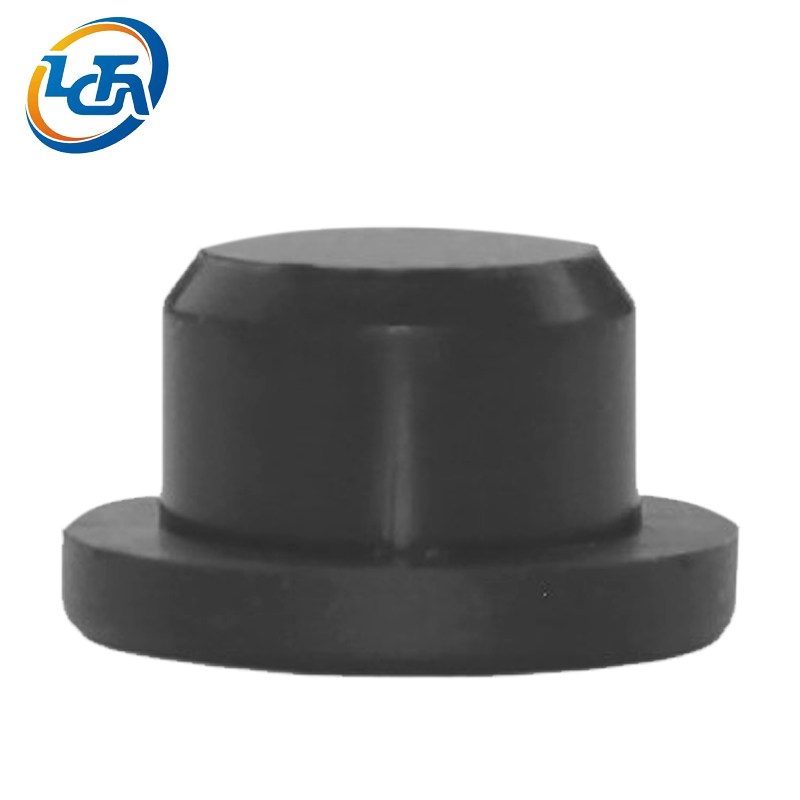
What Is a Rubber Stopper? Core Properties and Material Variants
Rubber stoppers are specially made plugs that form tight seals against air and liquids in lab equipment, industrial tanks, and medicine containers. What makes these work so well comes down to three main features. First, they need elasticity so they can bend and spring back without losing their grip when pressure changes happen. Second, materials must stand up to various chemicals since different substances will attack them differently based on what's inside the container. Lastly, good rubber stoppers handle extreme temperatures just fine whether sitting in freezing conditions or going through hot sterilization processes like autoclaving.
Common material variants include:
- Natural rubber: Exceptional elasticity but limited resistance to oils, ozone, and oxidizing agents
- Silicone: Outstanding high- and low-temperature flexibility (-60°C to 230°C), biocompatibility, and inertness—ideal for FDA-regulated and sterile applications
- Synthetic compounds (EPDM, neoprene, nitrile, Viton®): Engineered for specific chemical and environmental challenges—e.g., EPDM resists weathering and steam, while Viton® excels against aggressive solvents and acids
The choice of materials really affects how reliable something will function over time. Take silicone for example it keeps bouncing back after going through multiple autoclave cycles. That's why many manufacturers stick with it for certain applications. On the other hand, when making those tiny vials for injectable drugs, most companies go for either fluoropolymer coated options or bromobutyl stoppers. These materials help reduce stuff getting extracted into the solution and also cut down on proteins sticking to surfaces. Getting good results means paying attention to two main things first, making sure dimensions are spot on according to standards like ISO 17755, and second, picking materials whose characteristics actually fit what the product needs to do in real world conditions.
Key Rubber Stopper Applications Across Industries
Laboratory Glassware Sealing and Containment
Rubber stoppers make great reusable seals for all sorts of glassware like flasks, test tubes, and beakers. They stop those annoying leaks, keep samples from getting contaminated, and prevent precious materials from escaping when things get heated up, cooled down, or put under vacuum conditions. What makes them so useful is their ability to bounce back after stretching, which means they can handle the expansion that happens inside autoclaves. Plus, most standard lab chemicals won't eat through them either. When running gas reactions or setting up distillation apparatus, these stoppers maintain the necessary vacuum while keeping dangerous or smelly stuff contained within the system. And let's not forget the basics really matter too. A good tight fit actually keeps out dust particles and microscopic organisms floating around in the air, something that can ruin experiments and mess with test results if left unchecked.
Pharmaceutical Packaging and Sterile Closure
Rubber stoppers play a critical role in aseptic manufacturing as primary closures for various medical containers including vials, syringes and intravenous bags. These stoppers need to maintain their sterile condition all the way from when they're filled until they reach the patient. A major requirement is that they can handle different terminal sterilization processes like gamma irradiation and ethylene oxide treatment without breaking down or releasing anything harmful. When it comes to freeze drying (lyophilization), good compression recovery helps prevent problems like delamination and those annoying stopper pop-ups we all know too well. Applying silicone coatings also makes a big difference in reducing particles that might otherwise shed into the product. Manufacturers absolutely have to follow USP chapter 381 guidelines because these standards control what gets extracted from materials and ensure biological safety. This becomes especially important for injectable products since patients actually come into direct contact with them during administration.
Industrial Fluid Handling and Vessel Isolation
Rubber stoppers play a critical role across various industries including petrochemical plants, food processing facilities, and water treatment centers where they keep process fluids contained within reactors, storage vessels, and transfer piping. The harder rubber compounds rated between 70 to 90 on the Shore A scale stand up better against pressure forces, wear from abrasive materials, and extended exposure to substances like hydrocarbons, strong alkalis, or corrosive mixtures. For operations concerned about volatile organic compounds, choosing the right type of elastic material becomes essential for staying compliant with EPA regulations while minimizing unintended chemical leaks into the environment. When it comes to clean-in-place systems used throughout manufacturing, these seals must survive countless cycles of hot steam cleaning at temperatures reaching around 140 degrees Celsius without losing their shape permanently, which is why many manufacturers specify particular grades known for maintaining their integrity over time despite harsh conditions.
How to Select the Right Rubber Stopper: Size, Hardness, and Compatibility
Matching Stopper Dimensions to Bottle or Flask Neck (ID/OD Guidelines)
Getting the right size is really important if we want to prevent leaks and keep containers safe. Don't just guess at measurements. Always check the inner diameter (ID) and neck height of the container using proper tools like calibrated calipers or gauges instead of relying on what our eyes tell us. Most standard stoppers come in sizes labeled from #0 to #10 according to industry standards like ISO 17755. Each number actually represents specific top and bottom diameters that manufacturers have defined. When dealing with unusual or custom made glassware, it pays to compare the actual measurements against charts provided by the manufacturer, focusing especially on the outer diameter (OD) of the neck area. The ideal fit usually involves around 15 to 20 percent compression around the circumference. If it's too loose, stuff will leak out and microbes might get in. But go too hard and there's real risk of cracking fragile glassware. Whenever specs aren't clear cut, always ask for physical samples first so we can test how things fit properly before ordering large quantities.
Durometer Ratings and Chemical Resistance for Critical Environments
Durometer—measured on the Shore A scale (40–90A)—determines sealing force, durability, and suitability for substrate fragility. Low-durometer stoppers (40–50A) suit thin-walled or precision glassware; high-durometer options (70–90A) deliver structural integrity in pressurized industrial vessels.
Chemical exposure dictates material choice:
- Nitrile (NBR): Resists oils, fuels, and aliphatic solvents—common in automotive and lubricant handling
- Silicone: FDA-compliant, thermally stable, and broadly compatible with aqueous and alcoholic solutions
- EPDM: Excellent resistance to steam, ozone, and weathering—suited for outdoor or HVAC applications
- Viton® (FKM): Superior resistance to ketones, esters, strong acids, and aromatic hydrocarbons
Always consult authoritative chemical resistance charts—such as those provided by XMBest Seal—before final selection. In regulated environments like pharmaceutical manufacturing, supplement chart data with immersion testing per USP <381> to validate real-world performance.
Maintenance, Safety, and Common Pitfalls with Rubber Stoppers
Preventing Contamination, Compression Set, and Aging Degradation
Stopper reliability faces threats from three main issues. First, microbes can get into them when they're handled or stored improperly. Second, compression set happens when stoppers deform permanently after being under pressure too long or inserted too far. Third, materials break down over time because of exposure to sunlight, ozone, or repeated temperature changes. Butyl rubber tends to last around 30% longer than regular natural rubber in lab tests since it stands up better to oxidation. Keep stoppers safe by storing them in dark containers where humidity stays low, ideally below 25 degrees Celsius or 77 Fahrenheit. Rotate inventory using the oldest first principle. When working in sterile environments, stick strictly to what the manufacturer says about autoclaving times. Going beyond those limits causes tiny cracks to form and raises the chance of particles getting into sensitive products.
| Degradation Factor | Effect on Rubber Stoppers | Prevention Strategy |
|---|---|---|
| Chemical Exposure | Swelling, softening, or leaching of additives | Match stopper material to process chemistry (e.g., silicone for ethanol-based formulations) |
| Mechanical Stress | Compression set, reduced sealing force | Insert no more than 75% of stopper height; verify correct size before use |
| UV/Ozone | Surface embrittlement and cracking | Store away from direct sunlight and ozone-generating equipment |
OSHA and USP Compliance Considerations for Regulated Settings
Rubber stoppers used in pharmaceutical, clinical, and industrial laboratories need to meet two main sets of regulations at the same time. First there's USP <381> which deals with controlling extractables and leachables, plus Class VI biological safety standards. Then we have OSHA requirements around hazard communication. This means labs need to keep their material safety data sheets (MSDS/SDS) current and readily available for any elastomeric parts that come into contact with dangerous materials. When it comes to injectable products specifically, most labs go with bromobutyl or chlorobutyl stoppers because these materials tend to bind less with proteins and help maintain the stability of formulations over time. Facilities following Good Manufacturing Practices (GMP) also require written replacement schedules. Usually this means replacing stoppers once a year if they're stored statically, or after each production batch when dealing with critical closure points in the manufacturing process. These replacement rules exist mainly to prevent problems like particulate shedding, delamination issues, and inconsistencies between different batches of product.
FAQ
What are the main properties required in rubber stoppers?
Rubber stoppers must have elasticity, chemical resistance, and temperature resistance to effectively seal containers.
What are common materials used for rubber stoppers?
Common materials include natural rubber, silicone, and synthetic compounds like EPDM, neoprene, nitrile, and Viton®.
How do I ensure the right fit for a rubber stopper?
Always measure the container's inner diameter and neck height with calibrated tools and choose stoppers according to industry standards like ISO 17755.
What is the importance of durometer ratings?
Durometer ratings indicate the hardness of a rubber stopper, critical for its sealing force and durability, especially in different environments.
How do you maintain rubber stoppers?
Store them in dry, dark conditions, rotate inventory, and adhere to the manufacturer's specifications for sterilization.