EN
EN

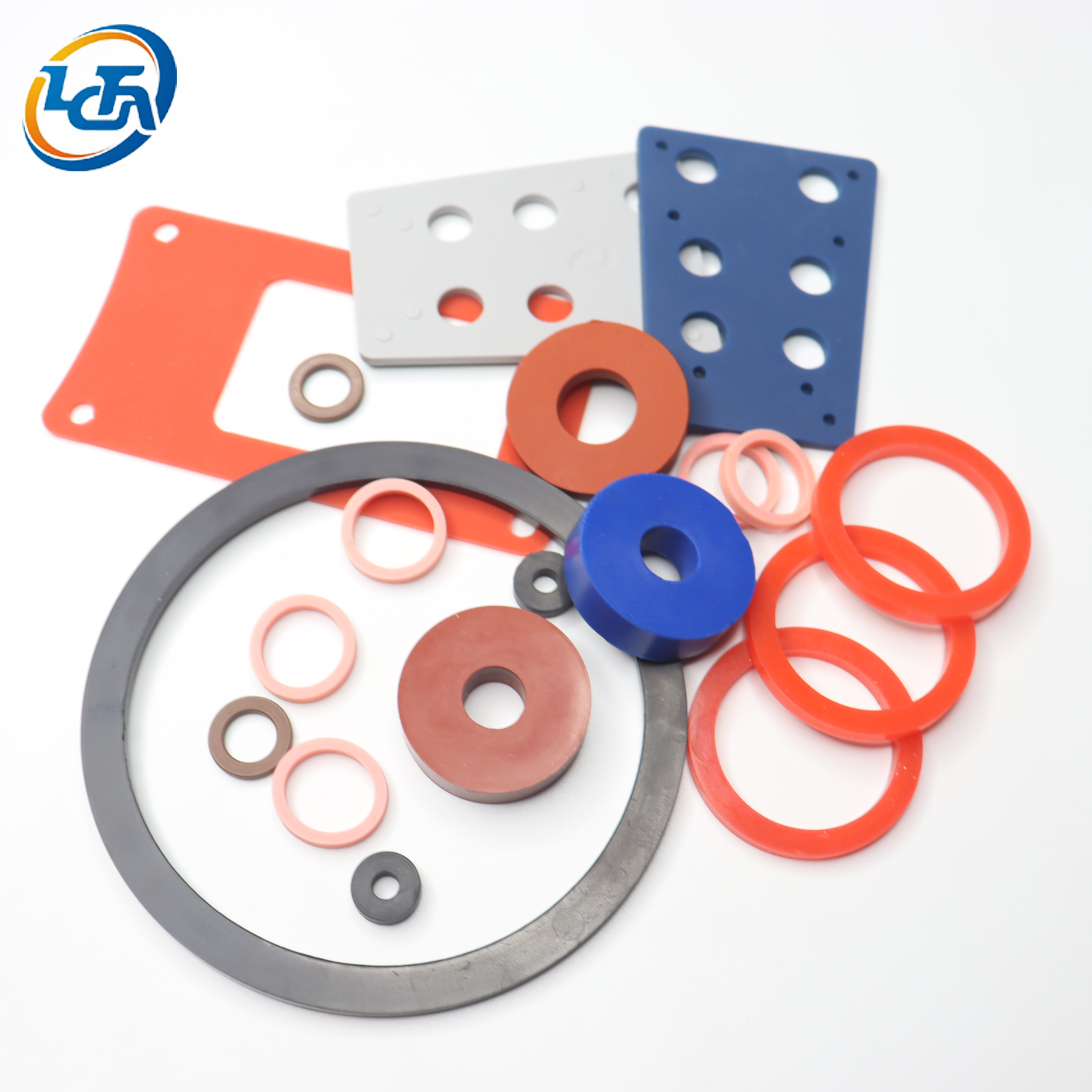
Why Heat-Resistant Rubber Washers Fail Without Proper Material Selection
Thermal Stress and Seal Failure in Oven Door and Flange Assemblies
When industrial ovens go through constant heating cycles, rubber washers take a beating over time. We're talking about temperatures jumping from room temp all the way up past 260 degrees Celsius, then cooling down repeatedly. According to some research papers on seals, this kind of treatment starts causing tiny cracks to form within just half a year. Most often these cracks begin at spots where the pressure concentrates, especially when there's a mismatch between how much the metal parts expand versus the rubber washers during heating. What happens next? Well, the seal between flanges gets weaker. Heat starts leaking out more, which means the oven doesn't work as efficiently anymore (efficiency plummets somewhere between 12% and 18%), and safety becomes a bigger concern for plant operators.
Compression Set Degradation Above 150°C: How It Compromises Long-Term Rubber Washer Integrity
Continuous operation above 150°C initiates irreversible polymer chain breakdown—known as compression set—causing permanent loss of elasticity. At 200°C, standard elastomers lose 40–60% rebound resilience within just 500 operational hours (per ASTM D395 testing). This deformation creates uneven sealing surfaces that permit:
- Cumulative heat leakage (>15% energy loss)
- Tripling of replacement frequency
- Contaminant ingress in food-grade environments
Because degradation progresses invisibly, material selection must anticipate long-term performance—not just peak temperature tolerance.
Comparing Key Rubber Washer Materials for Industrial Oven Applications
Silicone Rubber Washers: High Flexibility and Intermittent Stability to 300°C
Silicone rubber washers handle heat really well in ovens that cycle on and off. The chemical structure of silicone stays flexible even when temperatures drop to -60 degrees Celsius and spike up to around 300 degrees Celsius during brief heating periods. This means doors seal properly even after many heating and cooling cycles. Testing shows that after being exposed to 200 degrees Celsius, silicone only loses about 15% of its shape according to ASTM standards, which makes it hold up better against permanent squishing compared to other materials. There is one catch though: if these washers sit in steam for too long at temperatures over 150 degrees Celsius, they start breaking down chemically. This becomes a big problem in environments where things need to be sterilized regularly or cleaned with high moisture levels.
Viton® (FKM) Rubber Washers: Chemical Resistance and Continuous 204°C (400°F) Performance
When dealing with situations where high temperatures meet harsh chemicals, Viton® fluoropolymer washers stand out from the competition. The material's unique fluorine-carbon bonding allows it to handle continuous operation even at 204°C without breaking down when faced with oils, various acids, solvents, and those pesky catalytic off-gases. Take catalytic ovens for instance. After spending 1,000 hours in such acidic conditions, these washers still maintain around 90% of their original tensile strength. That's roughly three times better than what we typically see with silicone according to DuPont's technical specs. For industrial applications like metal tempering ovens that regularly contend with quench oil vapors and pressurized steam environments, this kind of durability simply can't be matched by other materials on the market today.
EPDM Rubber Washers: Cost-Effective Only Below 150°C—Risks of Thermal Oxidation in Sustained Oven Duty
EPDM washers work well economically for sealing applications but only when temperatures stay under around 150 degrees Celsius. What makes them good against ozone and steam is their saturated chemical structure, though they start breaking down quickly once things get hotter than that threshold. According to recent findings from Rubber World in 2023, these washers lose more than 40 percent of their elasticity after about 500 operating hours at temperatures exceeding 160 degrees Celsius. This degradation leads to surface cracks and ultimately fails seals in places like bakery ovens where heat exposure matters most. For secondary components such as ventilation duct connections, EPDM still serves fine. However, anyone trying to use it as main sealing material on oven doors or flanges would likely face problems down the road.
Matching Rubber Washer Specifications to Real Industrial Oven Environments
Food Processing Ovens: Silicone Rubber Washers Ensuring FDA-Compliant Sealing and Vacuum Integrity
Silicone rubber washers comply with the FDA's 21 CFR 177.2600 standards for materials that come into contact with food, which makes them well suited for applications like baking, roasting, and vacuum packaging in industrial ovens. These washers can handle steam cleaning processes with temperatures reaching up to 150 degrees Celsius during short bursts without releasing any harmful substances. What really stands out is their ability to maintain shape over time. After sitting at 177 degrees Celsius for 168 straight hours, they only show around 15% compression set. This property means they keep applying the right amount of pressure even after opening and closing oven doors countless times. For manufacturers working with meat products or baked goods, this consistency is absolutely essential because it helps maintain proper vacuum seals and keeps unwanted microbes from getting into packaged foods throughout production runs.
Metal Tempering and Catalytic Ovens: Viton® Rubber Washers Resisting Steam, Oil Vapors, and Acidic Off-Gases
Viton® (FKM) washers handle continuous operation at around 204°C in tough thermal processing conditions. These washers stand up well against problems like swelling or hardening caused by quench oil mist, acidic exhaust fumes, and powerful steam jets that we often see in aluminum tempering operations and exhaust treatment setups. After sitting for about 1,000 hours at temperatures reaching 230°C, these washers still keep their shape with less than 20% compression set. That means they maintain proper sealing even in harsh environments filled with toxins or under pressure. Plus, their ability to withstand sudden temperature changes helps prevent cracks forming when cold parts get placed into hot chambers around 400°F.
Critical Non-Temperature Factors in Rubber Washer Selection and Installation
When it comes to how long washers last, temperature isn't always the main concern. Chemical compatibility tends to matter just as much, if not more. Many industrial environments expose equipment to harsh chemicals that break things down over time. Think about alkalis, those organic solvents we all know about, or acidic stuff that builds up during food processing and metal treatments. These substances can wear away at materials even when temperatures are within acceptable ranges. Take steam rich catalytic ovens for example they really need materials that resist breaking down when exposed to water based reactions. And then there's the issue with acidic exhaust systems which call for special polymers like Viton that won't melt down under acidic conditions. Getting this right makes a huge difference in maintenance costs and overall equipment lifespan.
Environmental stressors—including UV radiation and ozone—also degrade elastomers, especially near ventilation hoods or outdoor-mounted ovens. While silicone exhibits excellent ozone resistance (per ASTM D1149), it swells rapidly in petroleum-based fluids. Conversely, Viton® resists oils but suffers in sustained high-steam conditions.
Getting the installation right matters just as much as everything else. When flanges get compressed too tightly during assembly, it causes what's called premature compression set, which can cut down on sealing force by nearly half according to ASTM standards. The key here is applying the right amount of torque, something that needs to be adjusted based on both the washer's hardness rating and its actual thickness. This helps prevent problems like material extrusion or permanent shape changes. For ongoing maintenance, regular checks are a must. Look out for signs such as cracks forming on surfaces, changes in how hard the material feels (measured in Shore A units), and delays in returning to original shape after being released from pressure. These are warning signals that things might be heading towards failure if not addressed promptly.
Key considerations include:
- Chemical exposure profile (acids, alkalis, solvents, steam)
- Required compression set tolerance under sustained load
- UV/ozone resistance ratings per ASTM D1149
- Torque specifications matched to washer durometer and geometry
FAQ
Why do heat-resistant rubber washers fail?
Heat-resistant rubber washers fail primarily due to thermal stress, improper material selection, and chemical exposure. Over time, these factors lead to cracks, reduced elasticity, and compromised sealing integrity.
What are compression set degradation and its effects?
Compression set degradation occurs when rubber loses its elasticity after prolonged exposure to high temperatures, causing permanent deformation. This can lead to uneven sealing surfaces and increased chances of leaks.
Why is silicone rubber preferred for food processing ovens?
Silicone rubber washers meet FDA standards, ensuring safe contact with food. They maintain shape even after repeated heat cycles and can handle steam cleaning without releasing harmful substances.
What makes Viton® rubber washers suitable for metal tempering ovens?
Viton® washers resist high temperatures, oils, and acidic conditions, making them ideal for tough thermal processing environments. They maintain their shape and sealing properties, even after prolonged exposure to harsh conditions.
How important is proper installation of rubber washers?
Proper installation is crucial to avoid issues like premature compression set and material extrusion. This involves applying the correct torque based on the washer's hardness and thickness to ensure optimal sealing force.