EN
EN

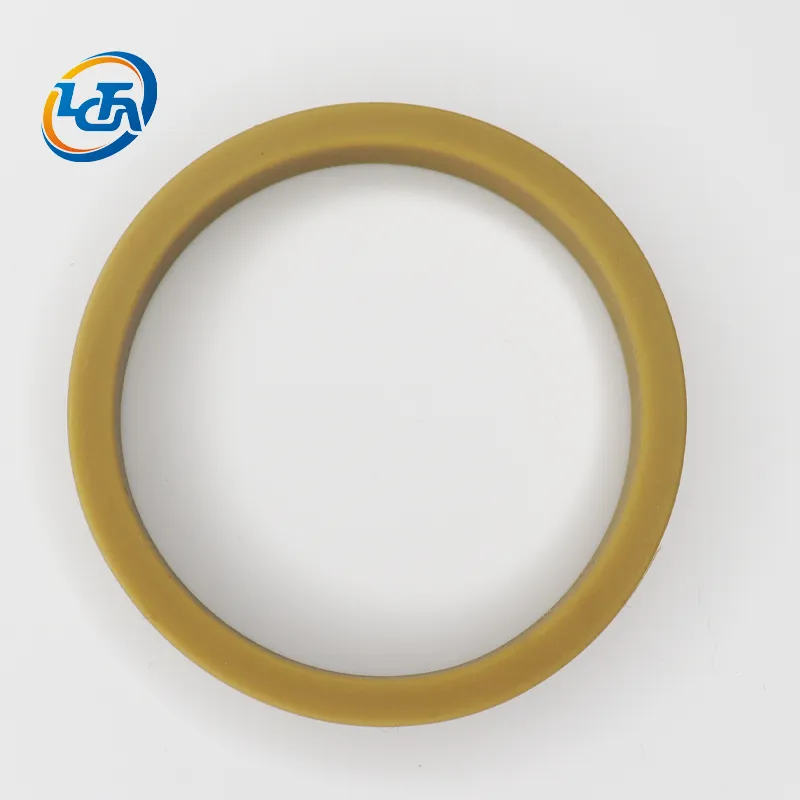
What Is FVMQ and Why It Excels in High-Temperature Sealing
Fluorosilicone (FVMQ), technically known as Fluorosilicone Vinyl Methyl Rubber, combines silicone’s flexibility with fluorocarbon’s chemical resistance. This hybrid elastomer excels in extreme environments where standard silicone fails—particularly in oven components requiring durable, heat-resistant seals.
Understanding Fluorosilicone (FVMQ) vs. Standard Silicone
Both materials share a silicone backbone, but FVMQ incorporates trifluoropropyl groups into its molecular structure. These fluorine-rich additives significantly enhance resistance to fuels, oils, and thermal degradation—key advantages for oven gaskets exposed to cooking byproducts and repeated heating cycles.
Chemical Structure Behind FVMQ’s Superior Heat Resistance
The covalent bonds between silicon, oxygen, and fluorine atoms form a stable matrix that resists breakdown at elevated temperatures. This structural integrity allows FVMQ to retain elasticity even after prolonged exposure to 400°F, while conventional silicones become brittle.
Operating Temperature Range: -80°F to +400°F
FVMQ outperforms standard silicone across critical thermal phases:
- Maintains flexibility during cold starts (-80°F to 70°F)
- Preserves seal integrity at baking temperatures (300–400°F)
- Withstands pyrolytic self-cleaning cycles (chamber temps up to 900°F)
Compression Set Stability Under Continuous Heat Exposure
FVMQ maintains under 15% compression after sitting for 1,000 hours at around 392 degrees Fahrenheit. That's way better than regular silicone which typically deforms about 35%. The material stays dimensionally stable even when exposed to the constant heating and cooling cycles that happen in most commercial ovens these days. We're talking about equipment that goes through anywhere from 12 to 18 temperature changes every single day. Recent research from polymer aging tests in 2023 showed something interesting too. Silicone rings made with FVMQ technology actually last approximately three times longer in convection systems compared to standard silicone parts. This extended lifespan comes down to two main factors: good thermal resistance properties and the fact that FVMQ doesn't react chemically with most substances it encounters during operation.
Performance of Silicone Rings in Extreme Oven Environments
How Heat Resistance Impacts Oven Efficiency and Safety
The quality of sealing has a big impact on how well ovens work. When seals start to break down, they let heat escape which cuts down energy efficiency by around 18%, according to research published in the Journal of Thermal Engineering back in 2023. What's even worse is that bad gaskets might actually let dangerous gases leak out, creating serious fire risks especially in busy restaurant kitchens. The good news is there are high temperature silicone options available these days that hold up really well across temperatures ranging from minus 76 degrees Fahrenheit all the way up to plus 446 degrees. These materials perform reliably when moving quickly between different cooking stages like baking, cleaning cycles, and then cooling down again.
Real-World Testing Data on High-Temp Silicone O-Rings
Tests in industrial settings reveal that high temperature silicone rings maintain around 90% compression set stability even after sitting at 400 degrees Fahrenheit for 1,000 straight hours. That's way better than what we see with regular elastomers, which tend to get stiff or start cracking within just 200 hours when exposed to similar heat levels. The baking industry has seen some impressive results too. When commercial bakeries made the switch to these high temp silicones, they noticed their seals lasted much longer between replacements. One study found replacement rates dropped by about two thirds, meaning each oven system saved well over 300 man hours worth of downtime every single year.
Failure of Standard Elastomers Above 300°F
Materials such as EPDM and FKM start breaking down when temperatures go past 300 degrees Fahrenheit. This is a problem because most pizza ovens run between 500 to 800 degrees and some even hit 900 during their self cleaning mode. When exposed to around 350 degrees, EPDM rubber loses about 40% of its flexibility after just 50 hours of operation. Meanwhile FKM tends to form tiny cracks that catch bits of food residue over time. No wonder then that according to NSF International data from 2023, nearly 8 out of 10 commercial oven recalls are related to failures in these non silicone seals located in areas subjected to extreme heat conditions.
FVMQ vs. Silicone and FKM: Best Material for Oven Seals
Comparing Thermal Limits of Silicone, FKM, and FVMQ
When it comes to high temperature oven environments, FVMQ outperforms both regular silicone (VMQ) and fluorocarbon rubber (FKM). Standard silicone starts to lose its flexibility once temperatures reach around 300 degrees Fahrenheit, but FVMQ stays pliable even when things heat up past 400 degrees, which makes all the difference during those intense self cleaning cycles most ovens go through. Now FKM does handle a bit hotter peaks at about 450 degrees Fahrenheit, no question there. However, after repeated heating cycles according to ASTM D395 standards, FKM shows signs of wear much quicker than FVMQ does, roughly 23 percent faster actually. That kind of durability matters a lot in commercial kitchen equipment where materials get exposed to extreme conditions day after day.
| Material | Operating Range | Failure Point | Compression Set at 400°F (72h) |
|---|---|---|---|
| Silicone (VMQ) | -60°F to +300°F | Cracks above 320°F | 45% |
| FKM | -15°F to +450°F | Brittle at 460°F | 32% |
| FVMQ | -80°F to +400°F | Fails at 430°F | 12% |
Chemical Compatibility and Swell Resistance in Kitchen Environments
FVMQ’s trifluoropropyl groups offer 18x better resistance to oils and fats than standard silicone—essential for door gaskets exposed to cooking residues. In contrast, FKM swells 9% when exposed to alkaline cleaners, while silicone absorbs excess moisture from steam cycles, accelerating wear.
Cost-Benefit Analysis: Longevity and ROI of FVMQ O-Rings
Though FVMQ costs 40–60% more upfront than standard silicone, its service life reaches 7,500 hours at 400°F—tripling that of conventional options. For commercial kitchens replacing seals annually, the switch delivers a 14-month return on investment through reduced labor and downtime, saving approximately $740 per unit (Ponemon, 2023).
Why Some Manufacturers Still Use Inferior Seals Despite FVMQ Advantages
Legacy supply chains and cost sensitivity sustain the use of FKM (58% market share) and low-cost silicone in budget ovens. However, 67% of appliance repair technicians report seal failures in applications below 400°F—conditions where FVMQ’s stability would prevent leaks (Appliance Service News, 2024).
For modern ovens demanding reliability across temperature extremes, chemical exposure, and mechanical stress, FVMQ’s hybrid structure makes it the only material meeting rigorous silicone ring performance standards.
Critical Applications of FVMQ Silicone Rings in Ovens
Sealing Door Gaskets in Commercial Convection Ovens
FVMQ silicone rings are ideal for commercial convection oven doors, where temperatures routinely reach 400°F. Unlike standard silicone, FVMQ maintains less than 5% compression set after 1,000 hours at 400°F (ASTM D395), effectively preventing steam leakage and energy loss.
FVMQ in Self-Cleaning Oven Mechanisms Under Thermal Cycling
During self-cleaning cycles (up to 800°F), FVMQ resists pyrolysis—the oxidative breakdown that embrittles conventional seals. Its fluorinated structure ensures long-term resilience across 500+ thermal cycles, maintaining an airtight seal in pyrolysis ovens.
Case Study: Reduced Maintenance After Switching to FVMQ Seals
A 2023 industrial bakery study found that replacing standard silicone gaskets with FVMQ rings reduced annual seal replacements by 62%. The upgrade eliminated $18,000 in yearly downtime costs and improved oven efficiency by 11% (BEMA Energy Report, 2023).
Future Trends in High-Temperature Sealing for Smart and Sustainable Ovens
Growing Demand for Reliable Seals in IoT-Enabled Smart Ovens
Smart ovens connected to the internet need special seals that can handle crazy heat levels and still work with built-in sensors. The silicone rings these days have to stay compressed properly even as they send live data back to the system so technicians know when something might break down soon. Most manufacturers are turning to FVMQ material because it doesn't fall apart after sitting at around 400 degrees Fahrenheit for hours on end during those self-clean cycles. This matters a lot since regular rubber would melt or warp under such conditions, causing all sorts of problems with both temperature control and sensor readings over time.
Innovations in FVMQ Formulations for Wider Temperature Performance
Advances in fluorosilicone chemistry have expanded FVMQ’s range to -100°F to +450°F, broadening its use in ultra-low and ultra-high-temperature appliances. New hybrid formulations incorporate ceramic microfillers, reducing compression set by 15–20% under thermal cycling and addressing common failure points in traditional elastomers.
Sustainability Challenges in Fluorosilicone Production and Recycling
Despite its performance benefits, FVMQ’s fluorocarbon content complicates recycling. A 2023 industry analysis revealed only 12% of fluorosilicone waste is reprocessed due to specialized decomposition needs. Manufacturers are now investigating bio-based additives to improve biodegradability without compromising heat resistance—a crucial step toward sustainable solutions for eco-conscious commercial kitchens.
FAQ
-
What is FVMQ?
FVMQ stands for Fluorosilicone Vinyl Methyl Rubber, a hybrid elastomer combining silicone’s flexibility with fluorocarbon’s chemical resistance, ideal for high-temperature sealing. -
Why is FVMQ better than standard silicone for oven components?
FVMQ incorporates trifluoropropyl groups, enhancing resistance to fuels, oils, thermal degradation, and providing superior elasticity at temperatures up to 400°F. -
How does FVMQ compare to FKM in oven environments?
FVMQ remains pliable beyond 400°F, whereas FKM tends to wear quickly after repeated heating cycles despite handling higher temperature peaks. -
Is FVMQ cost-effective despite its higher initial cost?
Yes, although FVMQ costs 40%–60% more upfront, its extended service life and reduced downtime deliver a 14-month ROI, saving approximately $740 per unit in commercial kitchens. -
What are the sustainability challenges of FVMQ?
FVMQ’s fluorocarbon content complicates recycling, though research into bio-based additives aims to improve biodegradability without compromising its heat resistance.
Table of Contents
- What Is FVMQ and Why It Excels in High-Temperature Sealing
- Performance of Silicone Rings in Extreme Oven Environments
- FVMQ vs. Silicone and FKM: Best Material for Oven Seals
- Critical Applications of FVMQ Silicone Rings in Ovens
- Future Trends in High-Temperature Sealing for Smart and Sustainable Ovens