EN
EN

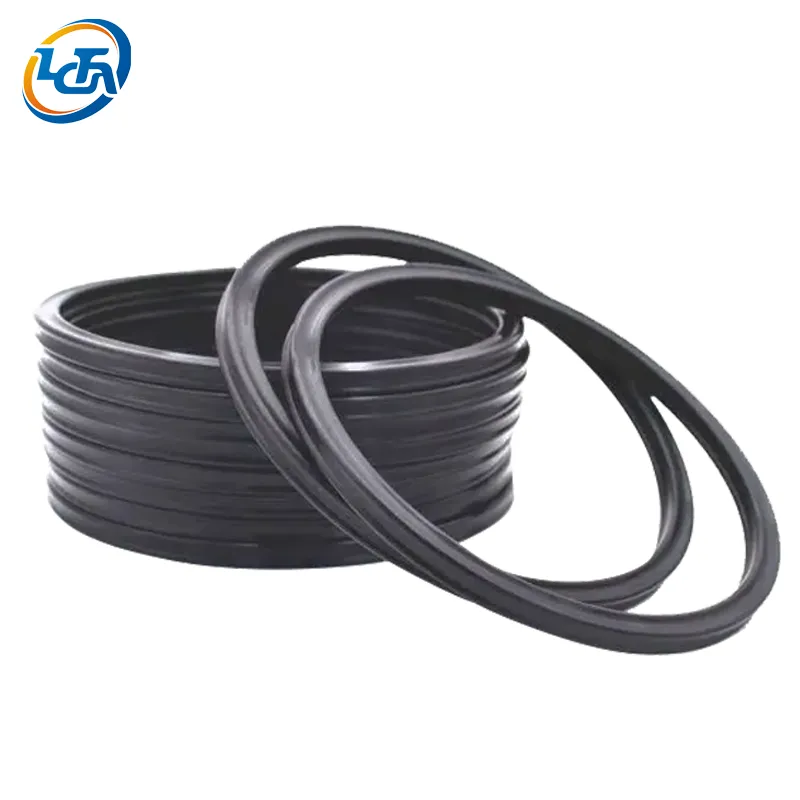
Why Waterproof Seals Are Critical in Marine and Offshore Environments
Understanding the Demand for Waterproof Marine Sealants in Harsh Conditions
Equipment used in marine and offshore settings faces some pretty tough conditions all the time. Saltwater gets everywhere, UV rays beat down constantly, and pressure changes can be brutal on machinery. Good waterproof seals are what keeps systems from failing when moisture tries to sneak in. Take offshore wind turbines for example the sealants there have to hold up against tidal forces that can reach over 15 kN per square meter, all while sticking to surfaces that are already starting to corrode. Materials like EPDM and fluorocarbon rubber really stand out here they manage to keep out nearly all water (about 99.9%) even after being exposed to salt spray tests for more than 5,000 hours according to ASTM B117 standards. This kind of performance makes them reliable choices for long term use in harsh environments.
Challenges Posed by Saltwater Resistance and Corrosion Protection
Marine environments see corrosion happening at roughly triple the rate compared to what we see on land, and this adds up to around $7 billion in annual costs for the offshore industry according to NACE statistics from last year. The problem comes down to chloride ions sneaking into those tiny gaps in regular sealants, which speeds up the whole metal oxidation process. Newer sealant formulas now mix in hydrophobic polymers along with sacrificial zinc particles, cutting down corrosion rates by nearly two thirds in those critical flange joints. Some recent testing showed that HNBR based seals kept about 92% of their original tensile strength even after sitting on North Sea oil platforms for 18 whole months. That's way better than standard nitrile rubber seals, which only held onto about half their strength under similar conditions.
UV Stability and Environmental Durability as Non-Negotiable Performance Factors
Most conventional sealants just don't last long in the sun. About 8 out of 10 will start cracking and losing their grip after only two years because they break down under UV light exposure. That's why many boat owners end up replacing seals so frequently. Now there are these new marine silicones on the market though. They've got special nano ceramic stuff mixed in that bounces back around 97% of harmful UV rays. This means they can stick around for over 15 years even in hot tropical climates without breaking down. What makes them really useful is how flexible they stay no matter what temperature they face. These materials work great from super cold Arctic conditions at minus 40 degrees Celsius all the way up to scorching heat of 150 degrees Celsius. On oil rigs and other structures in freezing regions, this kind of flexibility matters a lot since roughly seven out of ten seal problems come from repeated heating and cooling cycles.
CE Certification and Compliance with International Marine Standards
CE certification confirms compliance with EU directives (2014/68/EU and 2006/42/EC), verifying that waterproof seals meet critical international benchmarks including IMO safety standards, ASTM material testing protocols, and ISO 21457 for corrosion resistance. This regulatory alignment ensures operational safety and is mandatory for offshore equipment operating in global waters.
Overview of Regulatory Standards (IMO, ASTM, ISO, REACH, RoHS) for Marine Construction Sealants
Marine sealants must comply with key frameworks:
- IMO MSC.306(87): Requires fire resistance and chemical stability in submerged systems
- ASTM C920: Defines minimum elongation (±50%) and adhesion (≥30 psi) for dynamic joints
- REACH/RoHS: Limits VOC emissions and bans heavy metals in formulations
Independent bodies such as Lloyd's Register validate compliance through accelerated aging tests simulating 25-year lifespans under North Sea conditions.
How CE Approval Ensures Compliance in Offshore Platforms and Floating Facilities
Getting the CE mark requires sealants to go through pretty strict testing procedures. They need to pass salt spray tests according to EN 15609 standards for over 1,000 hours straight, plus UV exposure testing under ISO 4892-3 at 2,000 kJ per square meter. When it comes to floating LNG terminals specifically, studies from DNV GL in 2022 show that these certified seals actually cut down hydrocarbon leaks by around two thirds compared with products that don't meet compliance requirements. Manufacturers also have to deal with regular factory inspections and maintain detailed records about each production batch so they can track quality consistently across their entire output.
Comparative Analysis: Marine Adhesive Sealants vs Industrial Sealants Under EU Directives
| Property | Marine Sealants | Industrial Sealants |
|---|---|---|
| Saltwater Resistance | ≥98% after 6 months | ≤85% after 3 months |
| Temperature Range | -40°C to +150°C | -20°C to +100°C |
| Certification Costs | $18k–$35k | $5k–$12k |
While industrial variants meet basic waterproofing standards (EN 1504-3), marine-grade products fulfill additional requirements like ISO 19902 for wave load resilience and EN 13121 for chemical inertness–essential for oil rig ballast systems.
Material Science Behind High-Performance Waterproof Seals
Modern marine seals leverage advanced polymer chemistry to resist corrosion, UV damage, and mechanical strain. These materials are engineered for both high saltwater resistance (≥98% effectiveness per ASTM D665) and long-term durability–key for infrastructure designed to last 15+ years offshore.
Polymer Formulations Enabling Superior Saltwater Resistance and Corrosion Protection
Fluorosilicones and hydrogenated nitrile rubber (HNBR) retain flexibility at -40°C while blocking chloride ion penetration. According to the 2023 Marine Materials Durability Report, these polymers reduce seal failure rates by 63% compared to EPDM in North Sea applications.
Evaluating Tensile Strength and Elongation in Dynamic Offshore Environments
Seals face up to 300% elongation under 25 MPa wave pressures. Thermoplastic vulcanizates (TPVs) now deliver tensile strengths above 18 MPa–40% higher than conventional rubbers–meeting ISO 37:2017 performance criteria.
Low Water Absorption Rates and Long-Term UV Stability in Extreme Climates
Top-tier marine sealants absorb less than 0.5% water (ASTM D570) and retain 90% elasticity after 10,000 hours of UV exposure. This resilience is vital in tropical regions with annual UV indices exceeding 11.
Silicone vs Polyurethane-Based Waterproof Marine Sealants: Performance Comparison
| Property | Silicone | Polyurethane |
|---|---|---|
| Temperature Range | -60°C to 230°C | -40°C to 120°C |
| Saltwater Resistance | Excellent (15+ years) | Good (8–10 years) |
| Abrasion Resistance | Moderate | High |
| Cost Efficiency | Higher initial cost | Lower lifecycle cost |
These innovations enable CE-certified waterproof seals to safeguard critical infrastructure while complying with REACH and RoHS environmental regulations.
Applications of CE-Approved Waterproof Seals in Offshore and Marine Equipment
Sealing Solutions for Offshore Wind Power Equipment Exposed to Constant Moisture
Seals that meet CE standards are essential for protecting various parts of marine infrastructure including turbine nacelles, underwater cable connections, and joints on floating platforms against constant seawater contact. When it comes to offshore wind farms specifically, these seals stop salt water from getting into critical components like pitch systems and generators. The consequences of failure here can be massive financial hits for operators running at around half a million dollars each day when things go wrong according to recent studies by Offshore Renewable Catapult back in 2023. Modern fluorocarbon based seals have shown impressive durability too, maintaining about 94 percent compression recovery even after over fifteen years exposed to harsh conditions from tides and sunlight.
Case Study: Successful Implementation on North Sea Wind Turbine Joints
In the North Sea region, engineers swapped out old gaskets for CE certified silicone seals on 84 different turbine tower flanges as part of their maintenance upgrade program. These new seals held up against waves towering over 12 meters high and extreme cold conditions down to -20 degrees Celsius where ice would form. Even more impressive, they kept water leakage below 0.01 percent throughout all these harsh conditions. When inspectors checked back after just 18 months, there was absolutely no sign of bolt corrosion anywhere. That's pretty remarkable considering around 23% of problems with offshore wind installations actually come from failed seals according to recent reports from DNV GL Maritime Impact Study.
Real-World Impact: 40% Reduction in Maintenance Costs with CE-Approved Sealants
Operators using CE-compliant marine sealants report annual maintenance costs 40% lower than with non-certified alternatives. Service intervals extend to 7–10 years, nearly double the 3–5-year lifespan of industrial-grade seals. One floating wind farm achieved $2.1 million in savings over four years by eliminating seal-related generator replacements across its 50-turbine array.
Future Trends in Marine Sealing Technology and Sustainable Innovation
The marine sealing industry is advancing toward smarter materials and sustainable practices to meet growing performance and environmental demands. With UV stability, corrosion protection, and regulatory compliance now essential, innovation focuses on durable, eco-conscious solutions.
Next-generation materials enhancing UV stability and environmental durability
Graphene- and ceramic-infused polymers offer 200% greater UV resistance than standard silicones, according to recent studies. These materials withstand extreme tropical sun and Arctic freeze-thaw cycles without losing elasticity. Self-healing sealants capable of repairing micro-cracks underwater are projected to capture 45% of offshore applications by 2035.
Sustainable sealants meeting REACH and RoHS compliance without sacrificing performance
Bio-based polyurethanes derived from algae match synthetic sealants in saltwater resistance while cutting carbon emissions by 60%. A 2024 analysis confirmed these sustainable options meet REACH requirements and maintain critical performance metrics–tensile strength ≥18 MPa and elongation at break ≥500%. Solvent-free application systems are also gaining traction, supporting circular economy goals.
Balancing cost-efficiency with stringent regulatory standards in marine construction
Lifecycle assessments show CE-certified marine sealants reduce total ownership costs by 30% over 15 years compared to industrial alternatives. This advantage comes from fewer replacements–offshore wind operators report 40% fewer annual interventions when using compliant seals. Predictive maintenance algorithms further enhance efficiency, reducing material waste by 25% in floating facility projects.
FAQ Section
- Why are waterproof seals important in marine environments? Waterproof seals prevent moisture intrusion which can lead to equipment malfunction and corrosion in harsh marine and offshore environments.
- How do marine sealants differ from industrial sealants? Marine sealants offer superior saltwater resistance, wider temperature ranges, and adhere to stringent certifications compared to basic industrial sealants.
- What benefits does CE certification provide? CE certification ensures compliance with international standards, indicating that products meet specific safety, health, and environmental protection requirements.
- How do modern sealants achieve durability? Modern polymers, such as fluorocarbon and EPDM, are formulated to resist UV damage, mechanical strain, and corrosion.
Table of Contents
- Why Waterproof Seals Are Critical in Marine and Offshore Environments
- CE Certification and Compliance with International Marine Standards
-
Material Science Behind High-Performance Waterproof Seals
- Polymer Formulations Enabling Superior Saltwater Resistance and Corrosion Protection
- Evaluating Tensile Strength and Elongation in Dynamic Offshore Environments
- Low Water Absorption Rates and Long-Term UV Stability in Extreme Climates
- Silicone vs Polyurethane-Based Waterproof Marine Sealants: Performance Comparison
- Applications of CE-Approved Waterproof Seals in Offshore and Marine Equipment
- Future Trends in Marine Sealing Technology and Sustainable Innovation