 EN
EN

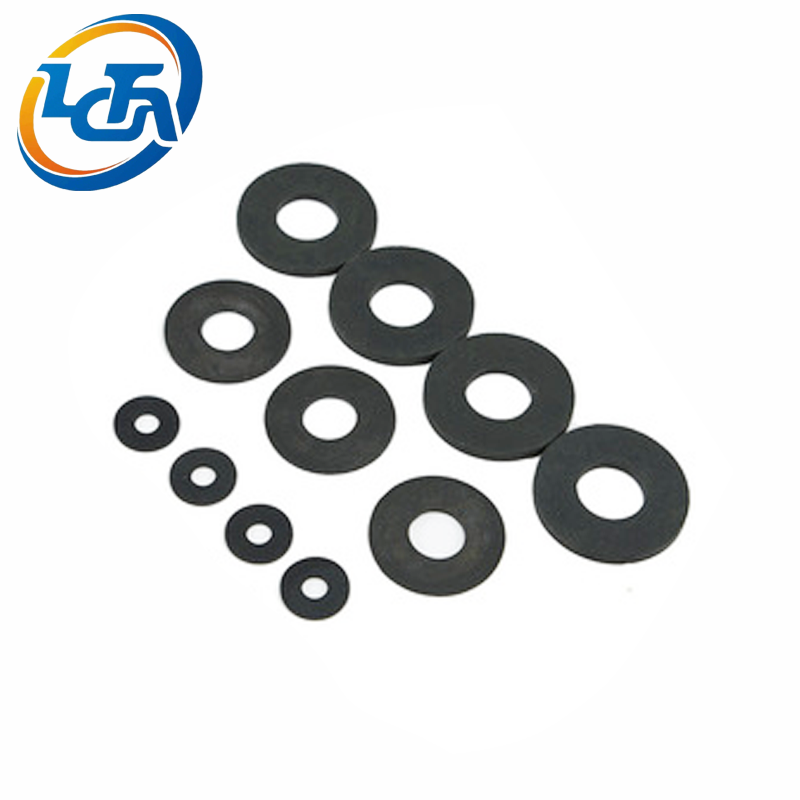
Finding reliable food grade rubber washer suppliers comes down to verifying three core criteria: regulatory compliance, manufacturing hygiene controls, and technical documentation. Food grade rubber washers sit in beverage dispensers, commercial pumps, fluid filling machinery, and processing equipment, where an unverified material choice can contaminate product lines, trigger costly recalls, or fail regulatory audits. This practical supplier qualification guide outlines how to screen custom rubber manufacturers with confidence instead of relying on generic marketing claims.
Step One: Define Your Regulatory Compliance Requirements First
Before reaching out to custom rubber manufacturers, establish the exact food-contact regulations governing your destination market. In the United States, FDA 21 CFR 177.2600 is the standard benchmark for rubber articles intended for repeated use; in the European Union, Framework Regulation EC 1935/2004 and German BfR recommendations apply. System application also dictates compliance depth: washers contacting direct food products, potable water, or indirect equipment splash zones require different compound certifications. Including specific regulatory standards in your initial sourcing inquiry ensures suppliers respond with certified compound grades rather than generic food-safe assurances.
Step Two: Screen Elastomer Materials Against Operating Media
Food grade rubber washers are primarily produced from Silicone, EPDM, or Nitrile (NBR), with each elastomer serving distinct fluid and thermal environments. Food-grade Silicone handles extreme temperature variations and repeated steam sterilization cycles, making it the preferred choice for direct food contact and sanitary equipment. EPDM provides superior resistance to hot water, steam, and CIP cleaning chemicals, serving as an industry standard in brewing and beverage lines. NBR offers oil and grease resistance for processing fatty foods or lubricating food-machinery components. Requesting technical material data sheets (TDS) verifying durometer, thermal limits, and media compatibility prevents early compound degradation.
Step Three: Verify Manufacturing Hygiene and Cross-Contamination Controls
Material compliance must be supported by cleanroom or segregated manufacturing practices. Food grade rubber washers produced on shared equipment alongside industrial black rubber compounds risk carbon black or phthalate cross-contamination. Qualified manufacturers enforce segregated compound mixing, dedicated molding presses, and isolated material storage bins. Evaluating a supplier's shop floor hygiene, equipment cleaning logs between batches, and post-molding packaging procedures ensures that the finished washers maintain cleanliness standards from vulcanization to delivery.
Step Four: Audit Material Testing Capabilities and Quality Documentation
The distinction between an established custom manufacturer and an unverified reseller shows in technical documentation depth. Reliable suppliers provide lot-specific declarations of compliance (DoC), FDA material test reports, and dimensional inspection certificates. Inquire about internal testing procedures for Shore A hardness, dimensional tolerances, and compression set, or request third-party laboratory extractable testing for high-risk applications. Maintaining complete documentation and lot traceability from raw polymer batches to final shipments ensures full audit readiness for your quality team and downstream customers.
Step Five: Evaluate Engineering Communication and Technical Responsiveness
Food-contact applications frequently involve regulatory updates, drawing revisions, and custom tooling audits, making clear engineering communication essential. Assess how promptly a supplier responds to technical inquiries, whether their engineering team proactively flags manufacturability or compliance concerns, and how they manage sample evaluation protocols. Partnering with a manufacturer that offers direct technical support, custom tooling capabilities, and transparent quality records streamlines long-term production and simplifies supply chain management.
Practical Sourcing Example: Beverage Equipment Washer Qualification
A commercial beverage dispenser manufacturer required food-grade EPDM washers capable of withstanding hot water sanitization cycles. The procurement team issued an inquiry specifying FDA 21 CFR 177.2600 compliance, hot water exposure parameters, and strict dimensional tolerances. While three vendors offered generic quotes without technical data, the selected custom manufacturer submitted a certified EPDM data sheet, answered specific sanitizer compatibility questions, and provided a formal lot inspection plan. Prototype samples successfully completed 500 hot-water thermal shock cycles, leading to a long-term production agreement backed by lot-level compliance documentation.
Frequently Asked Questions
What materials are commonly used for food grade rubber washers?
Silicone, EPDM, and NBR are the primary elastomers used for food grade washers. Silicone excels in extreme heat and direct food contact, EPDM resists hot water, steam, and cleaning chemicals, and NBR handles oily and fatty food processing applications.
Is FDA compliance the only requirement for food grade rubber seals?
No. FDA 21 CFR 177.2600 applies specifically to the US market. The European market requires compliance with EC 1935/2004 framework regulations, while drinking water applications may require specialized certifications such as NSF/ANSI 61 or WRAS.
Can any industrial rubber manufacturer produce food grade washers?
No. Manufacturing food-contact rubber parts requires certified compliant raw compounds, segregated mixing and molding facilities to prevent industrial cross-contamination, documented hygiene procedures, and traceable quality documentation.
Table of Contents
- Step One: Define Your Regulatory Compliance Requirements First
- Step Two: Screen Elastomer Materials Against Operating Media
- Step Three: Verify Manufacturing Hygiene and Cross-Contamination Controls
- Step Four: Audit Material Testing Capabilities and Quality Documentation
- Step Five: Evaluate Engineering Communication and Technical Responsiveness
- Practical Sourcing Example: Beverage Equipment Washer Qualification
- Frequently Asked Questions


