 EN

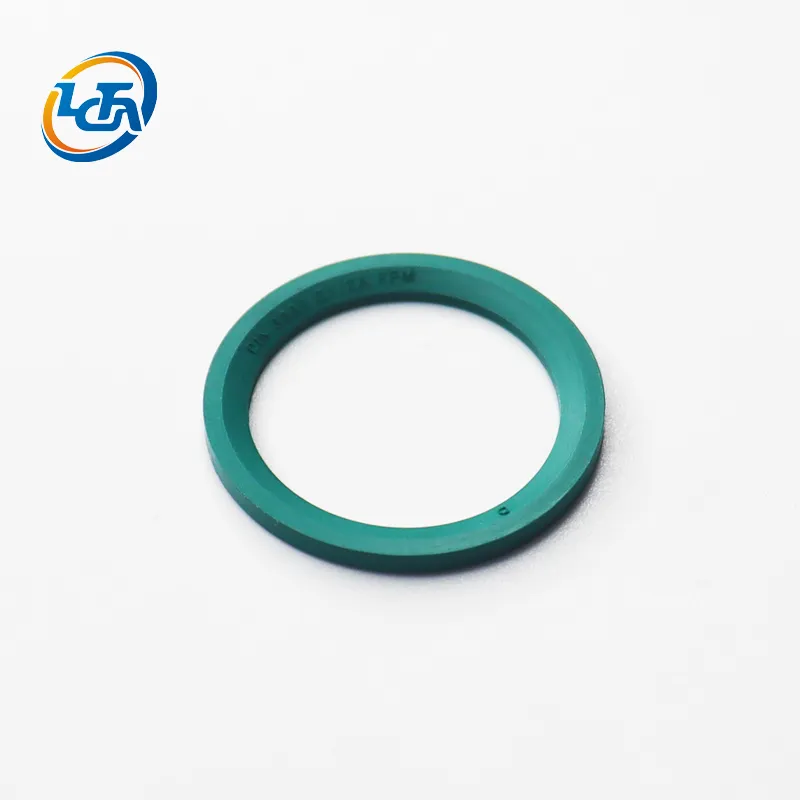
What Makes a Silicone Washer Different From a Standard Washer
A washer looks like the simplest part in a bill of materials, which is exactly why custom silicone washers are so often ordered badly. A standard washer is defined by a nominal size, but a silicone washer that has to seal, insulate, or cushion is defined by five things at once: inner diameter, outer diameter, thickness, hardness, and material grade. Change any one of them and the part behaves differently under the same bolt. Silicone adds a further consideration because it is soft and compliant, so a washer that is correct on paper can still spread, extrude, or tear when the fastener is tightened. Ordering a custom silicone washer is therefore less about picking a size and more about describing the job the silicone washer has to do.
The Three Dimensions That Decide Fit
Fit comes down to three dimensions, and each has a different failure mode when it is wrong. The inner diameter must clear the fastener or the stud; too small and the silicone washer will not seat, too large and it will not centre. The outer diameter sets the bearing area; too small and the silicone washer concentrates load and deforms the panel, too large and it may foul a neighbouring component or overhang a recess. The thickness controls how much compression is available; too thin and the silicone washer cannot conform to an uneven surface, too thick and it may prevent the fastener from reaching its torque or leave a visible gap. Tolerance on all three matters more for silicone than for a metal washer, because a soft part deforms into whatever clearance exists rather than holding its shape. That is why the three dimensions of a silicone washer should be checked against the actual joint rather than copied from a catalogue page.
Hardness and Compression Under Bolt Load
Hardness is the variable most often left to the supplier, and it is the one that most often explains a complaint. Standard production covers roughly 30 to 90 Shore A, and within that range a silicone washer can be soft enough to seal a rough casting or firm enough to resist being squeezed out from under a bolt head. A soft silicone washer conforms well and seals at low load, but it also takes a permanent set and may need re-torquing. A harder silicone washer holds its thickness and resists extrusion, but it may not seal an uneven surface at all. The right value depends on the bolt load, the surface finish, and whether the washer must also insulate or cushion. Buyers should state the load and the surface condition, not just the hardness number, so the choice can be checked against the real joint.
When Silicone Is the Right Washer Material
Silicone is the right choice when temperature range, weathering, or electrical insulation dominates. It stays flexible from roughly -60 to 200 degrees Celsius, resists ozone and ultraviolet light better than NBR, and is a good electrical insulator, which makes it useful where a silicone washer must isolate a fastener from a conductive panel. It is the wrong choice where petroleum oil, fuel, or grease is present, because silicone swells and softens in hydrocarbons. For oil contact, NBR is the usual answer; for water, steam, and outdoor service at moderate temperature, EPDM is often adequate and less costly; for hot oil and aggressive chemistry, FKM is the appropriate grade. A silicone washer specified for an oil-wet joint is one of the more common and more avoidable material errors.
Ordering From a Drawing, a Sample, or a Sketch
Most suppliers accept a 2D drawing in PDF or CAD, a 3D model in IGES or STEP, or a physical sample, and a hand sketch with measured dimensions is often enough to start a quotation. What matters is that the functional dimensions are marked rather than left implicit. Where only a sample exists, the supplier can measure it and produce a drawing for confirmation before tooling. Buyers should ask whether the quotation assumes an existing mold or a new one, because that single question often explains a large price difference between suppliers. They should also confirm the sampling arrangement: a sample batch produced on the production mold is the only reliable way to check hardness, thickness, and fit before a volume order.
A Custom Washer Scenario
Consider a panel builder that kept finding water inside an outdoor enclosure after rain. The fasteners were fitted with standard metal washers and a separate gasket ran around the door, but the leak traced back to the bolt holes rather than the door seal. The washers had been chosen for size alone, with no sealing function and no hardness specification. Replacing them with custom silicone washers sized to the bolt and the hole, at a hardness that compressed against the panel without extruding, sealed the fastener line and also isolated the fasteners from the metal panel. The fix cost less than the repeated call-outs, and it came from treating the silicone washer as a sealing element rather than as hardware.
A Washer Order Checklist
Before ordering a custom silicone washer, record the fastener or stud diameter, the hole diameter in the panel, the required outer diameter, the thickness, and the hardness with the reason. State the bolt load or torque if it is known, the surface finish of the mating parts, the working and peak temperature, and the media the washer will contact. Confirm whether the silicone washer must seal, insulate, cushion, or only space. Provide a drawing, a 3D model, or a sample with measured dimensions, and mark which dimensions are functional. Ask whether the quoted price assumes an existing mold, and confirm that the sample will be produced on the production mold. For repeat orders, ask that the same grade and hardness be used in every batch, since a silent change alters both fit and sealing behaviour.
Questions Buyers Ask About Custom Silicone Washers
Can a silicone washer replace a metal washer? Only where the joint does not rely on the washer for stiffness or load spreading. Silicone is soft and will deform under a bolt, so it suits sealing, insulating, and cushioning duties rather than structural spacing. What hardness should a sealing washer be? It depends on the bolt load and the surface. A softer washer seals an uneven surface at low load but takes a set, while a harder one holds thickness and resists extrusion. The load and surface finish should be stated so the hardness can be checked against the joint. Is silicone suitable for a washer exposed to oil? Generally no. Silicone swells and softens in petroleum oils and fuels. NBR, HNBR, or FKM are the usual choices for oil-wet fasteners, with FKM preferred at higher temperature.
Table of Contents
- What Makes a Silicone Washer Different From a Standard Washer
- The Three Dimensions That Decide Fit
- Hardness and Compression Under Bolt Load
- When Silicone Is the Right Washer Material
- Ordering From a Drawing, a Sample, or a Sketch
- A Custom Washer Scenario
- A Washer Order Checklist
- Questions Buyers Ask About Custom Silicone Washers


