 EN

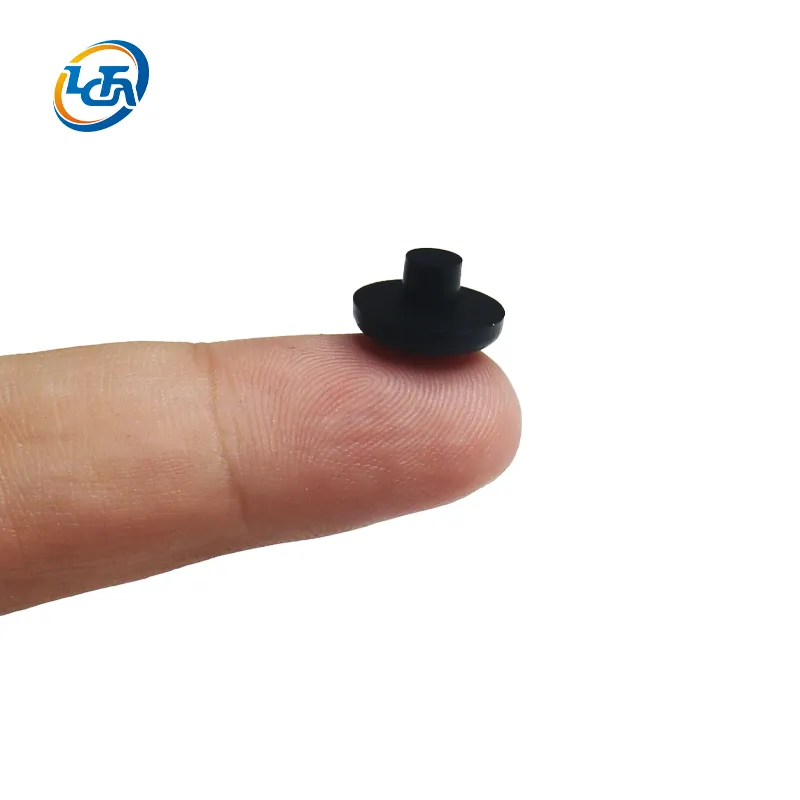
What a Rubber Stopper Has to Do in a Medical Device
A rubber stopper is a small, low-cost component, but in a medical device it carries a disproportionate share of the risk. It has to close a port or a container reliably, it has to stay clean, and it has to remain compatible with whatever it touches, including cleaning agents and the sterilization method used. Unlike an industrial plug, a rubber stopper in a medical application is also judged on what it does not release into the product. That is why the question "which rubber stopper is best" cannot be answered with a single material. The answer depends on what the rubber stopper contacts, how the device is sterilized, how many times it is used, and which documents the device manufacturer's own compliance process requires. Answering that question for a rubber stopper means starting from the device rather than from a material catalogue.
Stopper Types and Where Each One Fits
The range of rubber stoppers is wider than the name suggests, and the differences matter functionally. A solid rubber stopper is a simple plug used to blank a port or protect a bore during transport and storage. A pierced rubber stopper carries a centre hole so a needle, probe, or tube can pass through while the rubber still grips and reseals around it. A flanged rubber stopper has a lip that seats against a rim, which limits insertion depth and gives a defined sealing face. A tapered plug relies on a matching taper for grip and is common on containers and fittings where the rubber stopper is pushed in by hand. Each rubber stopper type places different demands on hardness: a pierced stopper in a very soft compound may tear at the hole, while a solid stopper in a very hard compound may not compress enough to hold. Specifying the type before the material is therefore the correct order of decisions.
Material Choice Between Silicone, EPDM and NBR
Three elastomers cover most medical stopper requirements, and the choice follows the sterilization route and the contact surface. Silicone rubber, or VMQ, stays flexible from roughly -60 to 200 degrees Celsius and is chemically stable and relatively inert, which is why it is widely used where the rubber stopper contacts a product or must survive repeated high-temperature cycles. EPDM handles water, steam, ozone, and weather well and is often chosen for steam-sterilized or washdown-exposed components, but it is not suitable for petroleum oils. Nitrile, or NBR, resists oil and fuel across roughly -30 to 100 degrees Celsius and suits mechanical components inside equipment rather than product-contact positions. Fluororubber, FKM, extends to about -20 to 200 degrees Celsius with strong chemical resistance where aggressive media are involved. Hardness is quoted in Shore A, standard production covers roughly 30 to 90 Shore A, and colour can be specified where identification is needed.
Cleanliness, Sterilization and What Medical Grade Actually Means
"Medical grade" is often used as if it were a single certificate, and it is not. There is no one rubber grade that is automatically suitable for every medical use; suitability depends on the specific material, the specific contact, and the specific sterilization method. What a buyer can do is define the conditions and ask for evidence. That means stating the sterilization method and peak temperature, the number of cycles, the cleaning agents used between uses, and whether the rubber stopper contacts the product, a patient, or only the outside of a container. Repeated cycles, not a single exposure, are what age a rubber stopper, so the number of cycles belongs in the specification. Cleanliness requirements, handling, and packaging should also be stated at the enquiry stage, because they affect how the part is produced and packed, not only which compound is used.
The Documents to Request Before You Order
Because the buyer, not the rubber supplier, usually owns the compliance assessment for the finished device, the practical task is to request the material documentation that supports it. Ask for the material grade of the rubber stopper and its declaration, the hardness in Shore A, the rated temperature range, and any test documents the material manufacturer provides for that specific grade. Confirm that the documents cover the exact grade being purchased rather than a similar grade from the same family. Ask which quality system the part is produced under, since suppliers operating to ISO 9001 provide a documented baseline for consistent production, and check any CE and RoHS documentation against your own requirements rather than accepting it as sufficient. Where traceability is required, confirm that a delivered batch can be linked to a production record, and ask how material or process changes are notified.
A Procurement Scenario
Consider a device maker preparing a new assembly that includes a pierced silicone stopper through which a probe passes. The first quotation offered a rubber stopper of the right shape but with no material statement, so the engineering team could not confirm the temperature rating against the sterilization cycle. On requesting the grade, hardness, and rated range in writing, it emerged that the proposed compound was a general-purpose silicone without the information needed for the device file. Specifying a grade with a stated temperature range, confirming the hardness suited to the pierced geometry, and agreeing the document set before production resolved the gap. The shape had never been the problem. The missing information was, and it would have surfaced during the device's own compliance review rather than at the supplier.
How to Assess a Supplier for Medical Stoppers
Ask five questions. Which materials can the supplier offer, and can it explain the choice for a given sterilization and contact profile? Which quality systems and certificates apply, and are the documents available for review? How is traceability handled, and can a delivered batch be linked to a production record? How are material or process changes managed and communicated? Can a sample rubber stopper be produced for evaluation before mass production, and which drawing formats are accepted? A supplier with in-house rubber mixing and mold teams can often answer the material questions directly, because the compound and the mold are developed by the same organisation. The order workflow should also be clear, from requirement through quotation, confirmed delivery, production, and shipping, because a rubber stopper that arrives after a sterilization run has been scheduled is a problem regardless of its quality.
Questions Buyers Ask About Medical Rubber Stoppers
Is silicone always the best material for a medical rubber stopper? No. Silicone is widely used because of its temperature range and chemical stability, but EPDM is often preferable for steam-sterilized parts and NBR suits internal mechanical components. The right choice follows the sterilization method and what the stopper contacts. Does a certificate make a rubber stopper suitable for medical use? No. A certificate is evidence about a material or a quality system, not a statement that the part suits a particular device. Suitability depends on the specific grade, the contact, the sterilization profile, and the documents supporting the device's own assessment. Can a pierced stopper be supplied in a soft grade? It can, but the hole becomes a weak point. A very soft compound may tear at the pierce or lose its grip after repeated needle entry, so hardness and hole geometry should be decided together and checked on a sample.
Table of Contents
- What a Rubber Stopper Has to Do in a Medical Device
- Stopper Types and Where Each One Fits
- Material Choice Between Silicone, EPDM and NBR
- Cleanliness, Sterilization and What Medical Grade Actually Means
- The Documents to Request Before You Order
- A Procurement Scenario
- How to Assess a Supplier for Medical Stoppers
- Questions Buyers Ask About Medical Rubber Stoppers


