EN
EN

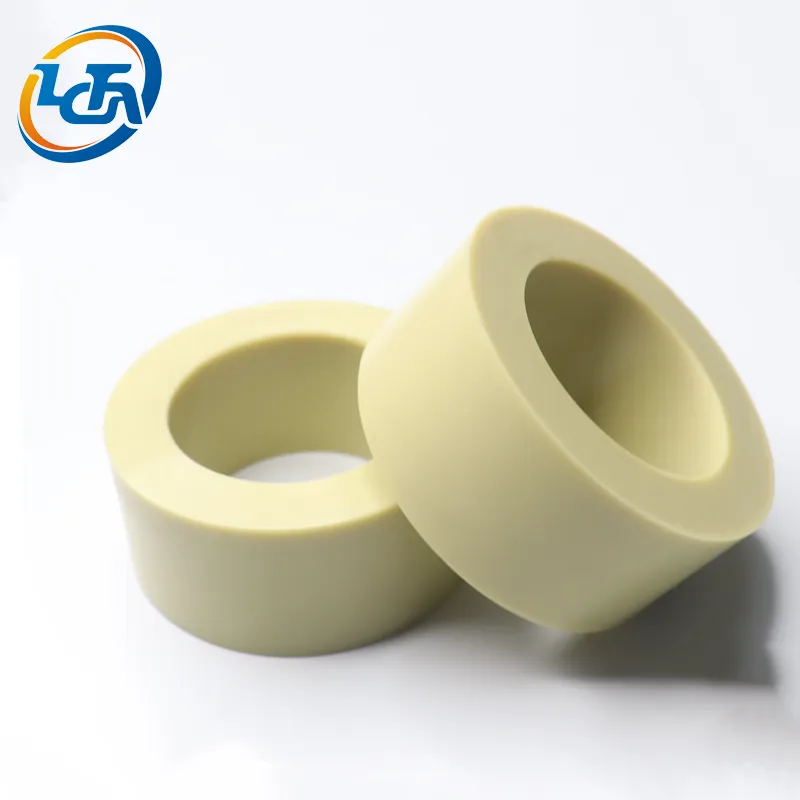
Why Medical-Grade Silicone Is the Preferred Material for Biocompatible Sealing
Understanding Medical Device Sealing Requirements and Material Biocompatibility
For medical devices, finding materials that can handle both physical stress and biological compatibility is essential. Medical grade silicone checks these boxes thanks to its remarkable resistance to breakdown when exposed to body fluids and common hospital disinfectants, even at temperatures reaching around 300 degrees Fahrenheit or 150 Celsius. What makes this material stand out compared to other plastics? It doesn't give off dangerous substances over time, staying safe even after going through over a thousand sterilizations. This performance aligns with FDA regulations found in section 21 CFR 177.2600, which sets the bar for materials that will touch human tissue repeatedly without causing harm.
Why Silicone Products Outperform Other Elastomers in Critical Medical Applications
When put through comparison tests, silicone shows remarkable durability maintaining around 95% compression recovery even after ten years or more in dynamic seal applications critical for things like infusion pumps and respirators. The material's natural resistance to water means microbes stick to it about four times less than they do on other porous materials. Plus, silicone stays flexible down to an impressive -148 degrees Fahrenheit (-100 Celsius), making it work well in refrigerated storage conditions where many medical supplies need to be kept. No wonder then that according to Medical Materials Quarterly from last year, roughly 8 out of 10 Class II medical devices that come into contact with fluids actually call for silicone seals specifically.
The Role of Biocompatible Seal Materials in Patient Safety and Regulatory Compliance
Getting biocompatible materials right matters a lot these days. Standards like USP Class VI and ISO 10993-5/10 demand thorough testing for things like cell toxicity, allergic reactions, and skin irritation before any product gets approved. When it comes to making medical devices, manufacturers adjust the hardness levels between around 20 to 80 on the Shore A scale. This helps protect tissues from damage when implanted but still keeps those dialysis machine seals strong enough to handle pressures above 500 psi. Finding this sweet spot makes all the difference for getting FDA approval on devices that stay inside patients for more than 30 days straight. According to research published in the Journal of Biomedical Materials Research back in 2022, this approach cuts down hospital infections caused by foreign bodies by about two thirds compared with other materials that aren't silicone based.
Key Material Properties of Medical-Grade Silicone Enabling Effective Sealing
Durability and Flexibility of Silicone Rubber in Dynamic Sealing Environments
Medical-grade silicone withstands over 1 million compression cycles (per ASTM D4169), outperforming conventional rubber in repeatedly sterilized devices. With elongation capacity of 300–600%, it resists cracking in moving pump components and retains shape memory after deformation, ensuring long-term seal integrity.
Hydrophobic Nature of Silicone and Its Contribution to Watertight Seals
Silicone’s non-polar molecular structure results in water contact angles exceeding 110°, enabling natural fluid repellency. This property is crucial in IV connectors and dialysis machines, where it reduces biofilm formation risk by 60% compared to hydrophilic materials, as demonstrated in CDC-compliant studies.
Solid vs. Liquid Silicone Rubber (LSR): Performance in High-Precision Medical Devices
Liquid silicone rubber, or LSR as it's commonly called, provides incredible precision at the micron level during injection molding processes. This makes it particularly well suited for things like implantable drug reservoirs and those tiny microfluidic channels we see in medical devices. On the other hand, solid silicone has some serious advantages when it comes to durability. The tear strength is pretty impressive, around 40 newtons per millimeter actually, which is why many manufacturers choose it for surgical tool gaskets that need to withstand repeated use. Both materials satisfy the strict USP Class VI standards required for biomedical applications. What sets LSR apart though is its remarkably low viscosity range of about 0.1 to 0.5 pascal seconds, allowing engineers to create complex sealing shapes that would be impossible with other materials.
Balancing Softness for Patient Comfort With Tensile Strength for Long-Term Performance
Advanced formulations achieve hardness levels between 20–80 Shore A—soft enough for neonatal CPAP masks yet strong enough for pacemaker lead seals. Proprietary curing techniques yield tensile strengths up to 12 MPa while maintaining interfacial pressures below 50 mN/cm², minimizing trauma during prolonged skin contact.
Compression Molding for Consistent Production of Silicone Gaskets and O-Rings
Compression molding continues to be a go-to approach when manufacturers need to produce large quantities of standard silicone seals such as gaskets and O rings. The process involves putting pre measured material into a hot mold where it gets pressed and cured. Manufacturers have made some improvements recently that cut down on how long each cycle takes, somewhere around 12 to maybe even 18 percent according to industry reports from 2024. What's really impressive though is that these changes haven't affected quality at all the parts still maintain less than 2% variation between batches which means they keep their hardness level (durometer) and shape consistency across different production runs.
Liquid Silicone Injection Molding for Complex, Precision-Critical Geometries
When dealing with those tricky medical seals that have tiny channels or complicated undercuts, liquid silicone injection molding (LSIM) really shines when it comes to getting down to the micron level of detail. The process involves injecting this low viscosity silicone material at temperatures between around 150 and 200 degrees Celsius, which allows manufacturers to create walls that are incredibly thin, sometimes just 0.2 millimeters thick. According to a recent study published in 2023 on biocompatibility issues, these LSIM made seals actually ended up with about 40 percent fewer surface flaws compared to what we see with traditional compression molding techniques. This matters a lot for things like implantable drug delivery systems and various types of cardiovascular monitoring devices where even small imperfections can be problematic.
RTV (Room Temperature Vulcanized) Silicones for Custom Form-in-Place Seals
RTV silicones cure at ambient temperatures, allowing direct application on assembled devices. This eliminates tolerance stacking issues and has been linked to a 28% reduction in seal-related failures in custom MRI components. Two-part RTV systems are especially useful in prototyping and low-volume runs requiring very soft seals (Shore A < 30).
Overmolding Silicone Onto Thermoplastics for Multi-Material Sealing Solutions
Overmolding bonds medical-grade silicone directly to rigid thermoplastics like PEEK or polycarbonate during molding, enhancing seal integrity and reducing assembly steps. Peel strengths exceed 4.5 kN/m, and this method now features in 62% of new insulin pump designs, according to recent FDA 510(k) clearances for wearable drug delivery systems.
Critical Applications of Silicone Seals Across Medical Devices
Silicone Gaskets and O-Rings in Devices Requiring Repeated Sterilization Cycles
Medical-grade silicone excels in equipment subjected to frequent sterilization via autoclaving, chemicals, or radiation. It maintains performance across 1,000+ cycles—the typical lifespan of reusable hospital devices—while resisting compression set and preserving critical seal geometry despite thermal stress. This makes it essential for surgical instruments, endoscopes, and diagnostic tools.
Sealing Solutions in Dialysis Machines, Infusion Pumps, and Respirators
In life-support systems, silicone ensures:
- Leak-free operation in dialysis blood circuits under pressures exceeding 40 PSI
- Precise drug delivery in infusion pumps meeting ±1% accuracy requirements
- Air-tight interfaces in ICU ventilators
Its hydrophobic nature prevents fluid wicking in filters, and its wide operational range (-50°C to 230°C) accommodates both cold storage and heat-based sterilization.
Emerging Uses in Wearable Sensors and Implantable Drug Delivery Systems
Advancements in medical-grade silicone enable next-generation applications such as:
- Continuous glucose monitor patches that remain adhered through perspiration
- Subdermal contraceptive implants designed for three or more years of biocompatibility
- Microfluidic drug reservoirs with leakage tolerances below 0.01 ml/day
These leverage silicone’s gas permeability for sensor function and MR-safety for compatibility with imaging modalities.
Case Study: Silicone Sealing Components in Ventilator Circuits During Pandemic Surges
During the surge in ventilator production due to the pandemic, manufacturers adopted medical silicone for:
- Reusable breathing circuit connectors requiring durability over 5,000 cycles
- Emergency intubation mask cushions meeting ISO 5356-1 compliance
-
High-frequency oscillation ventilator diaphragms operating above 50 Hz
Post-crisis analysis revealed 99.97% seal reliability across 2.1 million ventilator-days—demonstrating superior performance under sustained emergency conditions compared to alternative elastomers.
Regulatory Standards and Testing for Biocompatible Silicone Seal Materials
Meeting USP Class VI and ISO 10993-5/10 Biocompatibility Requirements
Silicone needs to go through specific tests before it can be considered medical grade material. These include USP Class VI standards along with ISO 10993-5/10 requirements covering things like whether cells die when exposed (cytotoxicity), if skin reactions happen (sensitization), and what happens throughout the body (systemic toxicity). For USP Class VI certification, there are actual implantation tests plus irritation checks that simulate how materials react after being inside someone's body for around a week to two weeks. According to recent industry reports from 2023, more than 8 out of every 10 FDA approved medical devices that use silicone seals already meet the newer ISO 10993-10 guidelines regarding skin reactions. This matters because these seals need to work safely even when exposed to extreme acid or alkaline conditions ranging from pH level 2 all the way up to 12. That kind of reliability is absolutely essential for critical applications like catheters and blood pumps where failure simply isn't an option.
Long-Term Stability Under Steam Autoclaving and Chemical Disinfection
Silicone can handle well over 100 cycles of steam sterilization at around 134 degrees Celsius before showing much wear and tear, which is way better than most thermoplastic elastomers that tend to break down after about 50 cycles. The material also absorbs almost no water content, less than 0.1 percent actually, making it pretty resistant to microbial buildup on those critical gasket areas of surgical instruments. Research has shown that even after multiple rounds of hydrogen peroxide vapor sterilization, silicone still holds onto about 95% of its original tensile strength. This kind of durability matters a lot for robotic surgery equipment where materials need to maintain their integrity through countless sterilizations. A recent study published in the Journal of Medical Materials Science back in 2024 supports these findings.
| Property | Steam Autoclaving (20 cycles) | EtO Sterilization | Glutaraldehyde Soak (72h) |
|---|---|---|---|
| Shore A Hardness Change | ±2 points | ±1 point | +3 points |
| Compression Set | 15% max | 12% max | 18% max |
| Extractables | <50 µg/g | <30 µg/g | <75 µg/g |
Strategies for Passing Extractables and Leachables Testing in Implantable Devices
To cut down on those pesky leachable siloxanes, most manufacturers have switched from peroxide-based methods to platinum catalyzed curing processes. This change actually brings down residual monomers by around 70 percent according to ASTM standards F1983-22. When it comes to things like brain implants or heart pacemakers, the industry relies heavily on what's called ultra high purity silicone materials. These special grades contain under 10 parts per million in total extractables, which is pretty impressive when considering how sensitive these medical devices need to be. And there's one more step manufacturers take after production too. They subject the materials to extended post curing temperatures of about 200 degrees Celsius for several hours beyond the initial process. This extra treatment helps eliminate even more volatile compounds so they comply with those strict ISO 10993-17 guidelines regarding long term implant safety.
FDA Trends: Rising Approvals for Long-Term Indwelling Devices Using Medical Silicone
The FDA cleared 142 silicone-sealed implantable devices in 2023—a 35% increase since 2020—including gastric stimulators and intrathecal drug delivery pumps. This growth reflects confidence in silicone’s performance in long-duration applications, with failure rates five times lower than polyurethane alternatives in ventricular assist device diaphragms (FDA MAUDE Database, 2024).
FAQ
What are the key advantages of using medical-grade silicone over other materials in medical devices?
Medical-grade silicone offers superior biocompatibility, durability, and resistance to breakdown under exposure to bodily fluids and hospital disinfectants, maintaining integrity even after numerous sterilizations.
How does silicone perform in dynamic sealing applications?
In dynamic seals, silicone maintains high compression recovery, resists microbial attachment, stays flexible under extreme temperatures, and offers long-term durability making it ideal for critical medical applications.
What regulatory standards must silicone meet for medical device applications?
Silicone must adhere to standards such as USP Class VI and ISO 10993-5/10, ensuring its safety in terms of cytotoxicity, sensitization, and systemic toxicity.
What is the importance of silicone's hydrophobic nature in medical applications?
Silicone's hydrophobic properties allow for effective fluid repellency, reducing biofilm formation and ensuring watertight seals in devices like dialysis machines and IV connectors.
Table of Contents
- Why Medical-Grade Silicone Is the Preferred Material for Biocompatible Sealing
-
Key Material Properties of Medical-Grade Silicone Enabling Effective Sealing
- Durability and Flexibility of Silicone Rubber in Dynamic Sealing Environments
- Hydrophobic Nature of Silicone and Its Contribution to Watertight Seals
- Solid vs. Liquid Silicone Rubber (LSR): Performance in High-Precision Medical Devices
- Balancing Softness for Patient Comfort With Tensile Strength for Long-Term Performance
- Compression Molding for Consistent Production of Silicone Gaskets and O-Rings
-
Critical Applications of Silicone Seals Across Medical Devices
- Silicone Gaskets and O-Rings in Devices Requiring Repeated Sterilization Cycles
- Sealing Solutions in Dialysis Machines, Infusion Pumps, and Respirators
- Emerging Uses in Wearable Sensors and Implantable Drug Delivery Systems
- Case Study: Silicone Sealing Components in Ventilator Circuits During Pandemic Surges
-
Regulatory Standards and Testing for Biocompatible Silicone Seal Materials
- Meeting USP Class VI and ISO 10993-5/10 Biocompatibility Requirements
- Long-Term Stability Under Steam Autoclaving and Chemical Disinfection
- Strategies for Passing Extractables and Leachables Testing in Implantable Devices
- FDA Trends: Rising Approvals for Long-Term Indwelling Devices Using Medical Silicone
-
FAQ
- What are the key advantages of using medical-grade silicone over other materials in medical devices?
- How does silicone perform in dynamic sealing applications?
- What regulatory standards must silicone meet for medical device applications?
- What is the importance of silicone's hydrophobic nature in medical applications?