 EN
EN

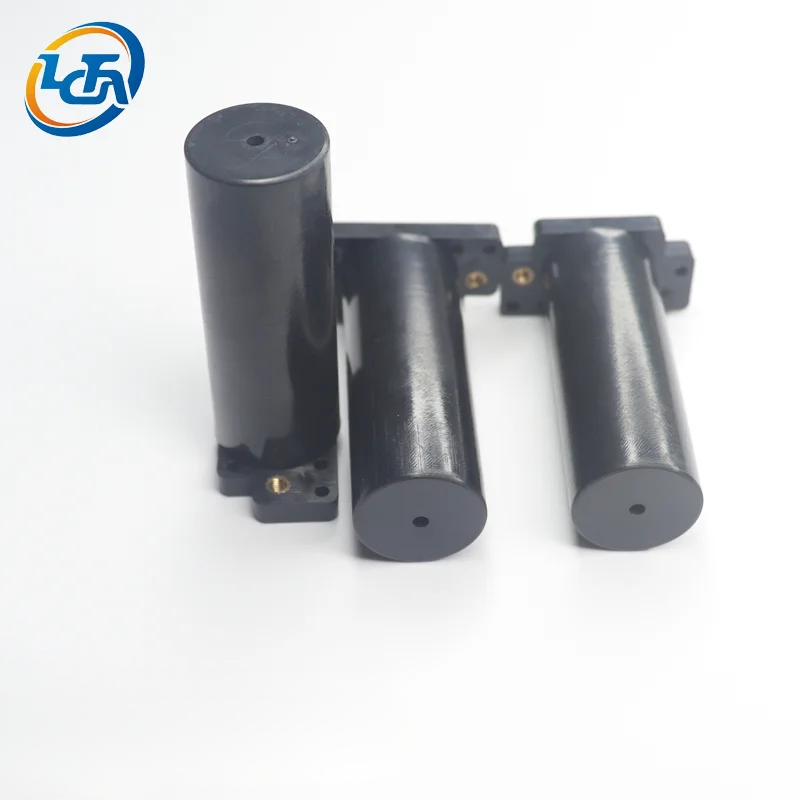
Rubber molded parts appear in nearly every industrial and consumer product, yet their role is often overlooked until a seal fails or a vibration damper wears out. From the gasket that prevents a hydraulic leak to the diaphragm that controls fluid flow in a medical device, rubber molded parts solve problems of sealing, damping, isolating, and protecting across dozens of industries. Unlike off-the-shelf standard seals, custom rubber molded parts are designed and manufactured to meet precise dimensional, material, and performance requirements for a specific application. Understanding the main uses helps buyers identify which type of molding process and material best suits their project needs.
Sealing applications in fluid and gas systems
The most common use for rubber molded parts is creating reliable seals in fluid and gas handling systems. Molded rubber gaskets, O-rings, and custom-shaped seals prevent leaks between mating surfaces in pumps, valves, pipe flanges, and hydraulic cylinders. Material selection depends on the fluid type: NBR rubber molded parts excel in petroleum-based fluid environments, EPDM is preferred for water, steam, and brake fluid systems, and FKM handles aggressive chemicals and high-temperature oil. The molding process must achieve consistent cross-section density and surface finish, as even microscopic voids can become leak paths under pressure. For critical applications such as natural gas distribution or aircraft hydraulic systems, molded seals are tested for compression set, hardness, and chemical compatibility per industry standards before production approval.
Vibration isolation and shock absorption
Rubber molded parts are widely used to isolate vibration and absorb impact energy in machinery, vehicles, and electronic equipment. Engine mounts, suspension bushings, equipment feet, and shock absorbers all begin as molded rubber components whose geometry and material formulation are engineered to match specific load and frequency ranges. In industrial machinery, molded rubber mounts reduce transmitted vibration from motors and pumps to building structures, lowering noise and extending equipment life. In electronics packaging, small molded rubber bumpers and grommets protect sensitive components from handling and shipping impacts. The key engineering parameters are dynamic stiffness, damping coefficient, and fatigue life under cyclic loading. A properly designed vibration isolation part can reduce transmitted vibration by 60 to 80 percent compared to rigid mounting, translating directly to longer equipment service intervals and quieter operation.
Electrical insulation and cable protection
In electrical and electronic products, rubber molded parts provide insulation, strain relief, and environmental sealing for connectors, cables, and terminals. Molded cable grommets, connector boots, and wire seals prevent moisture ingress and protect against abrasion where cables enter equipment housings. Silicone rubber molded parts are particularly valued in electrical applications for their high dielectric strength and ability to maintain insulation properties at elevated temperatures. Transformer bushings, switchgear seals, and high-voltage connector covers use molded EPDM or silicone for outdoor weather resistance combined with electrical insulation. The molding process must avoid internal voids or contamination that could create partial discharge paths, making quality control and clean-room-capable molding facilities important supplier selection criteria for electrical-grade rubber parts.
Fluid handling and diaphragm applications
Precision rubber molded diaphragms and flexible membranes control fluid and gas flow in pumps, valves, regulators, and metering devices. These thin, flexible components must withstand millions of flex cycles without cracking or losing their sealing characteristics. Materials are selected for both mechanical fatigue resistance and chemical compatibility with the process fluid; EPDM and FKM are common choices for fuel system diaphragms, while silicone is used in medical and food-grade fluid handling. The molding process must maintain uniform wall thickness throughout the diaphragm profile, as thickness variations create stress concentration points that lead to premature failure. In a typical industrial application, a molded rubber diaphragm in a pneumatic control valve may cycle over 10 million times over its service life, making fatigue testing a critical part of the quality assurance process.
Automotive and transportation components
The automotive industry is one of the largest consumers of rubber molded parts, with an average passenger vehicle containing several hundred individual molded rubber components. Beyond the obvious seals and gaskets, molded rubber parts appear in wiper blades, pedal covers, air intake ducts, CV joint boots, steering rack bellows, and weatherstripping profiles. Each part faces its own set of environmental challenges: under-hood components must resist oil and heat up to 150 degrees Celsius, exterior weather seals must survive UV exposure and temperature extremes, and chassis components endure road salt, stone impact, and continuous flexing. The transition to electric vehicles is creating new demands for rubber molded parts in battery pack seals, thermal management gaskets, and high-voltage connector insulation, where failure is not an option given the safety implications.
Medical device and food processing applications
Rubber molded parts for medical devices and food processing equipment must meet regulatory requirements that go beyond standard industrial specifications. Medical-grade molded parts may need USP Class VI certification for biocompatibility, ISO 10993 testing for cytotoxicity, and compliance with FDA 21 CFR for food contact materials. Silicone rubber is the dominant material in these applications because it can be formulated for medical certification, withstands repeated sterilization cycles by autoclave or gamma irradiation, and does not leach harmful substances. Typical medical molded parts include pump diaphragms, syringe plunger tips, valve seals, and respiratory device components. In food processing, molded rubber gaskets for dairy, beverage, and pharmaceutical equipment must resist aggressive CIP (clean-in-place) chemicals while maintaining seal integrity across wide temperature swings.
Industrial machinery and heavy equipment
Heavy industrial equipment relies on large rubber molded parts that are impractical to source as catalog items. Mining machinery uses molded rubber wear liners, screen panels, and impact pads that absorb the energy of falling rock and abrasive slurry. Construction equipment depends on molded rubber tracks, pads, and bumpers that survive extreme mechanical abuse. These large molded parts require substantial press capacity, specialized mold design for uniform curing, and material formulations optimized for tear strength and abrasion resistance rather than pure sealing performance. A supplier with experience in large-part compression molding and access to a range of compound formulations can provide parts that outlast generic alternatives by a factor of two or more in harsh operating conditions.
How are rubber molded parts different from extruded or die-cut rubber parts?
Molded rubber parts are formed by placing uncured rubber compound into a heated mold cavity under pressure, allowing complex three-dimensional shapes with varying cross-sections and integrated features such as ribs, lips, and mounting holes. Extruded rubber parts have a constant cross-section along their length, making them suitable for profiles and tubing but unable to produce three-dimensional geometries. Die-cut parts are stamped from sheet rubber and are limited to flat gasket shapes. Molded parts offer the greatest design flexibility but require mold tooling investment, making them most cost-effective for production quantities rather than one-off prototypes.
What is the typical lead time for custom rubber molded parts?
Lead time depends on mold complexity, material availability, and whether an existing mold can be modified. For a new custom part requiring a completely new mold, expect 3 to 6 weeks from drawing approval to first sample delivery. If the supplier has a matching existing mold that can be adapted, lead time may reduce to 2 to 3 weeks. Suppliers with in-house mold design and manufacturing teams can compress timelines compared to those outsourcing mold production. Pre-production samples should always be requested and tested before full production begins.
Can rubber molded parts combine multiple materials or include metal inserts?
Yes, rubber-to-metal bonding is a well-established process where rubber is molded directly onto a metal insert such as a threaded stud, bushing, or mounting plate. The metal surface receives a bonding agent before molding, and the heat and pressure of the molding process create a permanent chemical bond. Common examples include engine mounts with bonded steel sleeves, valve stem seals with metal reinforcement rings, and industrial bumpers with steel mounting plates. Co-molding multiple rubber materials is also possible using multi-shot injection molding processes, though this increases mold complexity and cost.
Table of Contents
- Sealing applications in fluid and gas systems
- Vibration isolation and shock absorption
- Electrical insulation and cable protection
- Fluid handling and diaphragm applications
- Automotive and transportation components
- Medical device and food processing applications
- Industrial machinery and heavy equipment


