 EN
EN

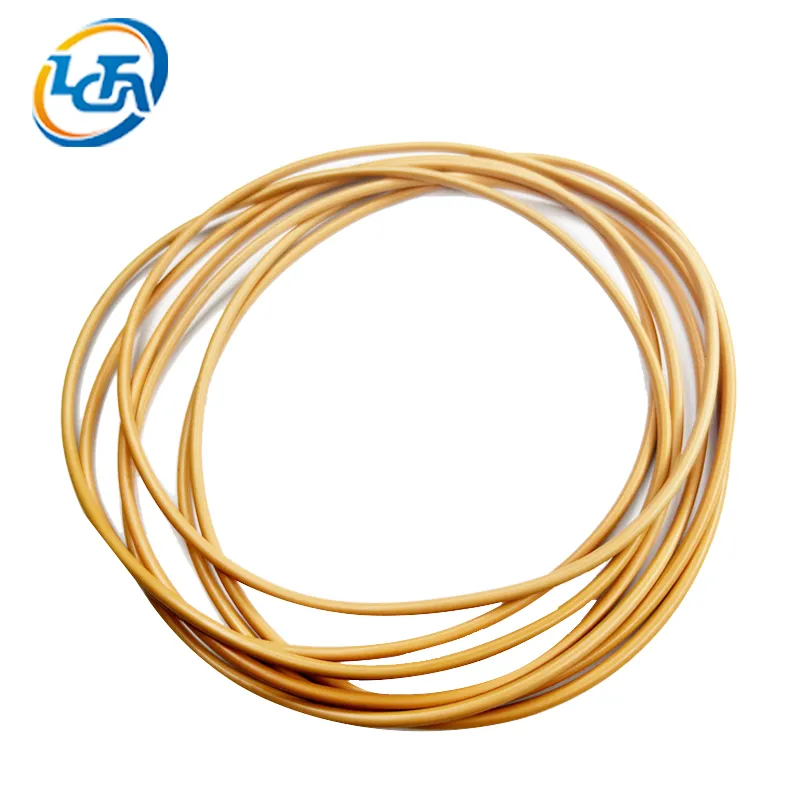
Modern plumbing systems depend on hundreds of connection points that must remain leak-free under varying pressure, temperature, and chemical conditions. At each of these joints, a small but critical component called a rubber ring creates the seal that prevents water, gas, or waste from escaping. Rubber rings used in plumbing take several forms: O-ring seals in faucet cartridges and valve stems, flat gasket rings in pipe flange connections, beveled rings in compression fittings, and specialized shapes for toilet flush valves and check valve seats. Despite their simple appearance, these rings must withstand years of exposure to chlorinated water, temperature cycling, pressure surges, and chemical cleaners without losing elasticity or developing leaks.
O-rings in faucet and valve applications
The most familiar plumbing rubber ring is the O-ring, a circular cross-section ring that fits into a groove machined into a valve stem, cartridge, or housing. When compressed between two surfaces, the O-ring deforms to fill the sealing gap, creating a barrier that prevents water from leaking along the stem or between body sections. In a typical kitchen faucet, three to six O-rings are at work, sealing the spout base, the cartridge housing, and the handle stem. Material selection is critical in these applications: NBR rubber rings work well for cold and hot water up to 100 degrees Celsius, while EPDM rubber rings are preferred for systems using chlorinated municipal water because EPDM resists degradation from chlorine and chloramine additives. The ring must also maintain its elasticity through repeated compression cycles; a faucet operated 40 times per day undergoes over 14,000 cycles per year, and low-quality rings that take a compression set will begin to seep within months.
Pipe joint and compression fitting seals
Plumbing systems connect pipes through threaded joints, compression fittings, push-fit connectors, and flanged connections, each requiring a specific type of rubber ring seal. In threaded connections, flat rubber washers and ring gaskets sit between the pipe end and the fitting shoulder, compressing as the nut is tightened to create a face seal. Compression fittings use beveled or tapered rubber rings that wedge between the pipe and fitting body, providing both a seal and mechanical grip on the pipe. Push-fit plumbing systems have gained popularity in residential and commercial construction because rubber ring seals inside the fittings allow pipes to be connected by simply pushing them together, eliminating the need for soldering or threading. These push-fit seals must hold against water pressure up to 16 bar while allowing for slight pipe misalignment and thermal expansion.
Drainage and waste system seals
Drainage plumbing presents unique challenges for rubber ring seals because wastewater carries debris, grease, and chemicals that can attack rubber over time. Sink drain assemblies use tapered rubber rings compressed between the sink basin and the drain flange, plus additional seals around the strainer basket. Toilet connections rely on large rubber rings called wax-free seals or foam rubber gaskets that compress between the toilet base and the floor flange, preventing sewer gas and water from escaping. These seals must resist hydrogen sulfide gas, cleaning chemicals, and the mechanical load of a person shifting weight on the toilet. In commercial and industrial drainage, rubber ring seals in couplings allow cast iron and PVC pipe sections to connect while absorbing vibration and accommodating minor ground settlement without cracking the rigid pipe material.
Hot water and heating system applications
Plumbing systems that handle hot water and heating present additional material demands for rubber ring seals. Domestic hot water circulates at 60 to 80 degrees Celsius, while hydronic heating systems may reach 90 degrees Celsius or higher. At these temperatures, standard NBR seals can harden and lose elasticity, so EPDM rubber rings are the standard choice for hot water circulation pumps, boiler connections, and radiator valve seals. EPDM maintains its mechanical properties up to 120 degrees Celsius and resists the oxygen and chemical additives found in closed-loop heating water. For solar thermal systems that can experience stagnation temperatures above 150 degrees Celsius, FKM or silicone rubber rings may be necessary for the collector loop connections. The thermal cycling that occurs in heating systems, where pipes expand and contract with each heating cycle, also stresses rubber ring seals through repeated compression and relaxation.
Material selection for plumbing rubber rings
Choosing the right rubber ring material for a plumbing application requires understanding the specific water chemistry and operating conditions. EPDM rubber rings offer the best all-around performance for potable water plumbing because they resist chlorine, chloramine, ozone, and hot water up to 120 degrees Celsius. NBR rubber rings provide excellent resistance to oils and greases, making them suitable for kitchen sink and garbage disposal connections where cooking oils may be present. Silicone rubber rings can handle extreme temperatures from minus 60 to 200 degrees Celsius and are sometimes used in steam applications, but they have lower tear strength than EPDM or NBR. In a typical municipal water supply, EPDM rings in faucets and valves can maintain effective sealing for 10 years or more when properly sized and installed, while NBR rings in the same application may show signs of hardening and surface cracking within 3 to 5 years due to chlorine exposure.
Practical considerations for sourcing plumbing rubber rings
When sourcing rubber rings for plumbing manufacturing or maintenance, several practical factors deserve attention beyond the base material selection. Dimensional accuracy is paramount; a rubber ring that is 0.3 millimeters undersized in cross-section may not compress sufficiently to seal, while one that is oversized can make assembly difficult or cause the fitting to crack under installation stress. Hardness specification affects both sealing performance and ease of installation, with plumbing rings typically ranging from 50 to 70 Shore A. Verify that the supplier can provide material certifications including NSF/ANSI 61 for drinking water contact or WRAS approval for UK water regulations if the rings will be used in potable water systems. Suppliers with ISO 9001 certification and experience producing plumbing-grade rubber components can provide lot traceability and consistent quality. For custom rubber ring dimensions, working with a manufacturer that offers in-house mold design and low minimum order quantities allows for practical prototyping and testing before committing to full production.


