 EN

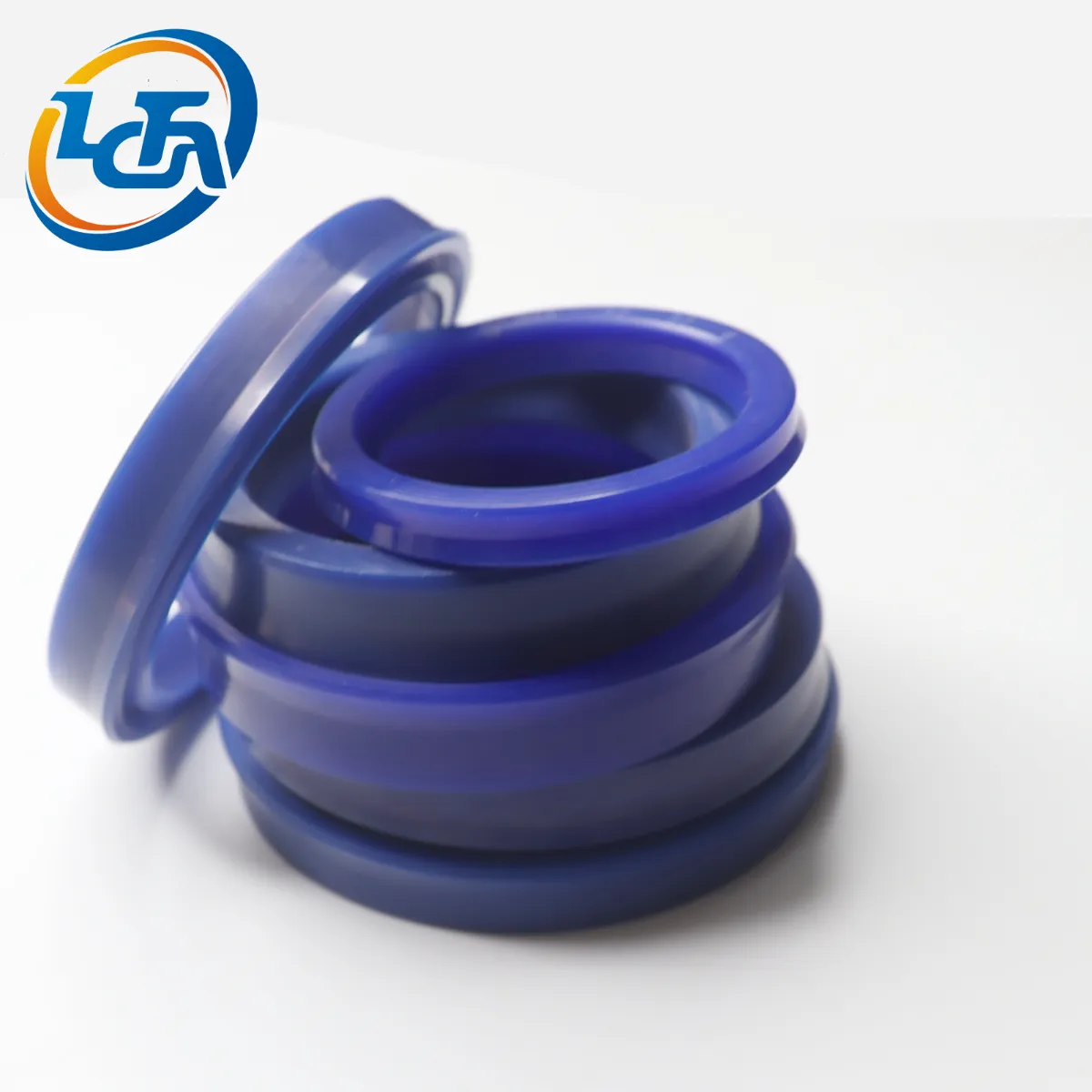
What a Seal Ring Custom Service Actually Covers
A seal ring looks like a simple circular seal ring, and that is exactly why buyers are often surprised when a standard size does not fit. A seal ring is defined by far more than its diameter: the cross-section, the groove it must sit in, the hardness, the compound, the surface finish, and the tolerance on each dimension all decide whether it seals or leaks. A genuine custom service therefore covers all of those variables rather than only the size. In practice, a manufacturer offering custom seal rings should be able to discuss four things with a buyer: the dimensions and tolerances of the ring, the compound and hardness, the tooling needed to produce it, and the sample and approval process before volume production. If any one of those is missing, the service is really just a catalogue with a size change.
Dimensions and Tolerances: Where Custom Work Begins
The first custom element is geometry. A seal ring is specified by inner diameter, outer diameter or cross-section, and, where relevant, a non-circular profile shaped for a particular groove or flange. Standard sizes cover a large share of common bores, and a manufacturer holding a large library of existing molds can often match them without new tooling, which shortens lead time and reduces cost. Outside those ranges, a non-standard seal ring is produced to the buyer's drawing or sample. Tolerance is part of the specification, not a detail to be settled later: a seal ring that is correct in diameter but outside tolerance on cross-section will change its squeeze and may leak. Buyers should state the critical dimensions explicitly and say which ones are functional rather than reference, so the supplier knows where inspection effort belongs.
Compound and Hardness Selection as Part of the Service
The second custom element is material. A seal ring in the wrong compound will fail regardless of how accurately it is machined or molded. Nitrile, or NBR, resists oil and fuel across roughly -30 to 100 degrees Celsius and is the standard choice for hydraulic and driveline duty. EPDM handles water, steam, ozone, and weather but not petroleum oils. Fluororubber, FKM, extends to about -20 to 200 degrees Celsius with strong chemical resistance. Silicone, or VMQ, stays flexible from about -60 to 200 degrees Celsius and suits wide temperature swings and food, medical, or electronic contact. SBR, HNBR, and FFKM cover abrasion, hydrogenated service, and extreme chemical duty. Hardness is quoted in Shore A and standard production covers roughly 30 to 90 Shore A, and it controls how the seal ring deflects and how well it resists extrusion into the gap. A supplier that can explain why one compound and hardness were chosen for a given duty is offering engineering support, not just order taking.
Tooling, Moulds and Minimum Order Reality
The third custom element is tooling, and it is where commercial expectations most often go wrong. A new mold adds a one-time cost and a lead time that a stock size does not carry, so using an existing mold for a standard geometry is usually the faster path. Where a new mold is unavoidable, the buyer should ask for the tooling cost to be quoted separately from the seal ring price, so it is clear what is paid once and what is paid per unit. Minimum order quantity follows the same logic: a low minimum makes a trial batch practical, but the unit price is normally higher than for a large run. For a seal ring that is critical to a machine, the sensible sequence is a small trial batch, a fit check in the real assembly, and then a production order, rather than committing to volume on the basis of a drawing alone.
Drawings, Samples and Approval Before Production
The fourth custom element is the design intake and approval process. Most manufacturers accept 2D drawings in PDF or CAD, 3D models in IGES or STEP, and physical samples, and can produce a drawing for confirmation when only a sample exists. Producing a sample seal ring before mass production is standard practice because squeeze, fit, and surface finish are easier to confirm on a physical seal ring than on a drawing. Buyers should ask how many sample iterations are included and whether the sample is produced on the production mold or on a temporary tool, since the two can behave differently. Approval should be recorded in writing against the agreed specification, so that a later batch can be checked against the same document.
A Replacement Scenario for an Imported Machine
Consider a plant maintaining an imported pump where the original seal ring was no longer available. The maintenance team had the failed seal ring, measured the groove, and noted the medium and working temperature. The supplier matched the dimensions to an existing mold, selected an NBR compound for the oil duty, and raised the hardness one step because the groove showed signs of extrusion at the edge. A small trial batch was produced on the production mold, fitted in the pump, and checked over a running period before a full order was placed. The value of the custom service was not only the new size. It was the combination of an existing mold that avoided tooling cost, a compound matched to the duty, and a hardness decision based on the failed seal ring rather than on a catalogue default.
How to Judge Whether the Service Is Real
Ask four questions. Can the supplier discuss compound and hardness for your duty, or only quote a size? How many molds are held, and how is a genuinely new geometry handled? Which drawing formats and sample options are accepted, and is the sample made on the production mold? What documentation accompanies the batch, and does it cover the exact grade purchased? A supplier working to ISO 9001 with CE and RoHS compliance provides a documented baseline, and those documents should still be checked against your own specification. A clear order workflow also matters: product requirement, quotation, confirmed delivery time, proforma invoice, production, shipping, and order completion. Where a seal ring is critical, that sequence is what makes the difference between a part that arrives on time and one that arrives after the machine has already stopped.
Questions Buyers Ask About Custom Seal Rings
Do I need a drawing to order a custom seal ring? Not always. A physical sample plus measured groove dimensions is often enough, and the supplier can produce a drawing for confirmation before tooling. A drawing is still preferable where tolerances are critical. How long does a new seal ring mold take? It depends on the geometry and the supplier's existing tooling. If an existing mold covers the size, lead time is short; a genuinely new profile adds tooling time and a one-time cost, which should be quoted separately from the part price. Can a seal ring be supplied in small quantities? Many manufacturers offer low minimum order quantities so a trial batch can be fitted and checked before a production order. The unit price is normally higher than for a large run, which is the trade-off for testing the part in the real assembly.
Table of Contents
- What a Seal Ring Custom Service Actually Covers
- Dimensions and Tolerances: Where Custom Work Begins
- Compound and Hardness Selection as Part of the Service
- Tooling, Moulds and Minimum Order Reality
- Drawings, Samples and Approval Before Production
- A Replacement Scenario for an Imported Machine
- How to Judge Whether the Service Is Real
- Questions Buyers Ask About Custom Seal Rings


