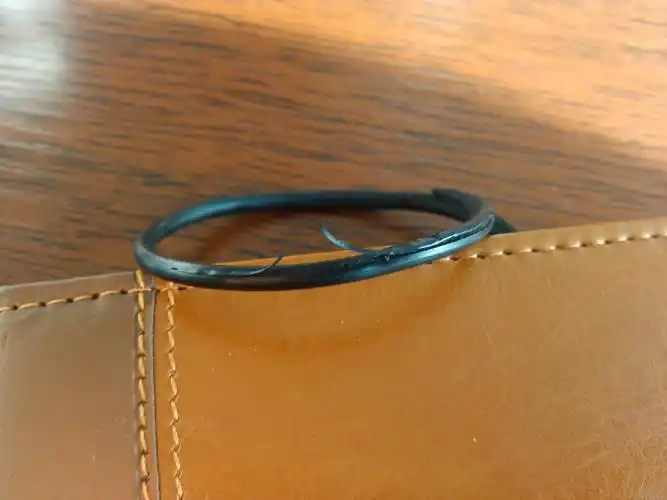
When a machine leaks, the O-ring usually takes the blame. But in most cases the real problem is not a defective seal — it is a seal that was never matched to its environment. Understanding the five most common failure modes helps you spot the cause quickly, fix it once, and avoid repeat downtime.
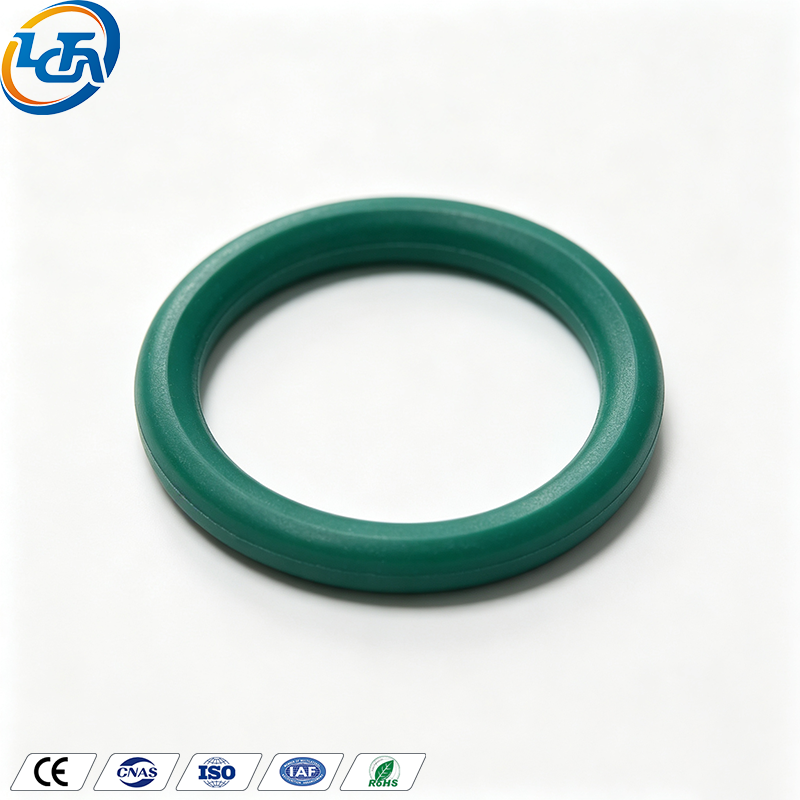
1. Material Mismatch — the Most Common Cause
- Symptom: hardening and cracking, or swelling and softening, often within weeks
- Cause: elastomer incompatible with temperature or media
- Example: NBR in a high-heat zone hardens and cracks; EPDM exposed to oil swells
- Fix: match the compound to the actual service media and temperature (NBR for oil, FKM for heat + chemicals, EPDM for weather/steam, Silicone for extreme temperatures)
2. Wrong Hardness or Compression
- Symptom: leaks shortly after installation, or seals that are extremely hard to install
- Cause: Shore A hardness not matched to groove design; compression too high or too low
- Fix: review hardness and groove dimensions together — a seal that fits the groove correctly needs less force and lasts longer
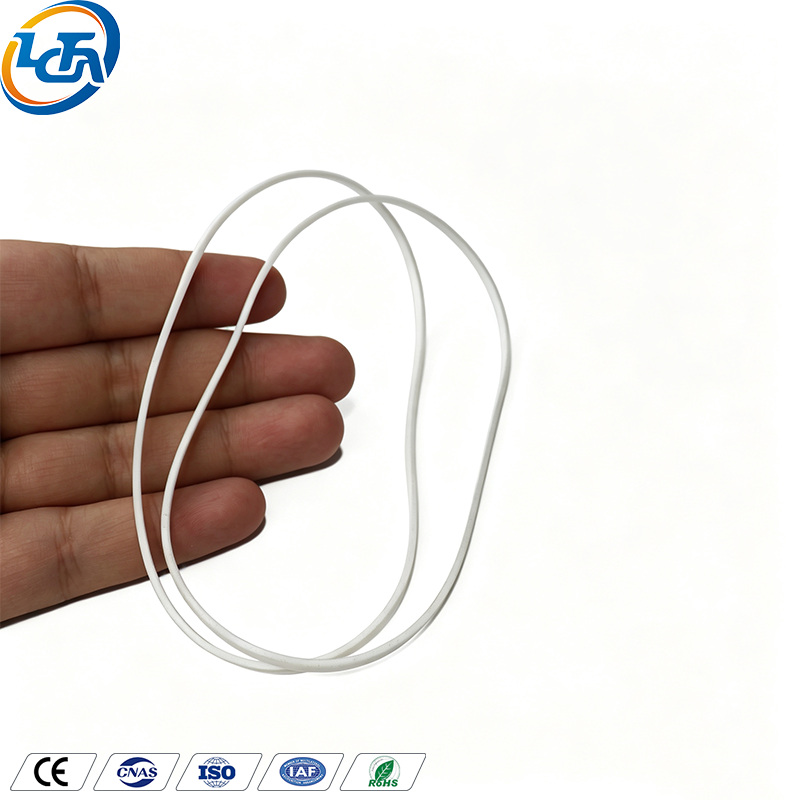
3. Thermal Aging and Oxidation
- Symptom: surface cracks, loss of elasticity over time
- Cause: continuous service above the material's temperature limit
- Fix: choose a material with headroom above your peak operating temperature; check the continuous vs. peak rating, not just one number
4. Extrusion and Nibbling
- Symptom: ragged, chewed edges under high pressure
- Cause: pressure forces the seal into the clearance gap faster than it recovers
- Fix: higher hardness, smaller gap design, or backup rings
5. Chemical Attack and Swelling
- Symptom: seal grows, softens, or disintegrates in service
- Cause: media compatibility overlooked during specification
- Fix: validate compound compatibility with the actual fluid, including additives and cleaning agents
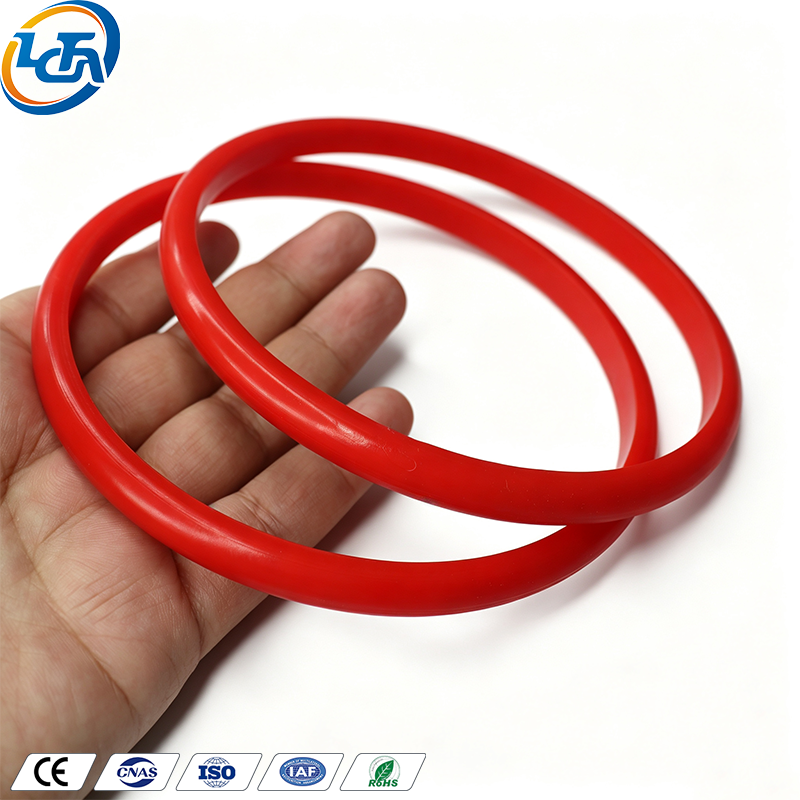
Prevention Starts at the Drawing Stage
Most of these failures are preventable before a single part is molded. A proper DFM (Design for Manufacturing) review checks material, hardness, groove geometry and tolerance together — and that is exactly what our engineering team does for free when you send a drawing.
Get a Free Failure Diagnosis
Xingtai Longcheng Sealing has spent 17 years helping OEMs and distributors diagnose sealing problems across automotive, industrial, food and other applications. Send us a photo of your failed seal plus your working conditions — temperature, media, pressure — and our engineers will tell you which material and design should have been used, free of charge.
👉 Send your failed seal photo and working conditions: [Contact us / Get a free diagnosis]
 EN
EN