 EN

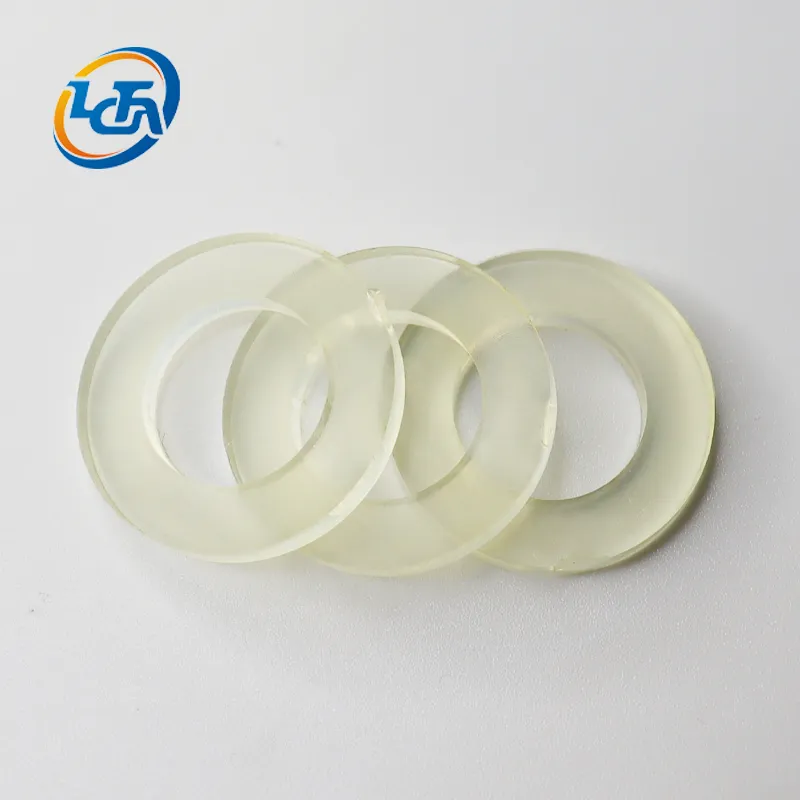
Silicone washers typically operate across a continuous temperature range from -60°C to 200°C (-76°F to 392°F), with short-term thermal exposure reaching up to 250°C (482°F) depending on compound formulation. This exceptional thermal endurance makes custom silicone washers the industry standard for high-temperature fluid sealing, cryogenic cold storage, beverage equipment sterilization, and outdoor enclosures exposed to extreme climates. Understanding true operational limits and thermal aging mechanics prevents premature mechanical failure and ensures long-term sealing performance.
Continuous Operating Temperature Range for Silicone Washers
For uninterrupted service, standard silicone washers are rated to withstand temperatures between -60°C and 200°C. At the sub-zero boundary, silicone maintains physical flexibility and sealing resilience where organic elastomers become brittle. At elevated temperatures, silicone retains structural integrity, durometer hardness, and sealing force long after Nitrile (NBR) or EPDM compounds undergo thermal degradation. Exact thermal performance depends on cross-linking catalysts, reinforcing fillers, and secondary post-curing procedures, making it vital to verify compound test sheets from your custom manufacturer.
Intermittent Thermal Spikes and High-Heat Excursions
Intermittent exposure above continuous service limits is achievable, with specialized silicone formulations enduring brief thermal spikes up to 250°C. Thermal survival depends on peak temperature duration, mechanical clamping force, and environmental fluid exposure. A clamped flange gasket may survive brief high-heat pulses, whereas sustained thermal over-exposure under constant pressure accelerates compression set and surface hardening. Post-cured silicone compounds exhibit vastly superior heat aging resistance and lower volatile content during high-temperature excursions.
Low-Temperature Resilience and Cryogenic Performance
Unlike organic rubbers that experience glass transition and brittleness around -20°C, silicone maintains cold-temperature flexibility down to -60°C, with specialty fluorosilicone compounds operating even lower. This low-temperature ductility preserves radial compression force in cold storage equipment, commercial refrigeration systems, and outdoor machinery. Maintaining an effective low-temperature seal requires calculating gland squeeze to compensate for thermal shrinkage of the rubber washer in sub-zero environments.
Elevated Temperature Aging and Compression Set Resistance
Prolonged thermal exposure near upper operating limits exposes silicone washers to thermal hardening, compression set, and loss of initial sealing force. Although silicone outperforms general-purpose elastomers in thermal aging tests, operating continuously above specified limits causes polymer chain degradation and eventual fluid bypass. Superheated steam and aggressive process chemicals can accelerate thermal breakdown. Selecting high-grade silicone compounds with documented thermal aging test data ensures reliable long-term sealing in demanding thermal applications.
Elastomer Material Comparison: Silicone vs. NBR, EPDM, and FKM
Temperature requirements frequently dictate material selection among industrial sealing compounds. NBR operates from -30°C to 100°C, serving standard oil and hydraulic lines but failing in high-heat or sub-zero applications. EPDM extends performance from -40°C to 130°C, excelling in hot water and steam systems while offering zero oil resistance. FKM withstands high temperatures up to 200°C with exceptional oil and chemical resistance, yet lacks low-temperature flexibility and carries higher material costs. Silicone provides the widest low-temperature flexibility combined with high-heat stability and food-grade safety.
Application Example: High-Temperature Steam Sealing in Food Processing
A commercial food processing plant experienced repeated fluid leakage in steam-heated vessel connections operating continuously at 180°C. Legacy EPDM washers hardened and lost compression set within months. The engineering team transitioned to custom post-cured silicone washers rated for continuous 200°C operation. Verification testing confirmed that the post-cured silicone washers maintained sealing force through repeated high-pressure steam and CIP cleaning cycles, extending maintenance intervals and eliminating unscheduled downtime across the production line.
Frequently Asked Questions
Can silicone washers handle continuous operating temperatures above 200°C?
Continuous operation above 200°C requires heat-stabilized or specialty post-cured silicone formulations designed specifically for high-heat environments. Standard commercial silicone grades will experience accelerated thermal aging and compression set above 200°C.
Do silicone washers maintain flexibility in sub-zero freezing applications?
Yes. Standard silicone washers retain elastomer flexibility and sealing force down to -60°C (-76°F), making them suitable for commercial cold storage, cryogenic equipment, and severe outdoor winter environments.
Why select silicone washers instead of FKM washers for high-temperature seals?
Silicone offers far superior low-temperature flexibility down to -60°C and is widely certified for food-contact and sanitary equipment, whereas FKM provides superior resistance to petroleum oils, aggressive solvents, and strong acids.
Table of Contents
- Continuous Operating Temperature Range for Silicone Washers
- Intermittent Thermal Spikes and High-Heat Excursions
- Low-Temperature Resilience and Cryogenic Performance
- Elevated Temperature Aging and Compression Set Resistance
- Elastomer Material Comparison: Silicone vs. NBR, EPDM, and FKM
- Application Example: High-Temperature Steam Sealing in Food Processing
- Frequently Asked Questions


