 EN

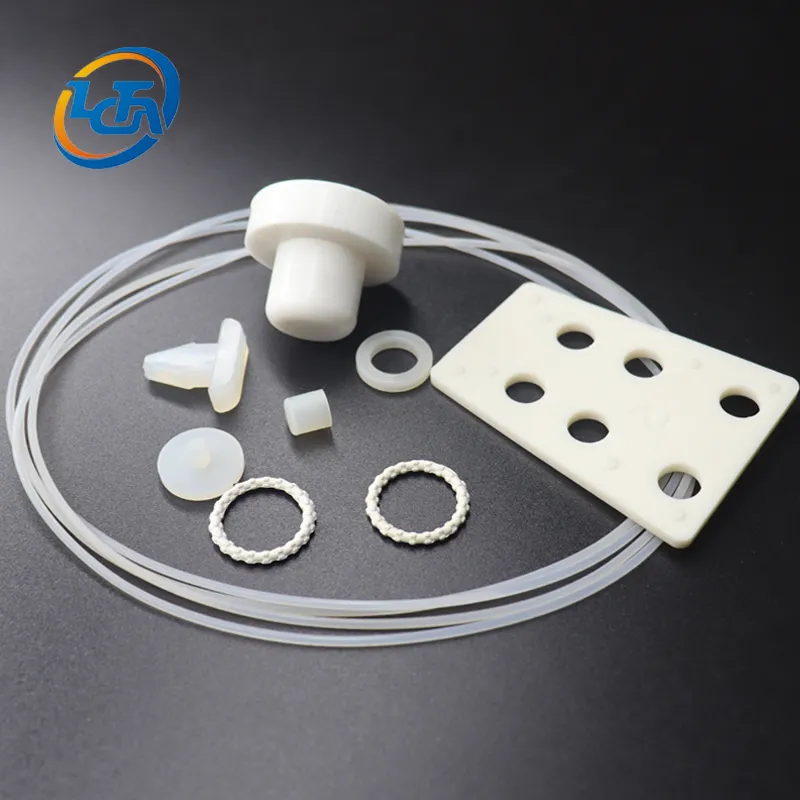
Silicone parts are preferred in medical devices because silicone uniquely combines biocompatibility, chemical inertness, extreme thermal stability, and compatibility with repeated sterilization methods. From fluidic seals, pump diaphragms, and valve seats to flexible tubing, custom silicone parts are specified across modern healthcare equipment, including infusion pumps, respiratory systems, surgical instruments, and in-vitro diagnostic analyzers. Understanding why medical-grade silicone leads healthcare elastomeric selection helps medical device manufacturers choose compliant materials and optimize regulatory approval pathways.
Biocompatibility and Regulatory Standards for Medical Silicone
Medical devices contacting human tissue, blood, or pharmaceutical reagents require materials that prevent toxic or adverse biological responses. Medical-grade silicone compounds are formulated and manufactured under cleanroom environments to comply with rigorous standards, such as ISO 10993 biological evaluation and USP Class VI testing. Evaluating cytotoxicity, sensitization, systemic toxicity, and hemocompatibility is mandatory based on the device's exposure contact duration. Sourcing custom silicone parts requires verifying compound test documentation to ensure full compliance for diagnostic, clinical, or long-term fluidic applications.
Chemical Inertness, High Purity, and Low Extractables
Silicone polymer chains exhibit outstanding chemical inertness, resisting reactions with drugs, bodily fluids, buffer solutions, and aggressive sterilization reagents. Correctly processed medical silicone exhibits an exceptionally low extractables and leachables profile, protecting delicate pharmaceutical compounds against fluid contamination or degradation. High-purity Liquid Silicone Rubber (LSR) processing combined with controlled post-curing baking cycles removes residual volatile organic compounds (VOCs) and platinum catalyst residues, ensuring fluid channel integrity across analytical diagnostic devices and drug delivery systems.
Broad Service Temperature and Multi-Method Sterilization Compatibility
Medical devices undergo harsh sterilization cycles, and silicone withstands all primary sterilization protocols without physical degradation or cross-linking breakdown. Silicone components endure repeated steam autoclaving at 121°C to 134°C, Ethylene Oxide (EtO) gas exposure, gamma radiation, electron-beam processing, and cold chemical sterilants. Operating continuously across an extreme thermal window from -60°C to 200°C (-76°F to 392°F), silicone maintains elastic sealing force and durometer stability through cold storage refrigeration and high-heat sterilization cycles.
Mechanical Performance and Custom Molded Geometries
Silicone offers exceptional elastic recovery, soft tactile durometer options, and long flex life, making it ideal for components requiring dynamic movement or gentle sealing against delicate mating surfaces. Hardness ranges from 30 to 80 Shore A, allowing medical engineers to tune flexibility for pump diaphragms, soft-touch handles, or high-pressure valve seals. High-tear-strength silicone formulations resist mechanical fatigue in peristaltic pump tubing and dynamic fluidic valves, ensuring long-term operational reliability across thousands of repeated flexing cycles.
ISO 13485 Quality Systems and Traceability Frameworks
Manufacturing custom silicone components for healthcare applications requires working within certified medical quality frameworks. Custom rubber manufacturers operate under ISO 13485 quality management systems, maintaining total lot traceability from raw polymer compounding to final cleanroom packaging. Device regulatory submissions to the FDA or EU MDR mandate comprehensive technical files, including material safety data sheets, lot inspection certificates, and master file references. Partnering with a supplier experienced in medical component manufacturing ensures seamless documentation support during regulatory audits.
Application Example: Custom LSR Silicone Seals in Diagnostic Equipment
A medical instrument manufacturer developing an automated diagnostic analyzer required custom silicone seals for a reagent fluidic module, including micro-diaphragms, valve seals, and tubing connectors. The engineering team specified a medical-grade 50 Shore A Liquid Silicone Rubber (LSR) with documented ISO 10993 biocompatibility and low extractables. Prototype components manufactured with cleanroom molding and secondary post-curing survived hundreds of autoclave sterilization cycles and maintained zero fluid leakage through 50,000 valve actuations, successfully supporting the manufacturer's regulatory filing.
Frequently Asked Questions
Are all silicone materials suitable for medical device applications?
No. Standard commercial silicone grades contain additives or cure agents not cleared for medical contact. Medical-grade silicone compounds must be specifically tested for biocompatibility under ISO 10993 or USP Class VI standards.
Can medical silicone parts survive repeated steam autoclave sterilization?
Yes. Medical silicone maintains structural flexibility, physical dimensions, and sealing force through repeated autoclave steam cycles, Ethylene Oxide (EtO) gas, gamma irradiation, and chemical sterilization protocols.
What quality documentation should a medical silicone parts supplier provide?
A qualified supplier should provide ISO 13485 quality certificates, material safety data sheets (MSDS), ISO 10993 or USP Class VI biocompatibility reports, dimensional inspection data, and complete raw material lot traceability logs.
Table of Contents
- Biocompatibility and Regulatory Standards for Medical Silicone
- Chemical Inertness, High Purity, and Low Extractables
- Broad Service Temperature and Multi-Method Sterilization Compatibility
- Mechanical Performance and Custom Molded Geometries
- ISO 13485 Quality Systems and Traceability Frameworks
- Application Example: Custom LSR Silicone Seals in Diagnostic Equipment
- Frequently Asked Questions


