 EN

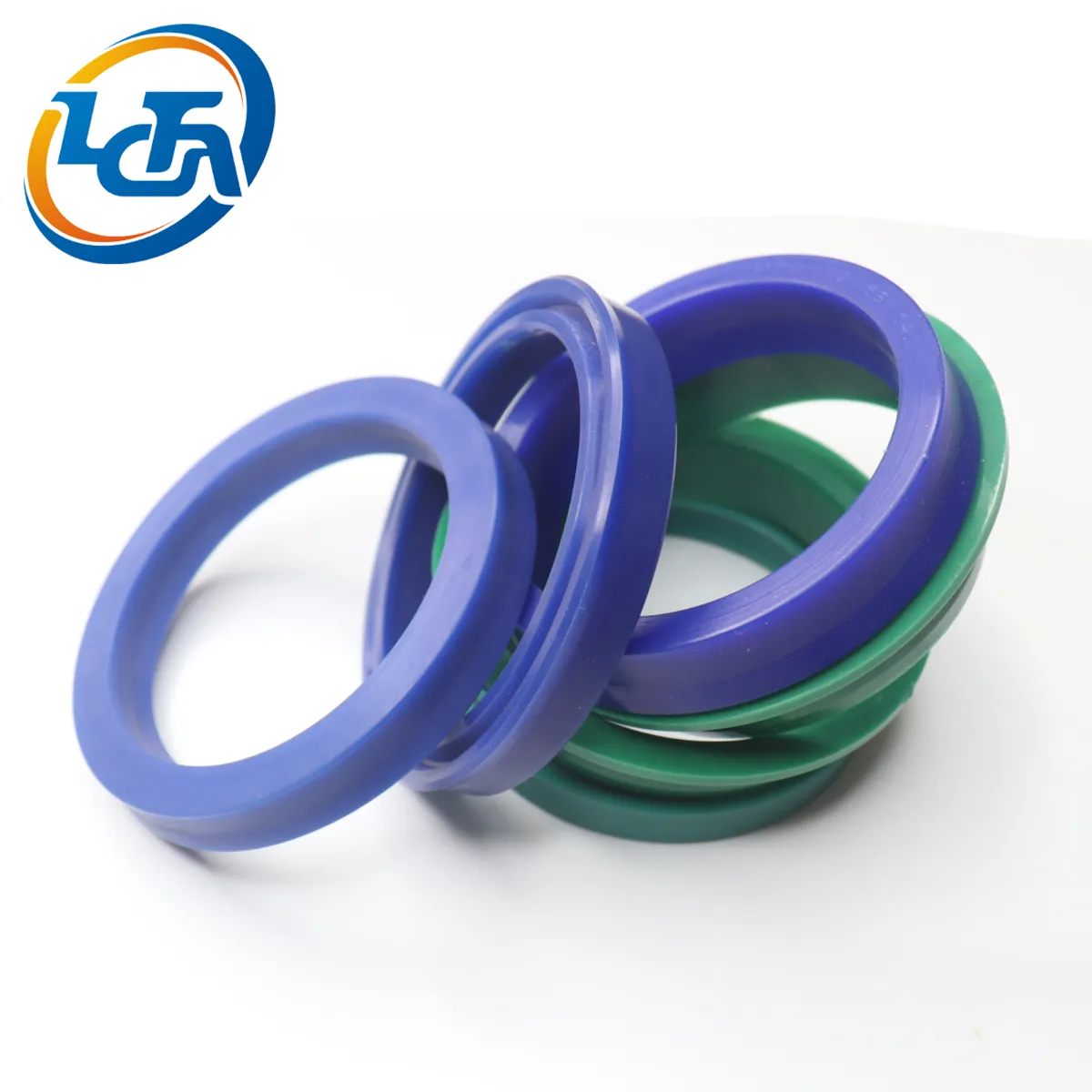
Why Material Selection Decides Whether a Gasket Seal Lasts
A gasket seal rarely fails because the rubber itself was poor. In most maintenance investigations the root cause is the same: the elastomer was matched to the wrong working environment. Temperature, the fluid being sealed, the size of the gap, and the amount of movement all act on the gasket seal at the same time, and they act together rather than separately. Choosing a compound on price alone usually leads to swelling, hardening, cracking, and unplanned downtime. A more reliable method is to define the operating conditions first, then select a rubber that matches them, and only then confirm geometry and hardness. Buyers who follow that order spend less time replacing parts and more time keeping equipment running.
The Operating Conditions You Should Record Before You Ask for a Quote
Before contacting any supplier, write down four numbers and one description. First, the continuous and peak temperature the gasket seal will experience, including start-up, cleaning, and shutdown cycles. Second, the media it must resist, whether that is oil, fuel, water, steam, weak acid, or a cleaning chemical. Third, the sealing pressure and whether the joint is static or subject to movement. Fourth, the available groove or flange space, because that sets the maximum thickness. The description should note whether the part is exposed to outdoor weather, ozone, or ultraviolet light, since those factors age rubber even when the media itself is mild. A supplier who can quote against these inputs is far easier to compare than one who only offers a catalogue size.
Common Gasket Seal Rubber Materials and Where They Fit
Nitrile butadiene rubber, usually written NBR, is the workhorse for oil and fuel contact and operates across roughly -30 to 100 degrees Celsius, which suits many automotive and mechanical seals. Fluororubber, FKM, covers a far wider temperature span, about -20 to 200 degrees Celsius, and resists aggressive chemicals, so it is common in high-temperature and chemically exposed joints. EPDM performs well outdoors against water, steam, and weather but is not the first choice for petroleum-based oils. Silicone rubber, VMQ, stays flexible from about -60 to 200 degrees Celsius and is often selected where low-temperature flexibility or food, medical, and electronic contact is involved. SBR, HNBR, and FFKM are further options when abrasion, hydrogenated service, or extreme chemical resistance is required. Hardness is normally quoted in Shore A, and standard production covers roughly 30 to 90 Shore A. Comparing a gasket seal in NBR with the same gasket seal rubber in FKM, EPDM, or silicone is really a comparison of four different service windows, and the gasket material should be judged against the sealing pressure and the groove it must fill.
A Comparison Table Helps You Shortlist Faster
Rather than debating materials in the abstract, build a short table with one row per candidate compound and four columns: temperature range, media resistance, typical application, and a note. Ranking candidates this way removes opinion from the decision and gives you a documented reason for the final choice. It also makes it easier to justify a higher-cost compound when the application genuinely needs it, because the table shows exactly which condition the cheaper material cannot meet. The comparison table in this guide can be used as a starting template for that exercise.
Geometry, Hardness, and Groove Fit Matter as Much as the Compound
Material is only half of the decision. A gasket seal that is too soft extrudes into the gap under pressure, while one that is too hard may not conform to a rough flange face. For flat gaskets and ring gaskets, the mating surface finish, bolt load, and groove depth set the practical limits on hardness and thickness. A rubber gasket that is compressed into the wrong groove will still leak, even if the material grade is correct. If the drawing is not yet finalised, most suppliers accept 2D files in PDF or CAD and 3D files in IGES or STEP, or a physical sample, so the geometry can be reviewed before tooling is cut. Where a standard size exists, using it shortens lead time; where it does not, non-standard customisation is normal for elements such as O-rings and ring gaskets.
A Practical Sourcing Scenario
Consider a maintenance team replacing a leaking gasket seal on an outdoor pump flange. The original part was a soft NBR ring, and it swelled and cracked within a single season. Recording the conditions revealed three stresses the original material never addressed: summer surface temperatures above 100 degrees Celsius, ozone exposure from the outdoor location, and intermittent steam cleaning. Repositioning the requirement toward a higher-temperature, weather-resistant compound, with hardness raised one step to resist extrusion at the flange, resolved the repeat failure. The lesson is not that one rubber is better than another. The lesson is that selection must follow the actual conditions, and a supplier with in-house rubber mixing and mold teams can often advise on both the compound and the groove geometry in the same conversation.
How to Evaluate a Supplier Before You Commit
Ask for the material grade, the hardness in Shore A, the temperature range the compound is rated for, and the available colour options, since colour can be specified to match a customer requirement. Ask how the supplier handles custom, non-standard parts and whether samples are available before full production. Confirm which quality systems and certifications apply to the product and whether those documents cover the specific gasket seal material you are buying. A supplier working to ISO 9001 with CE and RoHS compliance provides a documented baseline, but the documents should still be checked against your own specification. Finally, review the order process. A clear sequence of product requirement, quotation, confirmed delivery time, proforma invoice, production, shipping, and order completion protects both buyer and supplier.
Questions Buyers Ask About Gasket Seal Rubber
Can one rubber compound seal every fluid?
No. Each elastomer family has a defined media and temperature window, and a compound that resists oil well may perform poorly against water, steam, or aggressive chemicals. Always test against the actual media. A rubber gasket must also be checked for hardness, which is normally quoted in Shore A.
Is a harder gasket always better at holding pressure?
Not automatically. Harder compounds resist extrusion but conform less to the sealing surface. The correct hardness depends on the gap, the surface finish, and the pressure, so geometry should be confirmed together with the material.
How do I know a custom part will fit before mass production?
Provide a 2D drawing, a 3D model, or a physical sample and request a sample part. Reviewing a sample is the most reliable way to confirm fit, hardness, and finish before committing to a production run.
Table of Contents
- Why Material Selection Decides Whether a Gasket Seal Lasts
- The Operating Conditions You Should Record Before You Ask for a Quote
- Common Gasket Seal Rubber Materials and Where They Fit
- A Comparison Table Helps You Shortlist Faster
- Geometry, Hardness, and Groove Fit Matter as Much as the Compound
- A Practical Sourcing Scenario
- How to Evaluate a Supplier Before You Commit
- Questions Buyers Ask About Gasket Seal Rubber


