 EN

What Certificates Should Mean to a Buyer
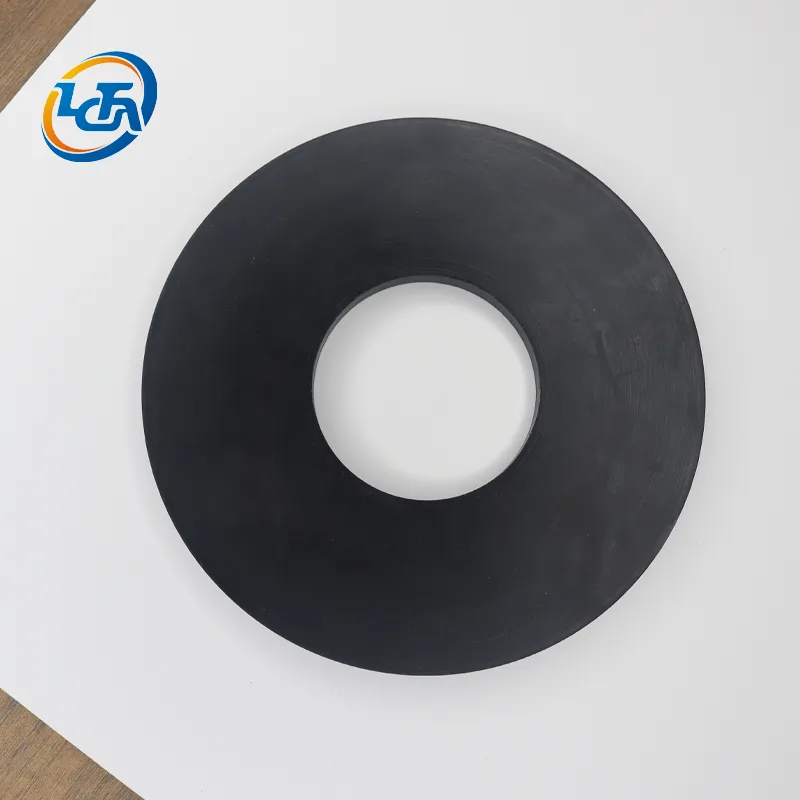
When a buyer asks what certificates back a silicone gasket, the honest answer is that a certificate is evidence, not a performance guarantee. A certificate shows that a defined process or material was verified by a recognised method, but it does not by itself tell you whether the gasket suits your temperature, your media, or your groove. The useful questions are therefore which certificates apply, what each one actually covers, and whether the documents on offer match the exact material grade being purchased. This guide explains the certificates and documents that commonly accompany a silicone gasket, and how to verify them rather than accept them at face value.
The Certifications Behind a Silicone Gasket
Silicone gaskets are typically produced under a documented quality system, and the most common certificate a buyer will see is the quality management certificate, such as ISO 9001. This certificate confirms that the supplier operates a controlled production process, with defined procedures for material handling, production, and inspection. Beyond the quality system, product compliance documents such as CE and RoHS are often relevant, because they relate to market access and to restrictions on certain substances. A supplier that works to ISO 9001 with CE and RoHS compliance gives buyers a documented baseline, but these certificates should still be reviewed against the buyer's own requirements rather than assumed sufficient. Certificates describe systems and compliance; they do not describe how a particular silicone gasket will behave in a particular joint.
Silicone Gasket Material Documents: What to Request
Beyond the system certificates, a buyer should request documents that describe the material itself. The first is a statement of the material grade and its composition class, which identifies whether the part is made from silicone, or VMQ, or another elastomer. This matters because silicone is chosen for specific reasons: it stays flexible across roughly -60 to 200 degrees Celsius and is chemically stable, which is why it appears in food, medical, and electronic contact applications. If the grade is not stated, the buyer cannot confirm that the property profile matches the application. The second is the hardness in Shore A, which is normally produced between 30 and 90 Shore A, and which controls how the gasket deforms and resists extrusion. The third is the rated temperature range, so the buyer can check it against the real working and cleaning temperatures. Requesting these three items in writing turns a vague enquiry into a verifiable specification.
Reading a Certificate of Conformance
A certificate of conformance, sometimes called a certificate of compliance, is a supplier statement that a delivered batch meets the agreed specification. It is useful, but it is only as strong as the specification behind it. If the specification lists only "silicone gasket" without grade, hardness, and dimensions, the certificate proves very little. Buyers should make sure the specification attached to the certificate records the material grade, the hardness in Shore A, the dimensions, and the colour where identification matters. Colour can be specified to a customer requirement, and having it on the certificate prevents a batch being rejected on arrival for a trivial but real mismatch. Reading the certificate alongside the specification is what makes it meaningful.
Why the Same Silicone Gasket Can Have Different Documents
Two suppliers can offer a silicone gasket of the same size and still provide different document sets, because documents follow the material grade and the production system, not the shape. A part made from a food contact grade, for example, may carry additional material documents compared with a part made from a general industrial grade, even though both look identical. For this reason, buyers should not compare suppliers on the quantity of certificates but on the relevance of the documents to the intended use. A short document set that precisely covers the material grade and the application is more valuable than a thick set that describes unrelated products. Where an application is regulated, the buyer should state the required documents at the enquiry stage and confirm that the documents offered cover the grade actually purchased.
A Verification Scenario
Consider a buyer sourcing silicone gaskets for equipment that is cleaned with a hot caustic solution. The first quotation came with a quality certificate but no material statement, so the buyer could not confirm the temperature and chemical rating. On requesting the material grade, hardness, and temperature range in writing, it emerged that the proposed grade was a general industrial compound without the needed resistance. Specifying a grade rated for the cleaning temperature and the chemical, and confirming the documents before production, avoided a failure that would have appeared only after installation. In a second case, a colour mismatch on an identifier gasket was resolved simply by putting the colour on the specification and the certificate. Both cases show that the documents, not the price, are what confirm that a silicone gasket will work.
Building a Document Checklist for Your Order
Before ordering, assemble a short checklist. Confirm the quality system certificate, such as ISO 9001, and any product compliance documents such as CE and RoHS. Request the material grade and composition, the hardness in Shore A, the rated temperature range, and the dimensions. State the colour if it is used for identification. Ask for a sample part where the joint is critical, so that fit, hardness, and finish can be checked before mass production. Confirm the order workflow, from requirement through quotation, confirmed delivery, production, shipping, and completion, and ask for the documents to be issued with the batch. Custom, non-standard sizes are produced to a 2D drawing in PDF or CAD, a 3D model in IGES or STEP, or a sample, and the accompanying documents should cover that exact specification.
Questions Buyers Ask About Silicone Gasket Certificates
Does ISO 9001 certify that a silicone gasket is safe for food or medical contact?
No. ISO 9001 certifies a quality management system, not the suitability of a particular material for a particular use. A food or medical contact application needs a material grade that is appropriate, and the buyer should request the documents relevant to that use.
What is the difference between a certificate of conformance and a material certificate?
A certificate of conformance states that a batch meets the agreed specification, while a material certificate describes the material itself, such as its grade and properties. Both are useful, and both are only meaningful when the underlying specification is specific.
Can I specify a colour and have it certified?
Yes. Colour can be specified to a customer requirement, and including it on the specification and the certificate is a simple way to prevent mismatched batches, especially where the colour is used to identify a part.
Table of Contents
- What Certificates Should Mean to a Buyer
- The Certifications Behind a Silicone Gasket
- Silicone Gasket Material Documents: What to Request
- Reading a Certificate of Conformance
- Why the Same Silicone Gasket Can Have Different Documents
- A Verification Scenario
- Building a Document Checklist for Your Order
- Questions Buyers Ask About Silicone Gasket Certificates


