 EN

Why Medical Devices Place Extra Demands on Rubber Parts
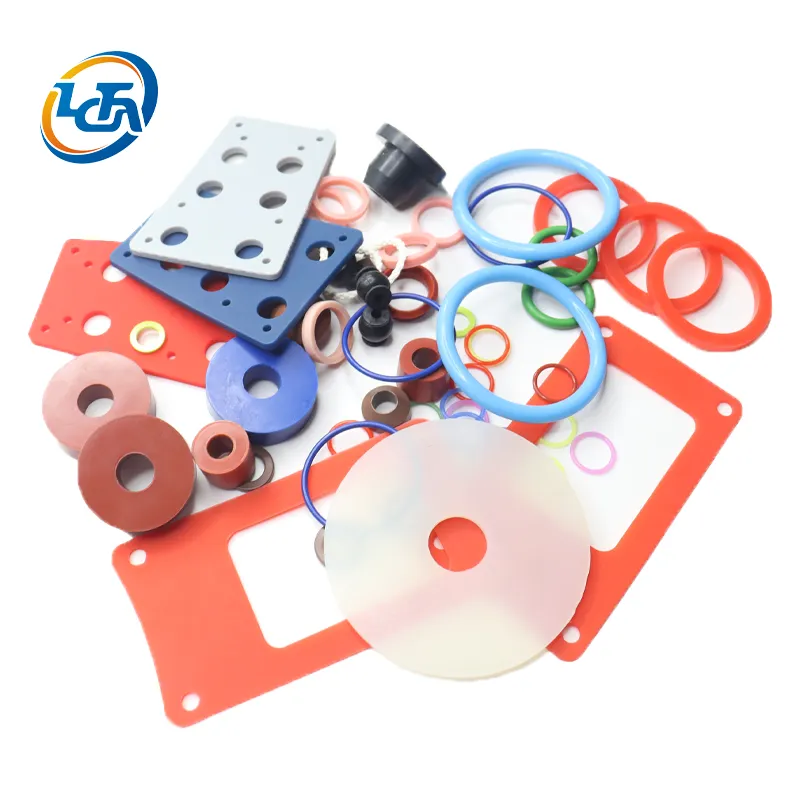
Rubber parts appear throughout medical devices, from syringe and catheter seals to soft contact components and disposable sealing gaskets. What separates a medical application from a general industrial one is not only performance, but the consequences of failure. A leaking seal in a factory causes downtime; a leaking seal in a medical device can affect a patient. Because of that, buyers of rubber parts for medical devices are asked to consider not just whether the rubber works, but whether it is safe, clean, and consistent from batch to batch. Understanding which standards and documents apply, and which ones the buyer must request from the supplier, is the core of medical component sourcing. This guide explains the material, cleanliness, and quality considerations that matter most, and how to build a document checklist before ordering.
Material Selection for Medical Rubber Parts
The first decision is the material, and it must be matched to the device, not to a general habit. Silicone rubber, or VMQ, is one of the most widely used elastomers in medical and food contact applications because it stays flexible across roughly -60 to 200 degrees Celsius and is chemically stable. Nitrile, or NBR, resists oil and fuel across roughly -30 to 100 degrees Celsius and suits mechanical components such as seals inside equipment. EPDM handles water, steam, and weather, and Fluororubber, FKM, extends to about -20 to 200 degrees Celsius with strong chemical resistance. Hardness is quoted in Shore A, standard production covers roughly 30 to 90 Shore A, and colour can be specified where identification is needed. The right material follows the fluids the part will contact, the cleaning and sterilization temperatures, and how long the part must last.
Cleanliness, Sterilization, and Temperature Exposure
Medical rubber parts are often exposed to cleaning agents and sterilization cycles, and those exposures can be more aggressive than the working media. A compound that performs well in normal use may harden or crack after repeated high-temperature cycles. Buyers should define the full thermal and chemical profile the part must survive, including the peak sterilization temperature and the chemicals used in cleaning, and confirm that the chosen compound is rated for that profile. Cleanliness also matters: parts intended for patient contact or for sterile assemblies may require defined handling, packaging, and freedom from contamination. These requirements should be stated in the enquiry, because they affect how the part is produced and packed, not only what material is used.
Biocompatibility and Documentation to Request
Biocompatibility is a formal requirement for many medical devices, and it is normally evidenced by test documents rather than by a verbal assurance. Because specific test requirements depend on the device classification, the buyer, not the rubber supplier alone, usually owns the biocompatibility assessment for the finished device. What the buyer can and should do is request the material documentation that supports that assessment. This commonly includes the material grade and its declaration, and any test documents the material manufacturer provides for the specific grade. When the application is regulated, buyers should state their document requirements at the enquiry stage and confirm that any documents offered cover the exact material grade actually purchased, rather than a similar grade. This is standard procurement practice, and a supplier who can supply the requested paperwork promptly is easier to audit.
Quality System, Traceability, and Change Control
A documented quality system is the backbone of medical component sourcing. Suppliers operating to ISO 9001 provide a baseline for consistent production, and buyers should confirm which quality systems apply and request the relevant certificates for review. Additional certificates, such as CE and RoHS, may be relevant depending on the market and the product, and these should also be checked against the buyer's own requirements rather than accepted at face value. Traceability matters because a batch must be linkable to a production record if a field issue occurs. Change control matters because an unannounced change of compound or supplier can invalidate earlier test results. Buyers should ask how the supplier manages material changes and whether deviations are notified in advance.
A Procurement Scenario
Consider a device maker preparing a new assembly that includes a soft silicone sealing part. The engineering team needed a material that would stay flexible after repeated sterilization and would not react with a cleaning agent used between uses. Rather than ordering a generic silicone part, the team defined the sterilization temperature, the cleaning chemical, and the contact duration, then requested the material grade and its supporting documents before production. Because the part was a soft rubber part rather than a mechanical seal, the material grade mattered more than the shape. The chosen grade met the thermal profile, and because the requirement had been stated at the enquiry stage, the correct documentation was available without delay. The same discipline applied to traceability, so that the delivered batch could be linked to its production record. In both respects, the value came from defining requirements early, not from paying more for the part.
How to Assess a Supplier for Medical Rubber Parts
Ask five questions. Which materials can the supplier offer, and can it advise on the grade for a given sterilization and chemical profile? Which quality systems and certificates apply, and are the documents available for review? How is traceability handled, and can a delivered batch be linked to a production record? How are material or process changes managed and communicated? Can the supplier produce a sample for evaluation before mass production, and which drawing formats are accepted? A supplier with in-house rubber mixing and mold teams can often answer the material questions directly, because the compound and the mold are developed by the same organisation. The order workflow should also be clear, from requirement through quotation, confirmed delivery, production, shipping, and completion.
Questions Buyers Ask About Medical Rubber Parts
Can any rubber part be used in a medical device?
Not without review. The part must be matched to the fluids, cleaning agents, and sterilization profile, and its documentation must support the device's own compliance process. A part that works in general industry is not automatically suitable for medical use.
Which material is most common for medical rubber parts?
Silicone, or VMQ, is among the most widely used because of its wide temperature range and chemical stability, but the correct choice depends on the specific device, the media, and the sterilization method.
Who is responsible for biocompatibility testing? Responsibility usually rests with the device manufacturer, because the requirement depends on the device classification. The rubber supplier's role is to provide the material grade and the supporting material documents that the buyer requests.
Does certification alone make a rubber part suitable for medical use?
No. Certification is a useful baseline for quality and compliance, but suitability depends on the specific material, the application conditions, and the supporting documents, all of which should be reviewed together.
Table of Contents
- Why Medical Devices Place Extra Demands on Rubber Parts
- Material Selection for Medical Rubber Parts
- Cleanliness, Sterilization, and Temperature Exposure
- Biocompatibility and Documentation to Request
- Quality System, Traceability, and Change Control
- A Procurement Scenario
- How to Assess a Supplier for Medical Rubber Parts
- Questions Buyers Ask About Medical Rubber Parts


