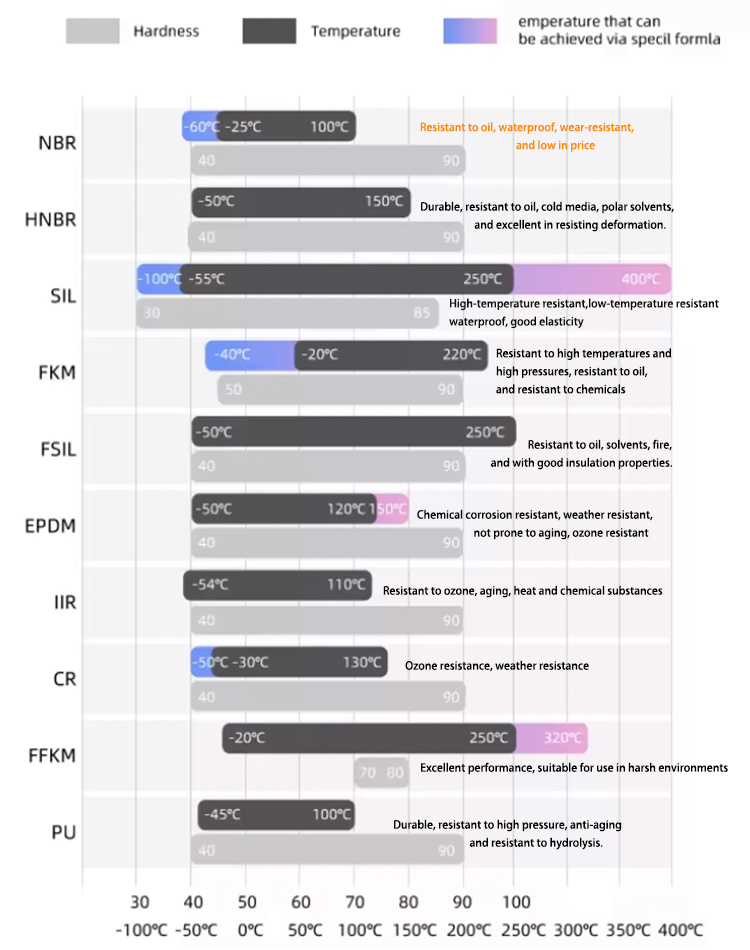
An O-ring costs a few cents. The downtime it causes when it fails can cost thousands. In most cases, the seal itself is not the problem — the material was never the right match for the application. Temperature, fluid media, pressure, and duty cycle all change the answer. Here is a practical guide to the four most common elastomers, and when each one is the right choice.
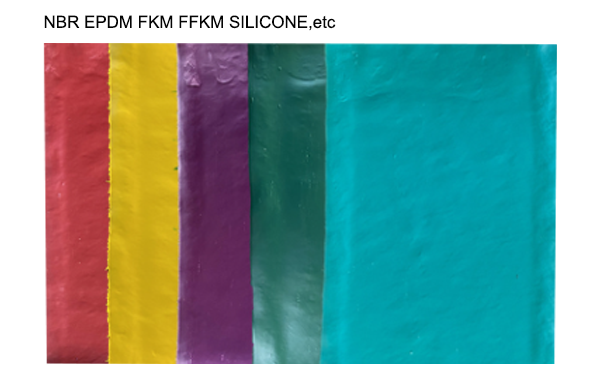
NBR (Nitrile) — The Industrial Workhorse
- Temperature range: -30°C to +120°C
- Best for: mineral oils, fuels, hydraulic fluids, water
- Avoid: ozone, strong acids, high-heat environments
- Typical use: automotive, general industrial, hydraulic systems
NBR is the default choice for oil and fuel applications and offers the best value for money. It covers most standard industrial sealing needs and is available across a wide hardness range.
FKM (Fluorocarbon Rubber) — High Heat and Chemical Resistance
- Temperature range: -20°C to +200°C
- Best for: aggressive chemicals, oils at high temperature, fuel systems
- Typical use: aerospace, chemical processing, oil & gas, automotive powertrains
When an application combines heat with chemical exposure, FKM is the reliable option. It resists swelling and hardening far longer than NBR in demanding media.
EPDM — Weather, Ozone and Steam Resistance
- Temperature range: -50°C to +150°C
- Best for: outdoor exposure, ozone, steam, hot water, brake fluids
- Avoid: petroleum oils and fuels
- Typical use: automotive cooling systems, weather sealing, water and steam systems
EPDM excels outdoors and in steam/water service, where many other elastomers crack and age quickly.
Silicone — Extreme Temperatures and Food Contact
- Temperature range: -60°C to +230°C
- Best for: extreme low/high temperatures, food-grade and medical contact, electrical insulation
- Avoid: abrasion, high-pressure dynamic sealing
- Typical use: food & beverage, medical devices, electronics
Silicone maintains flexibility across the widest temperature span and is the standard choice for FDA-compliant food contact applications.
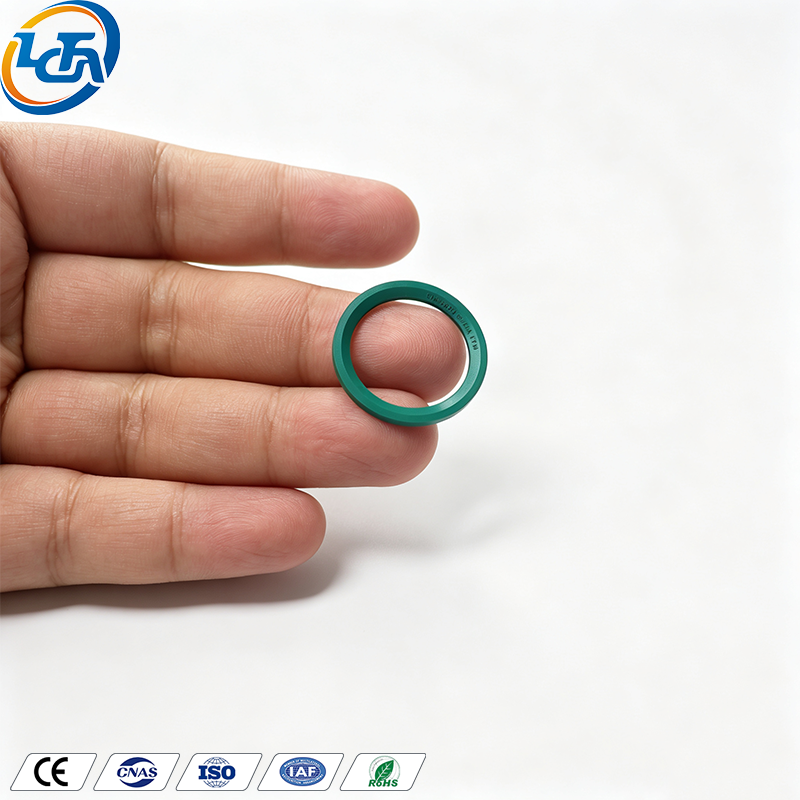
Beyond the Big Four
Special conditions need special materials: HNBR for oil resistance combined with heat, FFKM for the most aggressive chemical and high-temperature service, CR for weather and flame resistance, and PU for high abrasion and wear resistance.
How to Choose — Four Questions to Ask
1. What temperature does the seal actually see (continuous and peak)?
2. Which fluids or chemicals will it contact?
3. Is the seal static or dynamic (moving)?
4. What hardness (Shore A) does your groove design require?
Get a Free Material Recommendation
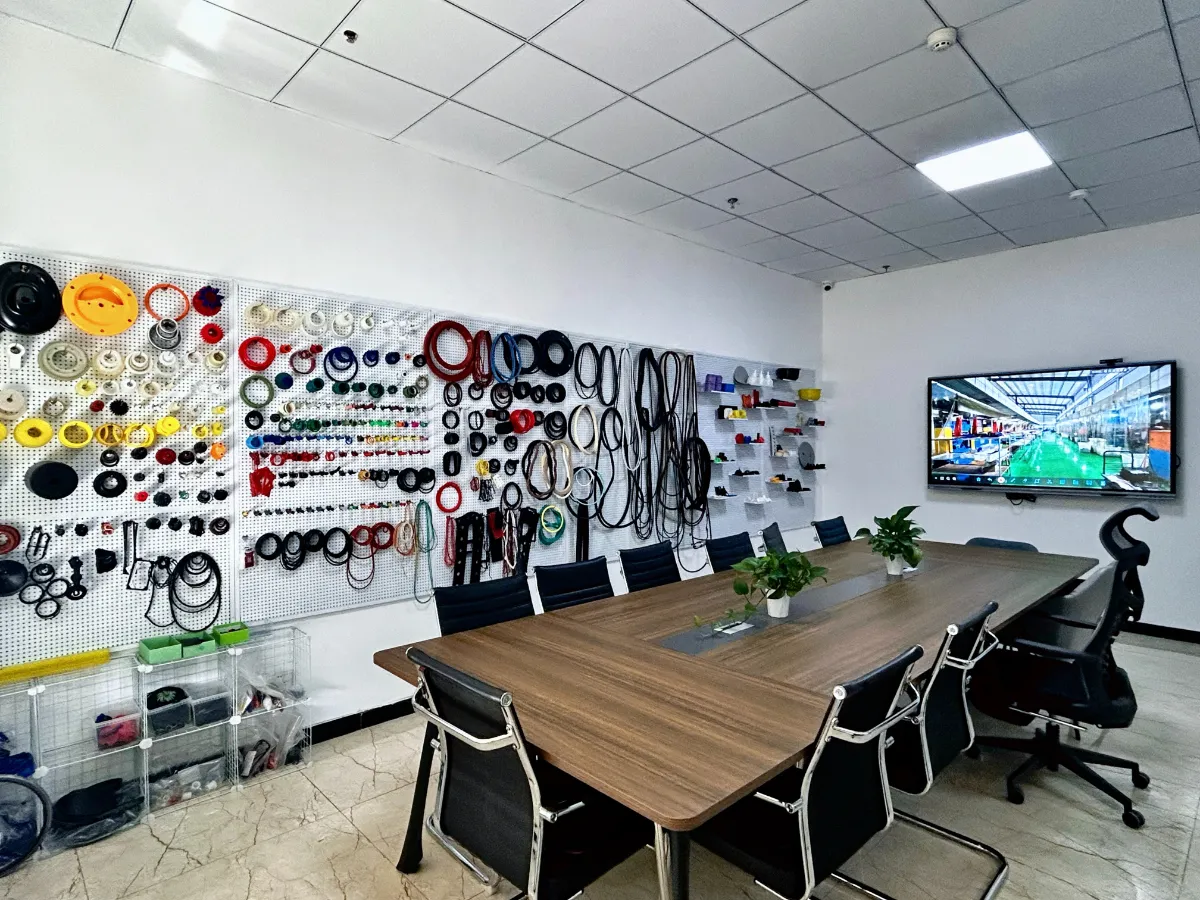
At Xingtai Longcheng Sealing, we have formulated and molded custom rubber parts in 10+ elastomer families for 17 years — NBR, FKM, EPDM, Silicone, HNBR, FFKM and more. Our in-house compounding team reviews your drawing and application conditions, then recommends the right material, hardness and groove fit — free of charge.
👉 Send us your drawing and working conditions, and get a material recommendation within 24 hours: [Contact us / Request a Quote]
 EN
EN