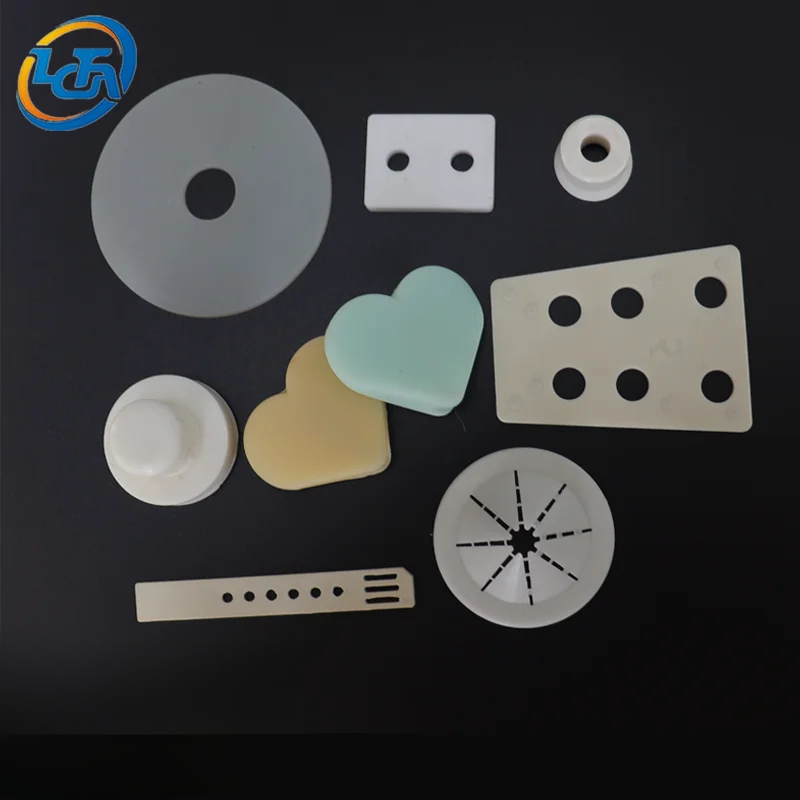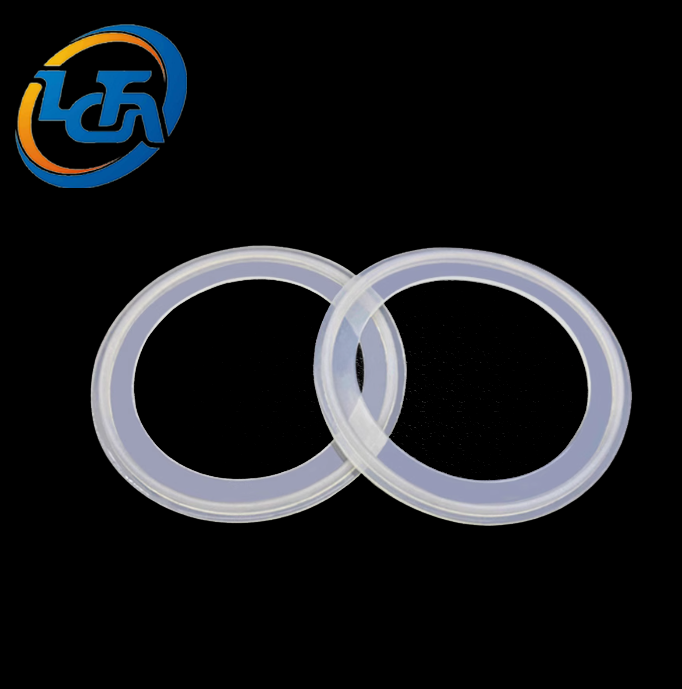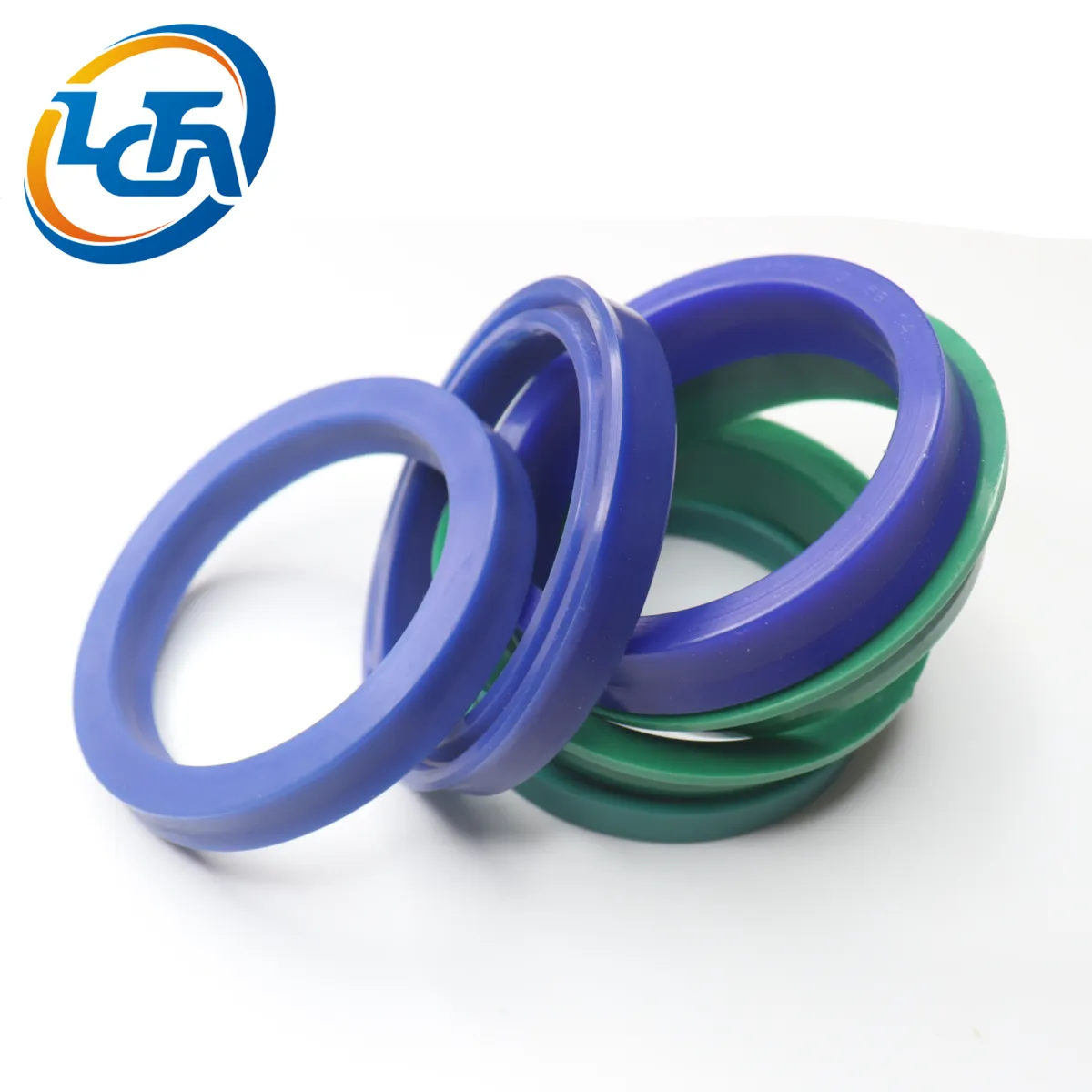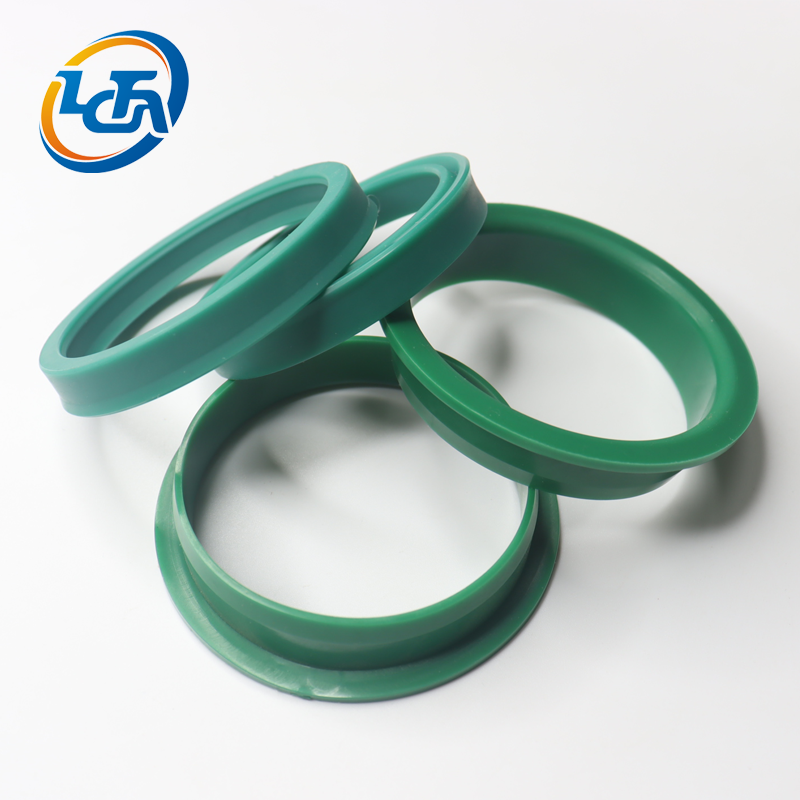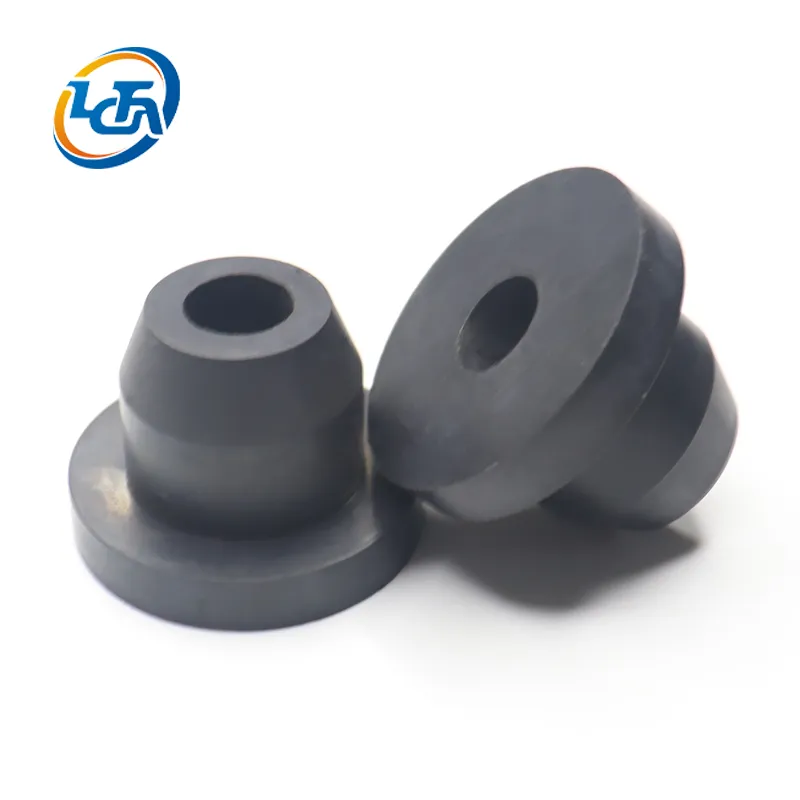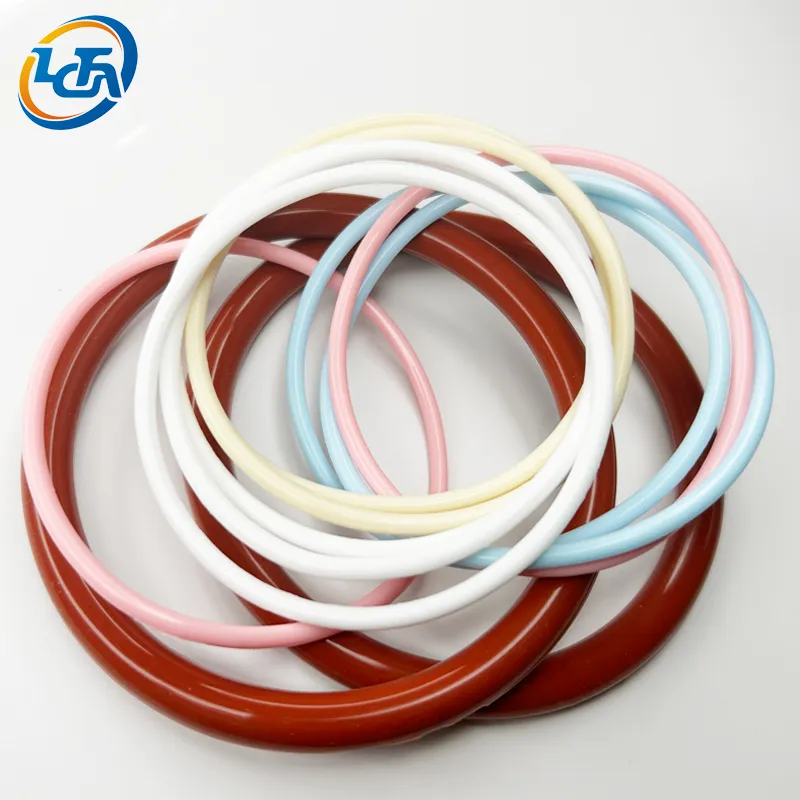
בסביבות תעשייתיות, כשל של חתימות גומי הוא אחד הגורמים המובילים לעצירות ולעלות תחזוקה. נתונים מעידים שיותר מ-60% מכשלים מסוג זה נובעים לא מפגמי ייצור, אלא מבחר לא נכון, שגיאות בהתקנה או התאמה לקו התנאים הפעוליים. בהתבסס על המומחיות שלנו בתהליכי עיבוד גומי (וולקניזציה) בעיצוב דק ובעריכה, אנו מציגים מדריך זה כדי לעזור לכם להימנע מהטעויות הנפוצות ולהאריך את חיי הציוד.
חלק 1: צורות הכשל הנפוצות והסיבות השורשיות להן
הבנת הסיבות לכשל של החתימות היא הצעד הראשון למניעה.
התעבות מוקדמת וסדקים
סימנים: אובדן אלסטיות, סדקים על פני השטח לפני סיום התקופה הצפויה לחיי החתימה.
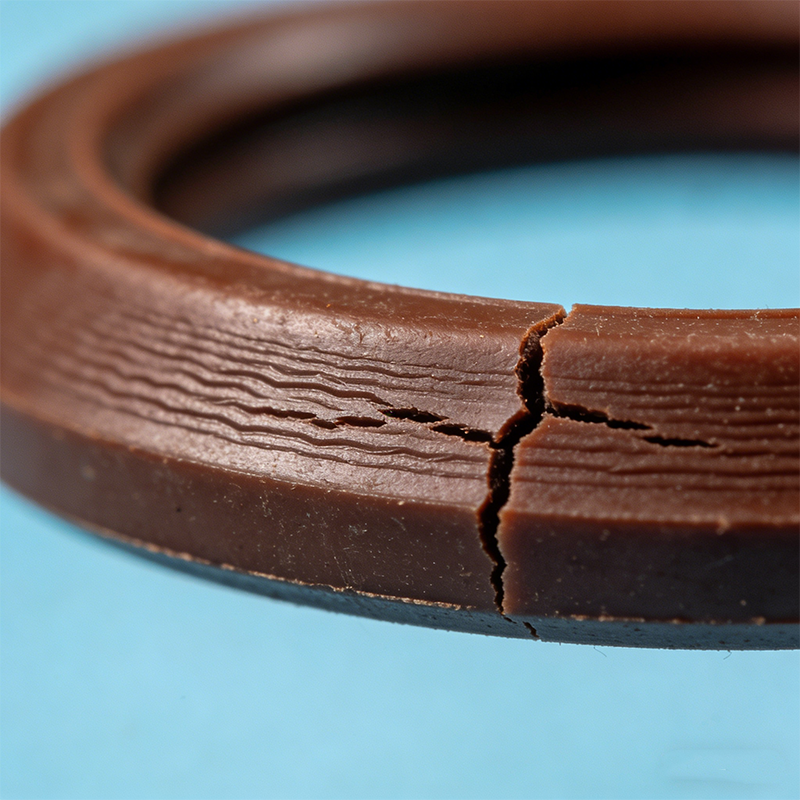
סיבות: אי התאמה בין הטמפרטורה לחומר (למשל, NBR בטמפרטורות גבוהות מ-100°מ); חשיפה לאוזון או לאור УФ (שימוש בחוץ); אי תאימות כימית.
עיוות מוגבר ופליטה
סימנים: שינוי קבוע בצורת החתימה, חדירת החומר לתוך חריצים.
סיבות: קשיחות לא מתאימה ללחץ; רווחים גדולים מדי בעיצוב; רך יתר של החומר עקב טמפרטורות גבוהות.
דליפה
סימנים: דליפת נוזלים במפרקים סטטיים או דינמיים.
סיבות: אי התאמה ממדית עם החריץ; שטח החתימה גס מדי; יחס דחיסה לא תקין.
פגיעת התקנה
סימנים: חתכים, קרעים או פיתולים על איטמים חדשים.
סיבות: שימוש בכלים חדים; חוסר מאפייני הדרכה; חוסר שימון מספק בעת ההרכבה.
חלק 2: הפתרונות שלנו: חומר, עיצוב ותהליך
אנו מספקים פתרונות מהימנים באמצעות ייצור מדויק ובאמצעות בחירה מושכלת.
מדריך לבחירת החומר:
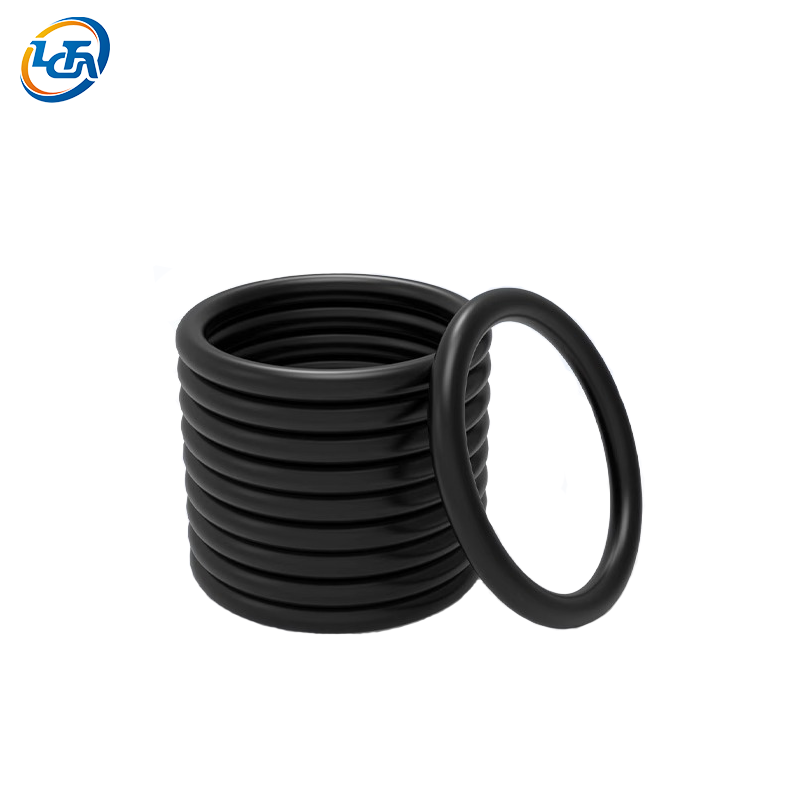
NBR (ניטריל): בעל יעילות עלות-תועלת עבור שמן ו nhiên. טווח טמפרטורות: 30-°C עד 100°C.
FKM (פלואורוקרבון): מתאים לטמפרטורות גבוהות (עד 200°C) ולכימיקלים קשים. עלות פרמיום.
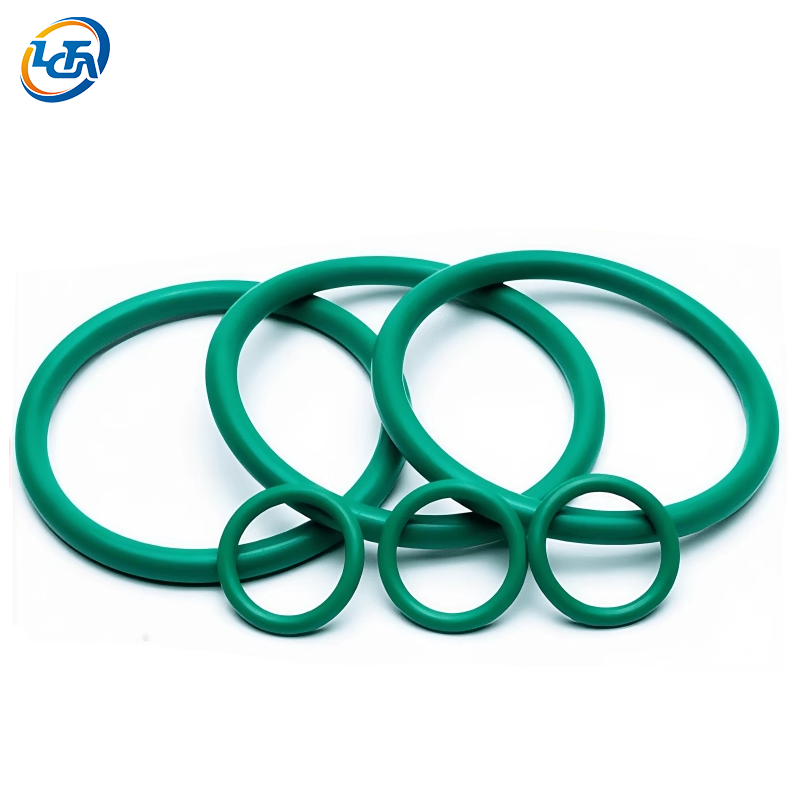
EPDM: מעולה למים, אדים ואקלים. לא מתאים לשמנים פטראליים.
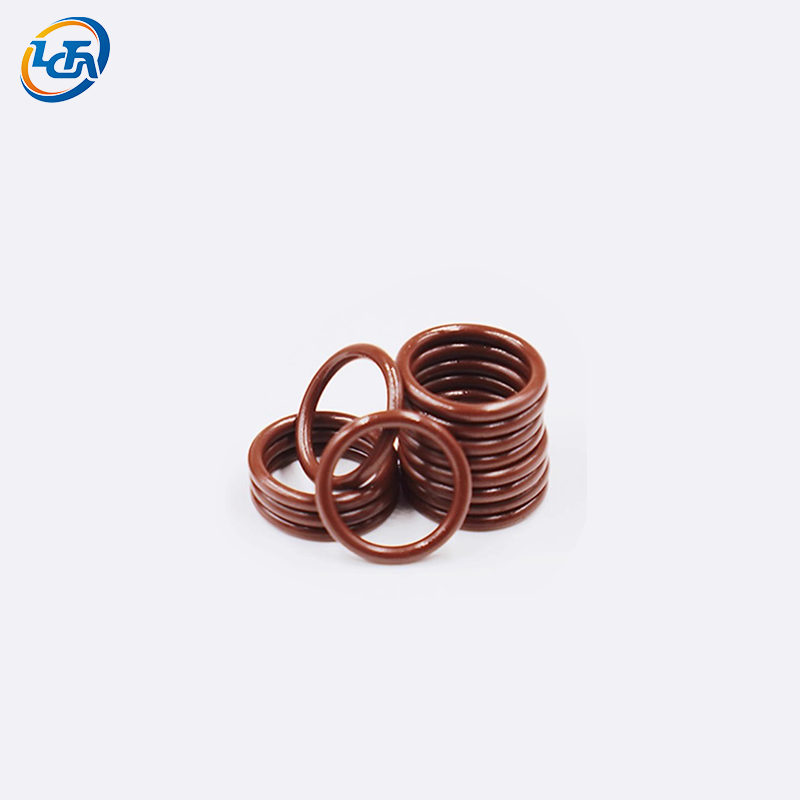
VMQ (סיליקון): טווח טמפרטורות רחב (מ־60° צלזיוס עד 200° צלזיוס), טוב לבודד. עמידות נמוכה יותר.
עיצוב וייצור מדויקים:
גומייה מבוקרת: בקרה מדויקת של זמן, טמפרטורה ולחץ מבטיחה תכונות אופטימליות של החומר ואת עקביות האצווה.
סיום מעולה: תבניות מיוצרות כדי להשיג משטחים חלקים ומינימליים של פריצה (flash), לצמצם חיכוך ולמנוע נזק בהתקנה.
חלק 3: שיטות עבודה מומלצות להתקנה ותחזוקה
לפני ההתקנה: נקו את החריצים היטב, בדקו את החיבורים והשימו שמן שמתאים להם.
בזמן ההתקנה: השתמשו בכלים מתאימים (למשל, קוני התקנה), הסירו את החיבור בעדינות (לא יותר מ־5%), ודאו שהחיבור יושב כראוי ללא התפתלות.
במהלך הפעולה: עקבו אחר הטמפרטורה והלחץ, בצעו בדיקות תקופתיות ובידקו סימנים מוקדמים של בלאי או דליפת זעירה.
חלק 4: כיצד אנו תומכים בהצלחתכם
ייעוץ טכני: אנו מסייעים בבחירת חומרים, בבירור ממדים ובניתוח כשלים.
איכות מאושרת: מערכת ה-ISO 9001 שלנו מבטיחה את אפשרות המעקב והעקביות. המוצרים עומדים בדרישות CE ו-ROHS.
פתרון בעיות מוכח:
סיכום
הנחת ההיגון היא מניעה – באמצעות בחירה מושכלת ותפעול תקין – שהיא זולה בהרבה מאשר תיקון. אנו מספקים יותר מרכיבי גומי איכותיים בלבד – אנו מציעים פתרונות פרקטיים שמבוססים על ניסיון בשטח. התאגדו איתנו כדי לפתח אסטרטגיות איטום אמינות שמזילות את זמן העצירה ואת עלות הפעלה הכוללת.
 EN
EN