 EN

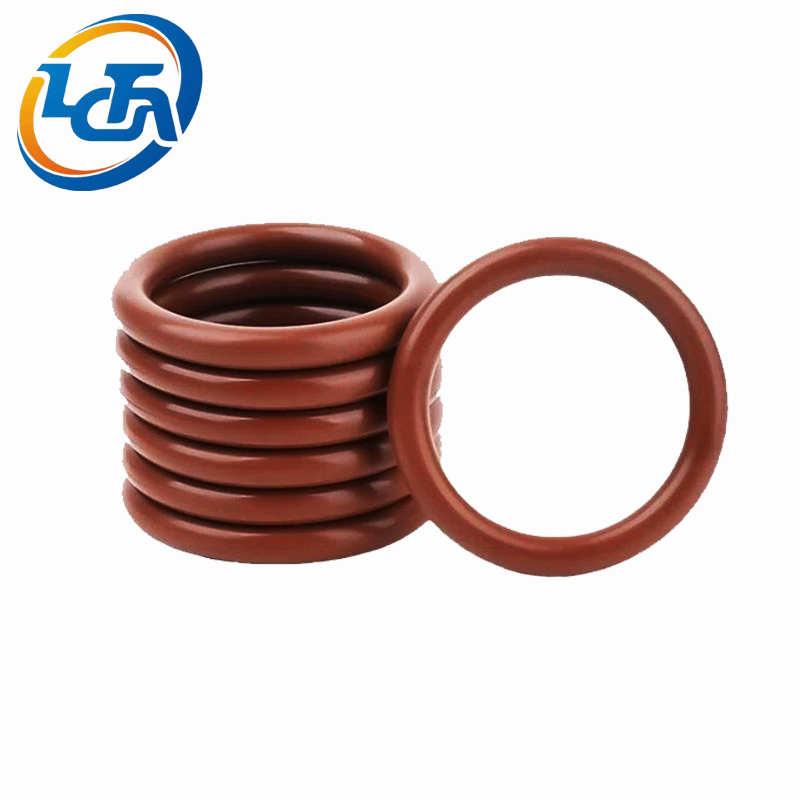
Why Medical Device Manufacturers Choose Silicone Parts
Silicone parts, made from silicone rubber, or VMQ, appear across the medical sector in seals, soft contact components, tubing connections, and disposable items. The reason is not that silicone is the hardest or the cheapest elastomer, but that it offers a specific combination of properties that medical applications need: a wide temperature range, chemical stability, reliable elasticity, and good electrical insulation. Where a device must be cleaned, sterilized, handled, and stored without the rubber changing, that combination matters more than raw strength. This guide explains the properties that make silicone parts suitable for medical use, how they compare with other elastomers, and what a buyer should confirm before specifying them. As with any medical component, suitability still depends on the specific device and the specific grade, so the properties below should be checked against the application rather than assumed.
Temperature Flexibility and Chemical Stability
The most cited property of silicone is its temperature range. Silicone rubber stays flexible from roughly -60 to 200 degrees Celsius, which is one of the widest ranges of any common elastomer. That range covers the two extremes a medical part often meets: low-temperature storage or transport on one side, and high-temperature sterilization or cleaning on the other. Because the material does not become brittle at the low end or degrade at the high end within its rated range, a single silicone part can survive a cold chain and a hot sterilization cycle without changing shape. Buyers should still confirm the rated range for the specific grade, because different silicone grades do not all share identical limits. Silicone is also chemically stable and relatively inert, which is why it is used in food, medical, and electronics contact applications. Stability means the material resists swelling and hardening when it meets the fluids and cleaning agents a device uses, so the part keeps its dimensions and its sealing force over time. This is important because a part that swells loses its fit, and a part that hardens loses its flexibility, and both failures can appear only after repeated use. In devices that are cleaned with chemicals between uses, chemical stability is often the property that decides service life. As with every material, compatibility should be confirmed against the actual chemicals and concentrations used, rather than against a general claim of resistance.
Elasticity, Softness, and Insulation
Silicone parts provide reliable elasticity, the ability to deform and recover, which is what makes them useful both as seals and as soft contact components where a firm material would be uncomfortable or damaging. Hardness is quoted in Shore A, and standard production covers roughly 30 to 90 Shore A, so the softness can be tuned to the device. Silicone is also a good electrical insulator, which matters when a part must separate conductive components or protect a cable entry. Because the material is available in a range of colours, parts can also be identified visually, and colour can be specified to a customer requirement. Together these properties let a single material serve several roles in one device, from sealing to cushioning to insulation.
Sterilization and Cleaning Considerations
Medical devices are routinely sterilized, and the sterilization method places demands on any rubber part. Because silicone withstands high temperatures within its rated range and is chemically stable, it is often selected where heat-based or chemical cleaning is used, which is one reason silicone parts appear in reusable medical devices. The buyer should still confirm the rated temperature against the peak sterilization temperature. Repeated cycles, not a single exposure, are what age a part, so the profile should describe how many cycles the device will see. Cleanliness also matters: parts intended for patient contact or sterile assembly may require defined handling and packaging, and these requirements should be stated in the enquiry, because they affect production and packing as well as material choice.
Silicone Versus Other Elastomers for Medical Use
Silicone is not the only elastomer used in the medical sector, and the right choice depends on the duty. Nitrile, or NBR, resists oil and fuel across roughly -30 to 100 degrees Celsius and suits mechanical components inside equipment. EPDM handles water, steam, and weather, and Fluororubber, FKM, extends to about -20 to 200 degrees Celsius with strong chemical resistance for aggressive environments. Silicone is often preferred where wide temperature flexibility, chemical stability, and softness are the priority. Standard production materials for custom parts include NBR, EPDM, SBR, HNBR, FKM, and FFKM alongside silicone, and hardness generally falls between 30 and 90 Shore A. Comparing these options against the device conditions, rather than choosing by habit, is what produces a part that lasts. For a silicone part, the comparison should also confirm the grade, because two silicone grades can differ in their rated temperature limits.
A Practical Medical Application Example
Consider a device with a soft sealing component that must remain flexible after repeated sterilization and must not react with a cleaning agent. The engineering team defined the sterilization temperature, the number of cycles, and the cleaning chemical, then requested a silicone grade and its supporting documents before production. The chosen grade stayed flexible within the required range and matched the cleaning exposure, and because the requirement had been stated at the enquiry stage, the correct documentation was available without delay. In a second case, a device that had used a general-grade silicone part failed after a change of cleaning agent; specifying a grade rated for the new chemical resolved the repeat failure. Both examples show that silicone is a strong default for medical parts, but the specific grade must still match the specific conditions.
How to Specify Silicone Parts for Medical Use
A clear specification records the material and grade, the hardness in Shore A, the dimensions, the colour where identification matters, the rated temperature range, the sterilization and cleaning profile, and the documents the buyer requires. Buyers should confirm the quality system, such as ISO 9001, and review any CE and RoHS documents against their own requirements, while understanding that suitability for a regulated medical use depends on the specific grade and the supporting documents, which should be requested rather than assumed. A supplier with in-house rubber mixing and mold teams can often advise directly on grade selection, because the compound and the mold are developed together. Non-standard parts are produced to a 2D drawing in PDF or CAD, a 3D model in IGES or STEP, or a sample, and a sample should be reviewed before mass production where the part is critical.
Questions Buyers Ask About Silicone Parts for Medical Use
Why is silicone chosen for medical parts rather than NBR or FKM?
Silicone is chosen where a wide temperature range, chemical stability, and softness are the priority, and it stays flexible across roughly -60 to 200 degrees Celsius. NBR is used for oil-contact mechanical parts and FKM for aggressive chemical or high-temperature duty, so the choice follows the device conditions.
Does a wide temperature range mean a silicone part fits any medical device?
No. The rated range is one factor among several. Chemical exposure, sterilization method, hardness, and the required documents all have to match the specific device, and the grade should be confirmed against the real conditions.
Can silicone medical parts be supplied in custom shapes?
Yes. Custom silicone parts are produced to a 2D drawing, a 3D model, or a physical sample, with material and hardness selected to the application, so a non-standard geometry is not a barrier to sourcing.
Table of Contents
- Why Medical Device Manufacturers Choose Silicone Parts
- Temperature Flexibility and Chemical Stability
- Elasticity, Softness, and Insulation
- Sterilization and Cleaning Considerations
- Silicone Versus Other Elastomers for Medical Use
- A Practical Medical Application Example
- How to Specify Silicone Parts for Medical Use
- Questions Buyers Ask About Silicone Parts for Medical Use


